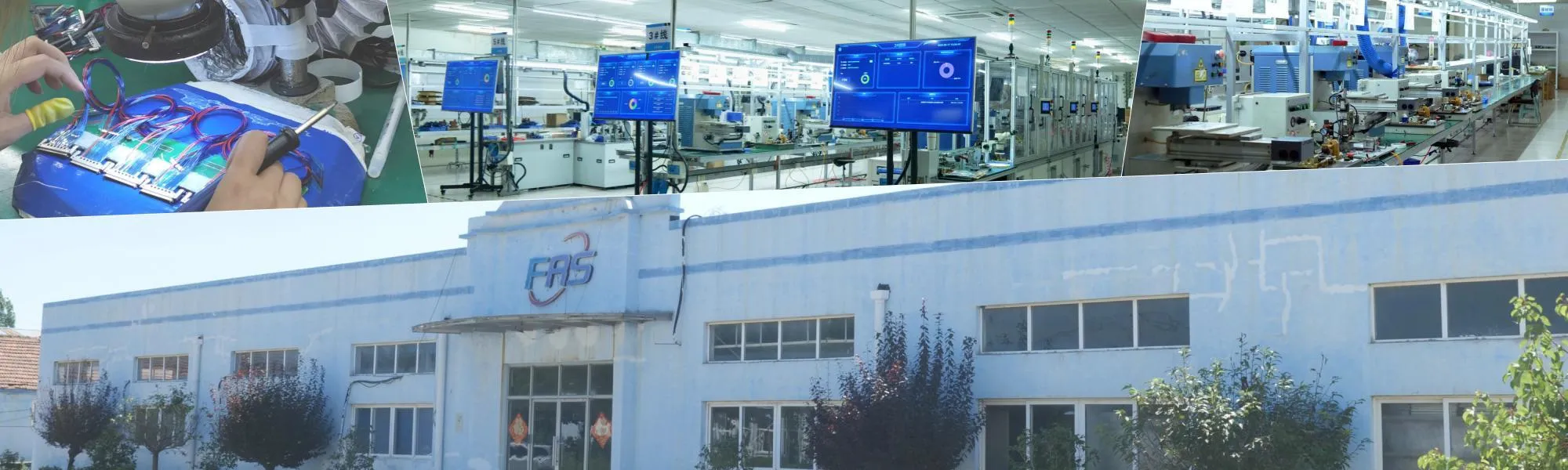
Micro Coaxial Cable factory-(FRS)
In the field of modern healthcare, medical imaging equipment stands as a cornerstone of accurate diagnosis and effective treatment. From X-ray machines that reveal bone fractures to high-resolution MRI scanners that map soft tissue structures, these devices rely on precise and reliable signal transmission to deliver clear, actionable images. At the heart of this signal transmission lies a critical component: coaxial cable assemblies. Coaxial cable assemblies for medical imaging equipment are not just ordinary cables; they are engineered to meet the stringent demands of healthcare environments, ensuring uncompromised performance, patient safety, and long-term durability. This article delves into the vital role of coaxial cable assemblies in medical imaging equipment, exploring their applications across different imaging modalities, key technical requirements, and why they are indispensable to the healthcare industry.
Medical imaging equipment operates by generating, transmitting, and processing complex electrical signals. Whether it is the high-frequency signals in ultrasound machines or the sensitive data streams in CT scanners, any loss, interference, or distortion in these signals can lead to inaccurate images, misdiagnosis, and potential risks to patients. Coaxial cable assemblies are designed to address these challenges by providing a shielded transmission path that minimizes signal degradation and electromagnetic interference (EMI). Unlike standard cables, coaxial cables consist of a central conductor, an insulating dielectric layer, a metallic shield, and an outer jacket. This layered structure acts as a barrier against external EMI from other medical devices, power lines, or electronic equipment in the healthcare facility, while also preventing the cable’s own signals from interfering with nearby devices. This electromagnetic compatibility (EMC) is crucial in medical settings, where multiple sophisticated instruments operate in close proximity.
Moreover, medical imaging procedures often require real-time signal transmission. For example, during a live fluoroscopy exam, doctors depend on instant, clear images to guide minimally invasive procedures. Coaxial cable assemblies with low signal latency ensure that the images are transmitted without delay, enabling healthcare providers to make timely decisions. Additionally, the high bandwidth capacity of coaxial cables supports the large volume of data generated by advanced imaging technologies, such as 3D MRI or 4K ultrasound. This bandwidth is essential for maintaining image resolution and detail, which are critical for detecting subtle abnormalities or early-stage diseases.
Coaxial cable assemblies are integral to a wide range of medical imaging equipment, each with unique requirements that the cables must meet. Below are some of the key modalities where these components play a pivotal role:
X-ray machines and fluoroscopes use high-voltage signals to generate X-ray beams and convert the transmitted or reflected beams into electrical signals for image formation. Coaxial cable assemblies in these devices are responsible for transmitting the control signals that regulate the X-ray tube’s voltage and current, as well as the image data from the detector to the processing unit. These cables must withstand high-voltage environments and maintain signal integrity to ensure accurate exposure control and image quality. For fluoroscopy, which involves continuous X-ray imaging, the cables must also handle prolonged signal transmission without overheating or signal loss, as any disruption could compromise the safety and effectiveness of the procedure.
CT scanners generate detailed cross-sectional images of the body by rotating an X-ray tube and detector array around the patient. The detector array produces millions of electrical signals per second, which need to be transmitted to the data acquisition system (DAS) with minimal noise. Coaxial cable assemblies in CT scanners are designed to handle high data rates and provide excellent shielding to prevent interference from the scanner’s rotating components and other nearby electronics. Additionally, since CT scanners operate at high speeds, the cables must be flexible enough to accommodate the rotating motion without fatigue or signal degradation over time. This flexibility, combined with high signal performance, ensures that CT images remain sharp and accurate, even during rapid scanning sequences.
MRI systems use strong magnetic fields and radiofrequency (RF) pulses to generate images of soft tissues. Coaxial cable assemblies in MRI equipment are critical for transmitting RF signals to and from the imaging coils (which emit and receive the RF pulses) and the RF amplifier. These cables must be non-magnetic to avoid interfering with the MRI’s strong magnetic field, as even small amounts of ferrous material can distort the magnetic field and degrade image quality. Additionally, MRI coaxial cables must have low RF loss to ensure that the weak signals received from the patient’s body are transmitted efficiently to the processing unit. The outer jacket of these cables is also designed to be compatible with MRI environments, often using materials that are resistant to chemical sterilization and easy to clean, as MRI rooms require strict hygiene standards.
Ultrasound machines use high-frequency sound waves to create images of internal organs and structures. The transducer (probe) of an ultrasound machine converts electrical signals into sound waves and vice versa. Coaxial cable assemblies connect the transducer to the ultrasound system’s signal processing unit, transmitting both the excitation signals to the transducer and the reflected sound wave signals back to the system. These cables must have low signal attenuation at high frequencies (typically 2–10 MHz for diagnostic ultrasound) to maintain the clarity of the ultrasound image. They also need to be flexible and lightweight, as ultrasound transducers are often moved around during exams, and heavy or stiff cables can hinder the operator’s maneuverability. Furthermore, ultrasound cables may need to be waterproof or water-resistant for use in obstetric or cardiac exams where the transducer is in contact with gel or fluids.
Given the critical role of coaxial cable assemblies in medical imaging, they must adhere to strict technical and regulatory standards. Below are the key requirements that these cables must meet:
Signal integrity is paramount in medical imaging, as any distortion can lead to misdiagnosis. Coaxial cables for medical imaging must have low insertion loss (signal loss as it travels through the cable), low return loss (reflection of signals back to the source), and controlled impedance (typically 50 ohms or 75 ohms, depending on the equipment). The dielectric material used in the cable plays a significant role in signal integrity; materials like PTFE (polytetrafluoroethylene) are often preferred for their low dielectric constant and stable performance across a wide temperature range.
As mentioned earlier, EMI is a major concern in healthcare environments. Medical imaging coaxial cables must have robust shielding to block external interference and prevent signal leakage. Common shielding options include braided shields (made of copper or aluminum), foil shields, or a combination of both (double shielding). Braided shields provide excellent flexibility and coverage, while foil shields offer better protection against high-frequency interference. For MRI systems, where EMI is particularly critical, cables may use specialized shielding materials that are non-magnetic and provide superior RF shielding.
Medical imaging equipment is often used continuously in high-stress environments, so coaxial cable assemblies must be durable enough to withstand repeated bending, twisting, and handling. The outer jacket material should be resistant to abrasion, chemicals (such as disinfectants), and temperature fluctuations. Additionally, the cable’s connectors (such as SMA, BNC, or TNC connectors) must be securely attached to prevent signal loss or intermittent connections. Many medical-grade coaxial cables also undergo rigorous testing, including flex life testing, temperature cycling, and chemical resistance testing, to ensure long-term reliability.
Cables that come into contact with patients or are used in sterile environments must be biocompatible, meaning they do not cause allergic reactions or toxic effects. The materials used in the cable’s jacket and insulation must comply with standards such as ISO 10993, which specifies biocompatibility requirements for medical devices. Additionally, coaxial cables for medical imaging must meet electrical safety standards, such as IEC 60601-1, to prevent electrical shock hazards to patients and healthcare providers.
The medical imaging industry is constantly evolving, with advancements in technology driving the demand for more advanced coaxial cable assemblies. One key trend is the shift toward higher-resolution imaging, which requires cables with greater bandwidth and lower signal loss. For example, the emergence of 7T MRI systems (which offer higher resolution than traditional 1.5T or 3T systems) demands coaxial cables that can handle higher RF frequencies and maintain signal integrity in extremely strong magnetic fields.
Another trend is the miniaturization of medical imaging equipment, particularly for portable or point-of-care devices such as handheld ultrasound probes or mobile X-ray machines. These compact devices require smaller, lighter coaxial cable assemblies that do not compromise on performance. Manufacturers are responding by developing micro-coaxial cables with smaller diameters and flexible conductors, while still maintaining robust shielding and signal integrity.
Additionally, the growing focus on infection control in healthcare has led to the development of coaxial cables with antimicrobial jackets. These jackets are treated with substances that inhibit the growth of bacteria, viruses, and fungi, reducing the risk of cross-contamination in healthcare settings. This is particularly important for cables used in operating rooms or other sterile environments.
When it comes to medical imaging coaxial cable assemblies, choosing a reliable and experienced manufacturer is crucial. FRS is a leading brand in the field of custom coaxial cable assemblies, with years of expertise in designing and producing high-performance cables for the medical industry. Our commitment to quality, innovation, and patient safety makes us the ideal partner for healthcare equipment manufacturers and providers.
At FRS, we understand the unique requirements of medical imaging equipment. Our coaxial cable assemblies are engineered to meet the strictest technical standards, including ISO 10993 biocompatibility, IEC 60601-1 electrical safety, and EMI shielding requirements for MRI, CT, and ultrasound systems. We use premium materials, such as PTFE dielectrics and non-magnetic shielding, to ensure superior signal integrity, durability, and compatibility with medical environments.
What sets FRS apart is our ability to provide custom solutions tailored to your specific needs. Whether you require miniaturized cables for portable imaging devices, high-bandwidth cables for 7T MRI systems, or antimicrobial cables for sterile environments, our team of engineers will work closely with you to design and manufacture cable assemblies that meet your exact specifications. We also offer rigorous testing and quality control processes, including signal performance testing, flex life testing, and environmental testing, to ensure that every cable leaving our factory meets the highest standards of quality and reliability.
In the fast-paced world of medical imaging, you need a partner that can keep up with technological advancements and deliver solutions that enhance patient care. FRS is dedicated to innovation, continuously investing in research and development to stay ahead of industry trends and provide our customers with the latest in coaxial cable technology. With FRS, you can trust that your medical imaging equipment is equipped with the best possible signal transmission components, ensuring accurate diagnoses, safe procedures, and optimal patient outcomes.
Our factory offers high-quality products at competitive prices
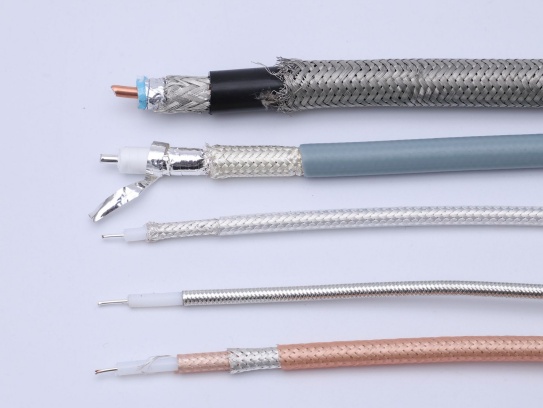
Meta Description: Discover premium RF micro coaxial cables engineered for high-frequency signal transmission in compact devices. Explore specs, applications, and benefits for telecom, medical, and aerospace industries. .
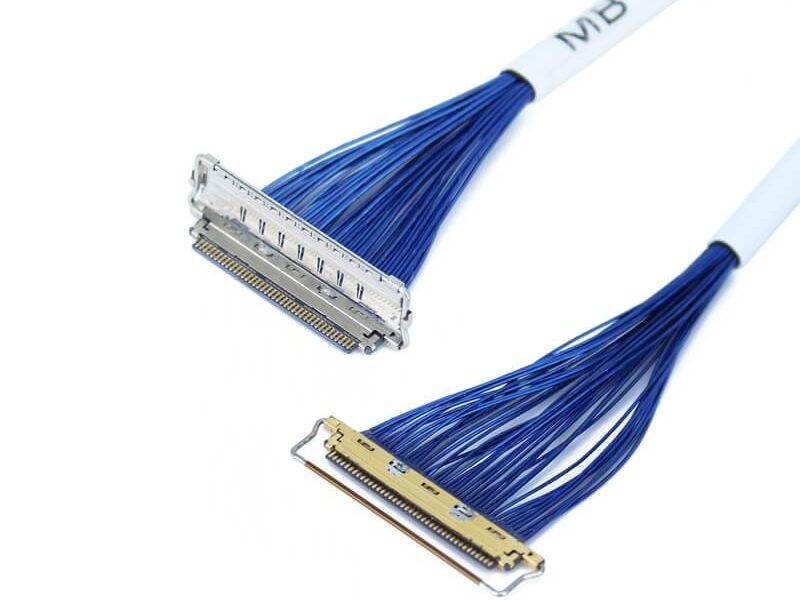
In LVDS (Low Voltage Differential Signaling) display systems, Micro-coaxial Cable (also referred to as Micro Coax Cable) stands out as an optimal solution for high-resolution, high-reliability signal transmission. Designed to meet the str.
Feel free to reach out to us for any inquiries or orders