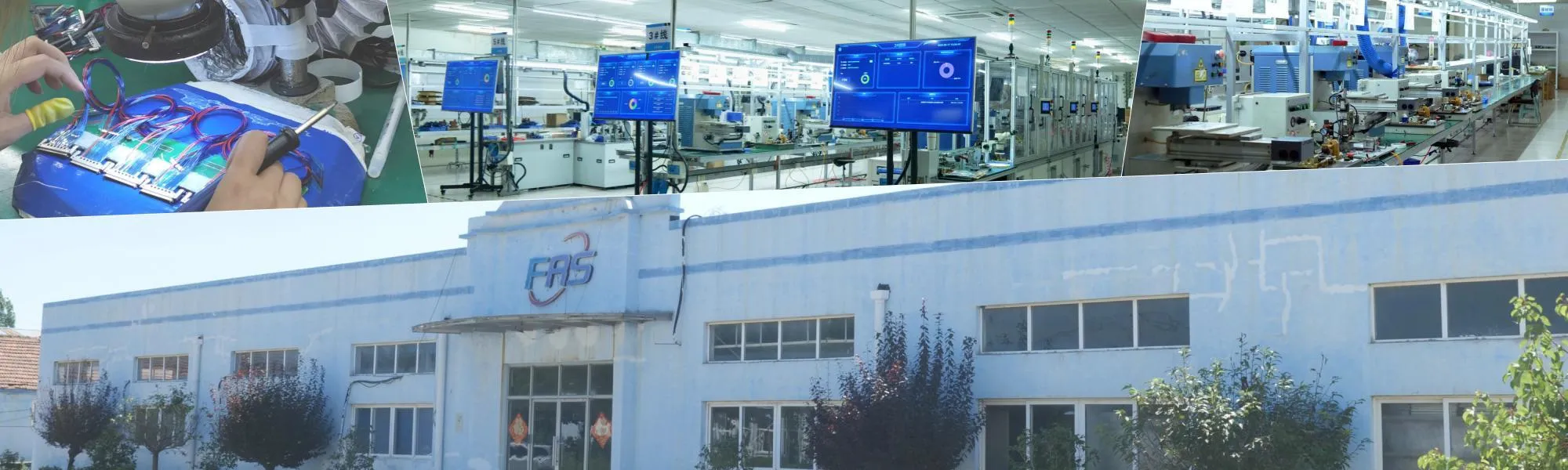
Micro Coaxial Cable factory-(FRS)
The question of whether coaxial cable assemblies can be used in high-pressure environments is a critical one for industries ranging from oil and gas to marine exploration, aerospace, and industrial manufacturing. The short answer is yes—but with specific design, material, and testing considerations tailored to the unique challenges of high-pressure environments. High-pressure environments, which typically refer to settings where pressure exceeds standard atmospheric pressure (14.7 psi or 1 bar) by significant margins, demand components that can maintain structural integrity, electrical performance, and reliability under extreme force. In this article, we will explore the feasibility of coaxial cable assemblies in such environments, the key factors that determine their suitability, real-world applications, and why choosing the right manufacturer is essential for success.
High-pressure environments vary widely across industries, each presenting distinct challenges. For example, deep-sea exploration can expose equipment to pressures of up to 16,000 psi (over 1,100 bar) at depths of 36,000 feet, while oil and gas downhole operations may encounter pressures exceeding 10,000 psi (690 bar) alongside high temperatures. Industrial applications such as pressure vessels, hydraulic systems, and high-pressure testing chambers also operate under elevated pressure conditions, often combined with factors like vibration, chemical exposure, or mechanical stress.
In these settings, standard coaxial cable assemblies—designed for ambient pressure—can fail catastrophically. Common issues include cable jacket or insulation compression, which degrades electrical performance (such as signal loss or impedance mismatch); connector leakage, which allows moisture, chemicals, or pressure to penetrate and damage internal components; and structural breakdown of the cable’s shielding, leading to electromagnetic interference (EMI) that disrupts signal transmission. To overcome these challenges, coaxial cable assemblies for high-pressure environments must be engineered with precision and rigor.
The choice of materials is the first and most crucial step in designing coaxial cable assemblies for high-pressure use. Each component—from the inner conductor to the outer jacket—must be selected for its ability to withstand compression, resist chemical attack, and maintain mechanical stability under extreme pressure.
Inner and outer conductors: Typically made from high-conductivity metals like copper or copper-clad steel, but may be reinforced with materials such as stainless steel for added strength in high-pressure applications. The conductor’s diameter and stranding (if applicable) are also optimized to prevent deformation under pressure, which could alter the cable’s impedance (a critical parameter for signal integrity).
Dielectric insulation: The dielectric material, which separates the inner and outer conductors, is particularly vulnerable to pressure-induced compression. Materials like PTFE (polytetrafluoroethylene), FEP (fluorinated ethylene propylene), or PEEK (polyether ether ketone) are preferred for their low compressibility, high temperature resistance, and chemical inertness. These materials maintain their physical properties even under thousands of psi, ensuring consistent impedance and minimal signal loss.
Shielding: To protect against EMI and maintain structural integrity, high-pressure coaxial cables often feature multiple shielding layers, such as braided copper or aluminum combined with a foil shield. The shielding must be tightly bonded to the dielectric and jacket to prevent separation under pressure, which could create gaps for interference or moisture ingress.
Jacket and outer covering: The outer jacket acts as the first line of defense against pressure, chemicals, and abrasion. Materials like polyurethane, ETFE (ethylene tetrafluoroethylene), or stainless steel sheathing are used for their durability and resistance to compression. In extreme cases, such as deep-sea applications, the cable may be encased in a metal armor layer to withstand crushing forces.
Connectors are often the weak point in coaxial cable assemblies for high-pressure environments, as they must provide a secure, leak-tight seal while maintaining electrical continuity. Standard connectors (such as SMA or BNC) are not designed for high pressure and will leak or fail under elevated force. Instead, specialized high-pressure connectors are used, featuring:
The cable-to-connector interface is also critical. Proper crimping, soldering, or bonding techniques are used to ensure a secure mechanical and electrical connection that does not degrade under pressure. In some cases, potting compounds (such as epoxy resins) are applied to the interface to further enhance sealing and structural stability.
Even if a coaxial cable assembly maintains structural integrity in high-pressure environments, its electrical performance must remain consistent to be useful. Key parameters to monitor include:
Coaxial cable assemblies for high-pressure environments cannot be trusted to perform without rigorous testing. Manufacturers subject these assemblies to a range of tests to simulate real-world conditions, including:
Many industries also require compliance with specific standards, such as API (American Petroleum Institute) for oil and gas, IEEE (Institute of Electrical and Electronics Engineers) for aerospace, or IEC (International Electrotechnical Commission) for industrial applications. Certification to these standards provides additional assurance of quality and reliability.
The demand for high-pressure coaxial cable assemblies spans numerous industries, each with unique requirements. Here are some key applications:
Downhole drilling tools, such as logging-while-drilling (LWD) and measurement-while-drilling (MWD) systems, rely on coaxial cable assemblies to transmit real-time data (temperature, pressure, formation characteristics) from deep within the earth to the surface. These assemblies must withstand pressures up to 20,000 psi and temperatures exceeding 350°F, as well as exposure to corrosive fluids like drilling mud. High-pressure coaxial cables ensure that critical data is transmitted accurately, enabling operators to make informed decisions about well placement and production.
Deep-sea exploration vehicles, remotely operated vehicles (ROVs), and underwater sensors use coaxial cable assemblies to transmit video, sonar, and data signals from depths of thousands of feet. These assemblies must resist crushing pressures, saltwater corrosion, and extreme cold. For example, ROVs used in offshore oil rig maintenance rely on high-pressure coaxial cables to send high-definition video feeds to operators on the surface, allowing them to inspect equipment and perform repairs safely.
Aerospace applications, such as aircraft engines and spacecraft propulsion systems, involve high-pressure fuel lines, hydraulic systems, and environmental control systems. Coaxial cable assemblies are used to monitor pressure, temperature, and flow rates in these systems, often in confined spaces with high vibration. In defense applications, such as submarines or high-pressure weapon systems, these assemblies must maintain signal integrity under extreme pressure and harsh conditions to ensure mission success.
High-pressure testing chambers, used to test the durability of components like valves, pipes, and pressure vessels, rely on coaxial cable assemblies to transmit data from sensors inside the chamber. These assemblies must withstand the same high pressures as the components being tested, ensuring accurate and reliable data collection. Additionally, in industries like automotive manufacturing, high-pressure hydraulic systems use coaxial cables to monitor performance and detect leaks.
When it comes to coaxial cable assemblies for high-pressure environments, quality, precision, and reliability are non-negotiable. FRS, a leading manufacturer of custom cable assemblies, has decades of experience engineering solutions for the most demanding high-pressure applications across oil and gas, marine, aerospace, and industrial sectors. Our commitment to excellence is evident in every step of our manufacturing process.
At FRS, we start with material selection—only the highest-grade PTFE, PEEK, stainless steel, and high-performance elastomers make it into our high-pressure assemblies. Our engineering team works closely with customers to design custom solutions tailored to their specific pressure, temperature, and performance requirements, using advanced 3D modeling and simulation tools to optimize cable and connector design before production. We also employ state-of-the-art manufacturing techniques, including precision crimping, laser welding, and potting, to ensure secure, leak-tight connections that stand up to extreme pressure.
Testing is at the core of our quality assurance. FRS maintains in-house pressure chambers, temperature cycling equipment, and electrical testing labs to subject every high-pressure coaxial cable assembly to rigorous testing beyond industry standards. We don’t just meet your specifications—we exceed them, providing you with the confidence that your assemblies will perform reliably in even the harshest environments.
Whether you need a custom assembly for a deep-sea ROV, a downhole drilling tool, or a high-pressure industrial system, FRS has the expertise, technology, and dedication to deliver solutions that work. Our team of engineers and technicians is committed to providing responsive customer support, from initial design consultation to post-delivery technical assistance. When you choose FRS, you’re not just buying a cable assembly—you’re partnering with a manufacturer that prioritizes your success and the reliability of your critical systems.
For coaxial cable assemblies that excel in high-pressure environments, look no further than FRS. Contact us today to learn how we can design a custom solution for your application.
Our factory offers high-quality products at competitive prices
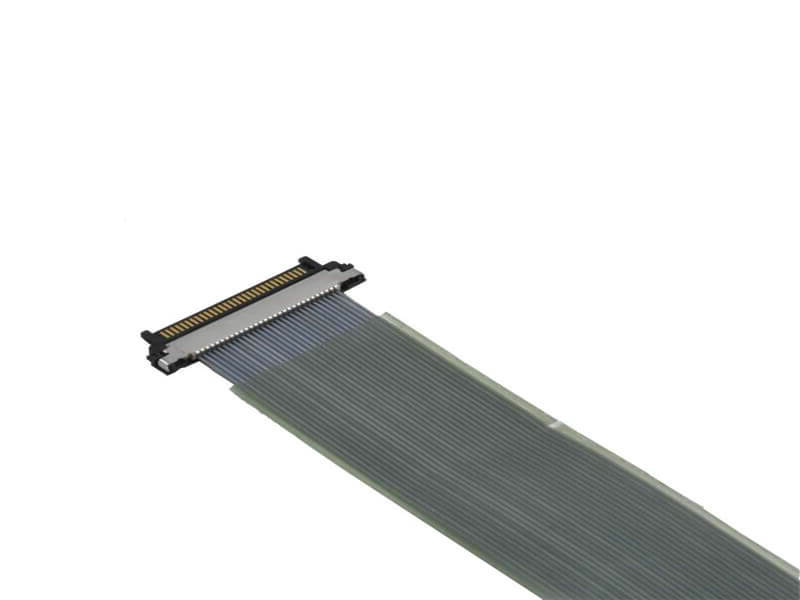
KEL’s Micro Coaxial Cable solutions are at the forefront of modern electronic connectivity, offering exceptional performance in high-speed data transmission, miniaturization, and reliability. These connectors are integral to various.
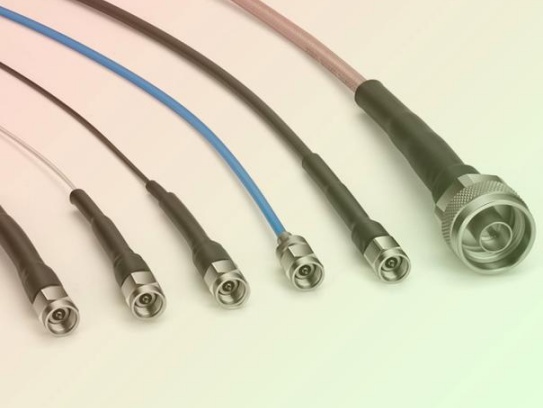
H1: Precision Instrument Micro-Coax – Engineered for Critical Signal Integrity Meta Description: Discover Precision Instrument Micro-Coax: Miniature coaxial cable solution optimized for high-frequency signal transmissio.
Feel free to reach out to us for any inquiries or orders