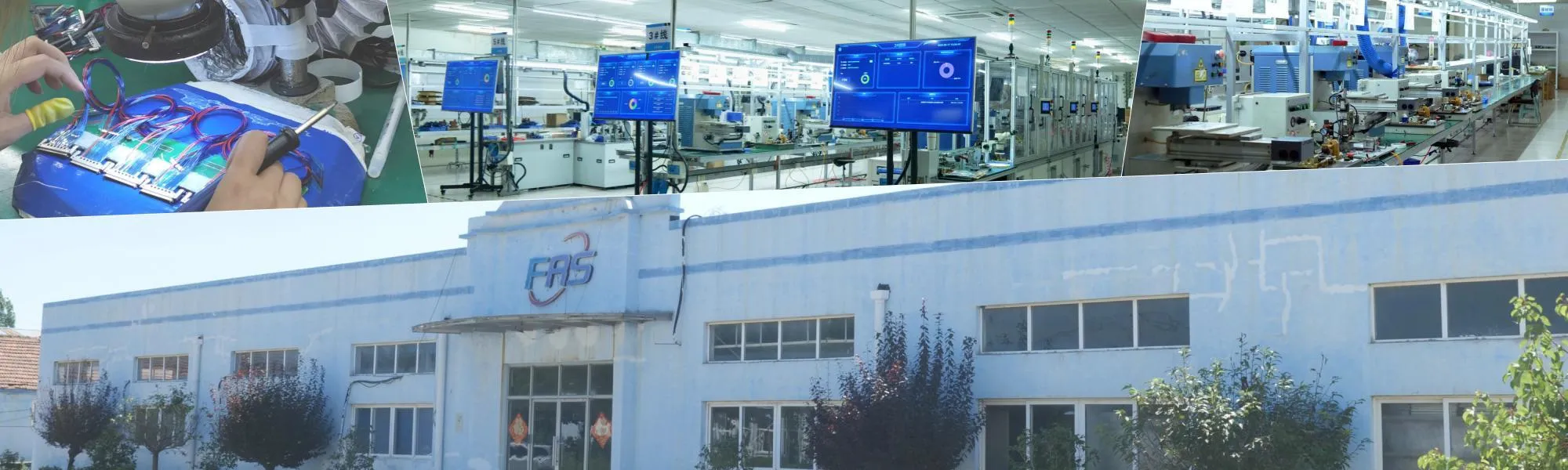
Micro Coaxial Cable factory-(FRS)
As 5G networks continue to expand globally, the demand for reliable, high-performance Distributed Antenna Systems (DAS) has never been greater. DAS plays a critical role in extending 5G coverage, improving signal quality, and supporting the massive data throughput required by modern applications—from autonomous vehicles to IoT devices. At the heart of an efficient 5G DAS lies the choice of transmission cables, and micro-coaxial cables have emerged as a game-changing solution, addressing key challenges that traditional cables struggle to overcome.
5G operates on higher frequency bands (including sub-6 GHz and mmWave), which offer greater bandwidth but are more susceptible to signal attenuation and interference. Unlike macro cell towers, DAS deployments are often in dense urban environments, indoor spaces (such as stadiums, airports, and office buildings), or hard-to-reach areas where space is limited. This presents unique requirements for cables: low signal loss, compact size, flexibility, and resistance to environmental factors like moisture and temperature fluctuations. Traditional coaxial cables, while reliable for lower frequencies, may be too bulky for tight installations or insufficiently efficient at 5G’s high frequencies. Micro-coaxial cables, however, are engineered to meet these exact demands.
Micro-coaxial cables, defined by their small diameter (typically ranging from 0.8mm to 2.5mm), combine performance and practicality to optimize 5G DAS operations. Here are their standout benefits:
Micro-coaxial cables are integral to various 5G DAS architectures, including passive DAS, active DAS, and hybrid DAS. In passive DAS, they distribute signals from a single source to multiple antennas, leveraging their low loss to cover larger areas without signal degradation. In active DAS, which uses amplifiers and remote radio units (RRUs), micro-coaxial cables connect RRUs to antennas, ensuring efficient signal transfer in space-constrained locations like shopping malls or subway stations. Additionally, in mmWave DAS deployments—where signal range is shorter—micro-coaxial cables enable dense antenna spacing, ensuring seamless coverage for high-speed 5G services.
When selecting micro-coaxial cables for 5G DAS, factors such as impedance (typically 50 ohms for RF applications), frequency range, power handling capacity, and environmental ratings should be prioritized. It’s also essential to partner with a manufacturer that adheres to strict quality standards, as even minor variations in cable construction can impact performance. Look for cables that undergo rigorous testing for signal loss, shielding effectiveness, and mechanical durability to ensure long-term reliability in 5G networks.
For 5G DAS deployments that demand uncompromising performance and reliability, FRS brand factory stands as a trusted partner. With years of expertise in manufacturing high-quality micro-coaxial cables, FRS engineers its products to meet the unique challenges of 5G—from low attenuation at mmWave frequencies to compact, flexible designs for tight installations. Each cable undergoes strict quality control, ensuring consistency and durability across every batch. Whether you’re building a DAS for a busy airport, a smart city, or an indoor venue, FRS micro-coaxial cables deliver the performance you need to keep 5G signals strong and connected. Choose FRS, and power your 5G DAS with cables built for the future.
Our factory offers high-quality products at competitive prices
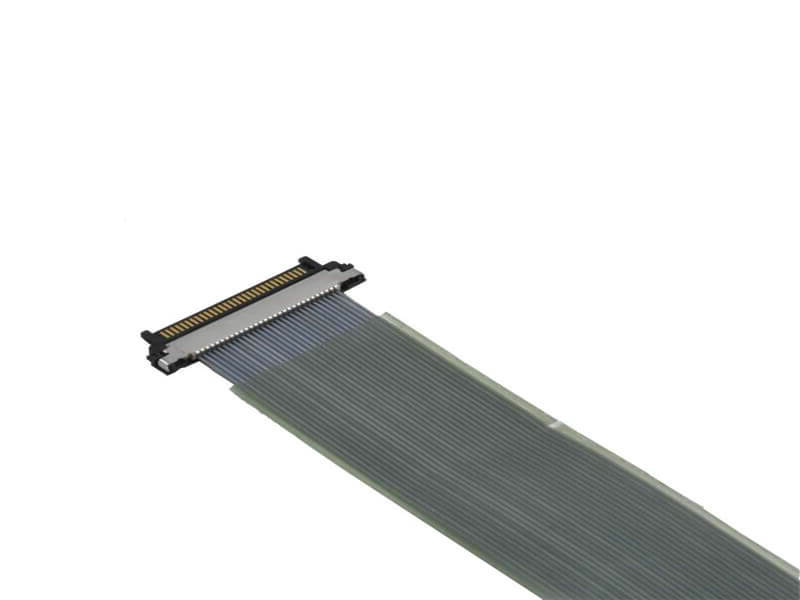
KEL’s Micro Coaxial Cable solutions are at the forefront of modern electronic connectivity, offering exceptional performance in high-speed data transmission, miniaturization, and reliability. These connectors are integral to various.
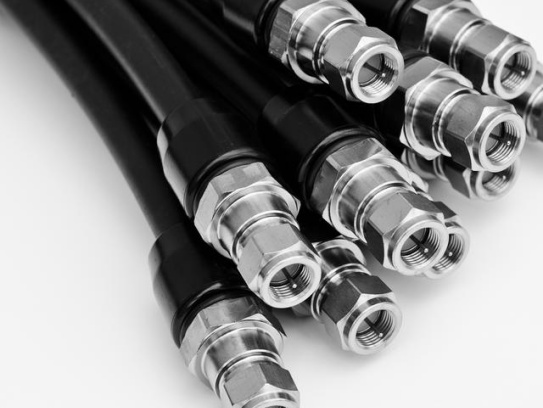
Meta Description: Discover the advanced features and benefits of Industrial Micro-Coaxial Wiring—engineered for precision, durability, and high-speed signal transmission in industrial environments. What is Industrial Micro-Co.
Feel free to reach out to us for any inquiries or orders