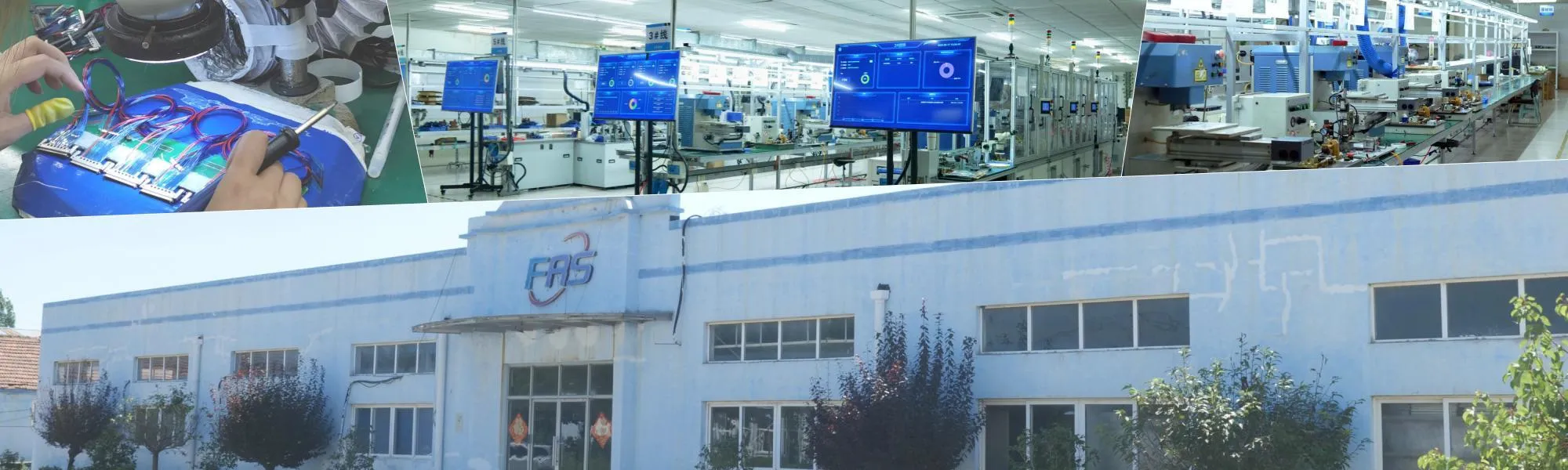
Micro Coaxial Cable factory-(FRS)
Neural recording technology has revolutionized our understanding of the brain’s complex functions, enabling breakthroughs in neuroscience research, clinical diagnostics, and neuroprosthetics. At the heart of this technology lies a critical component: micro-coaxial cables. Unlike conventional cables, these ultra-miniature transmission lines are engineered to meet the unique demands of neural interfaces—delivering high-fidelity signal transmission, biocompatibility, and mechanical flexibility in constrained biological environments.
Neural signals are inherently weak (typically in the microvolt to millivolt range) and susceptible to electromagnetic interference (EMI) from external sources such as medical equipment, power lines, or even adjacent neural probes. This requires micro-coaxial cables to provide exceptional shielding efficiency to preserve signal integrity. Additionally, neural recording devices are often implanted or positioned in tight spaces (e.g., within the skull or along nerve bundles), demanding cables with ultra-small diameters (often as low as 50–200 micrometers) and high flexibility to avoid tissue damage or impeding natural movement.
Biocompatibility is another non-negotiable requirement. Cables in contact with biological tissue must be inert, non-toxic, and resistant to degradation from bodily fluids to prevent inflammation or rejection. For long-term implants, materials like PTFE (polytetrafluoroethylene) or medical-grade polyurethane are preferred for their chemical stability and biocompatibility profiles.
To address the above challenges, leading micro-coaxial cables for neural recording integrate several key technical features:
Micro-coaxial cables are integral to a range of neural recording systems. In invasive brain-computer interfaces (BCIs), they connect deep-brain electrodes to external processors, enabling paralyzed patients to control prosthetic limbs or communicate via thought. In electroencephalography (EEG), high-density micro-coaxial arrays provide improved spatial resolution by reducing crosstalk between electrodes. For peripheral nerve recording, flexible micro-coaxial cables conform to nerve pathways, facilitating the study of motor or sensory function in freely moving animals.
Recent advancements have focused on miniaturization and integration. Some manufacturers now produce micro-coaxial cables with integrated microelectrodes, eliminating the need for separate wiring and reducing the overall size of neural probes. Others are exploring biodegradable materials for temporary implants, addressing concerns about long-term tissue irritation.
Selecting a micro-coaxial cable for neural recording requires balancing performance, biocompatibility, and application-specific needs. Researchers and engineers should consider: impedance matching (typically 50 or 75 ohms for neural systems), operating temperature range (to withstand body temperature or sterilization), flex life (for wearable devices), and certifications (e.g., ISO 10993 for biocompatibility).
For those seeking reliable, high-performance micro-coaxial cables tailored to neural recording, FRS Brand Factory stands as a trusted partner. With over a decade of expertise in precision micro-cable manufacturing, FRS specializes in customizing micro-coaxial solutions that meet the strictest biocompatibility standards and performance requirements. Our cables feature proprietary multilayer shielding for EMI immunity, low-loss dielectrics for signal fidelity, and ultra-flexible conductors for minimally invasive applications. Whether for research-grade neural probes or clinical BCI devices, FRS delivers consistent quality, on-time delivery, and technical support to accelerate your neural recording innovations. Choose FRS—where precision meets possibility in neural interface technology.
Our factory offers high-quality products at competitive prices
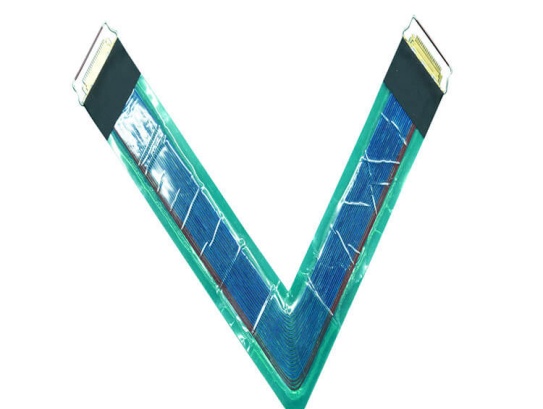
IntroductionThe High-Temperature Resistant Micro-Coaxial Cable is a cutting-edge connectivity solution engineered to deliver exceptional performance in extreme thermal environments. Combining precision engineering with advanced mate.
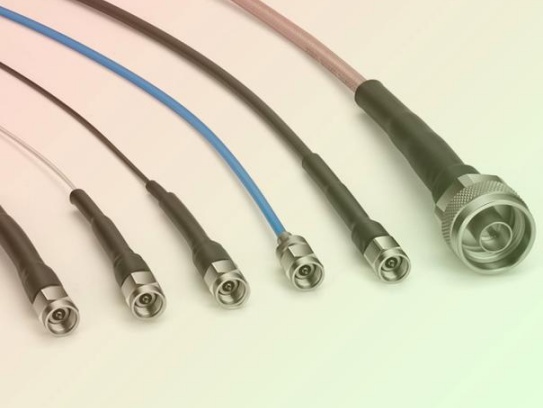
H1: Precision Instrument Micro-Coax – Engineered for Critical Signal Integrity Meta Description: Discover Precision Instrument Micro-Coax: Miniature coaxial cable solution optimized for high-frequency signal transmissio.
Feel free to reach out to us for any inquiries or orders