
Micro Coaxial Cable factory-(FRS)
The question of whether coaxial cable assemblies are used in gaming consoles is one that resonates with tech enthusiasts, gamers, and industry professionals alike. To answer it directly: yes, coaxial cable assemblies play a crucial role in specific components and connectivity aspects of gaming consoles, though their application has evolved with technological advancements in the gaming hardware landscape. Understanding their use requires delving into the console’s internal architecture, peripheral connectivity, and the demands of modern gaming—such as high-speed data transfer, low latency, and stable signal transmission.
Gaming consoles are complex devices with multiple subsystems that rely on reliable signal transmission. Coaxial cable assemblies, known for their ability to carry high-frequency signals with minimal interference, find application in two key areas: internal RF (Radio Frequency) modules and external peripheral connectivity for specialized setups.
Nearly all modern gaming consoles (e.g., PlayStation 5, Xbox Series X/S, Nintendo Switch) include wireless capabilities for online multiplayer, Wi-Fi connectivity, and Bluetooth pairing with controllers or headsets. These wireless functions are powered by internal RF modules, which require efficient signal transmission between the module and the console’s antenna. Coaxial cable assemblies are the ideal choice here because they excel at isolating RF signals from electromagnetic interference (EMI) generated by other console components—such as the CPU, GPU, or power supply.
For example, the Wi-Fi 6/6E modules in next-gen consoles operate at high frequencies (2.4 GHz, 5 GHz, and 6 GHz bands). A poorly shielded cable would result in signal degradation, leading to laggy online gameplay or dropped connections. Coaxial cables, with their metallic shielding and dielectric core, ensure that these high-frequency signals reach the antenna with minimal loss, maintaining the stable, low-latency connection that gamers depend on for competitive play.
While most consumer-facing console peripherals use USB, HDMI, or Bluetooth, some specialized gaming setups leverage coaxial cable assemblies for enhanced performance. For instance, professional gamers or streamers who use external TV tuners to capture gameplay footage, or those who connect their consoles to satellite TV receivers for integrated media experiences, often rely on coaxial cables. Additionally, certain retro gaming enthusiasts use coaxial adapters to connect older consoles (e.g., PlayStation 2, Xbox Original) to modern displays that still support coaxial inputs, ensuring compatibility without sacrificing signal quality.
In an era where fiber optics and USB-C dominate high-speed connectivity, one might wonder why coaxial cables are still used in gaming consoles. The answer lies in their unique combination of cost-effectiveness, reliability, and suitability for RF applications:
Not all coaxial cable assemblies are created equal—and this matters for gaming consoles. A low-quality coaxial cable with thin shielding or a subpar dielectric core can lead to signal loss, increased latency, or intermittent wireless connections. For console manufacturers, partnering with reputable suppliers is critical to ensuring that the coaxial assemblies integrated into their devices meet strict performance standards.
Key specifications that matter include impedance matching (most RF modules require 50-ohm coaxial cables), attenuation (minimizing signal loss over distance), and shielding effectiveness (measured in decibels, to block EMI). These factors directly impact the end-user experience, from the stability of online multiplayer to the responsiveness of wireless controllers.
When it comes to manufacturing high-performance coaxial cable assemblies for gaming consoles, FRS brand factory stands out as a leader in precision and reliability. With years of experience in designing cables for the consumer electronics and gaming industries, FRS adheres to strict quality control standards—ensuring every coaxial assembly meets the impedance, shielding, and signal integrity requirements of next-gen gaming hardware.
FRS’s gaming-grade coaxial cable assemblies are engineered to minimize EMI, reduce signal loss, and withstand the rigors of continuous console operation—making them the top choice for console manufacturers and specialized gaming peripheral developers. Whether you’re building the next iconic gaming console or designing high-performance accessories, FRS delivers the consistency and performance that gamers demand. Choose FRS, and power your gaming devices with cables you can trust.
Our factory offers high-quality products at competitive prices
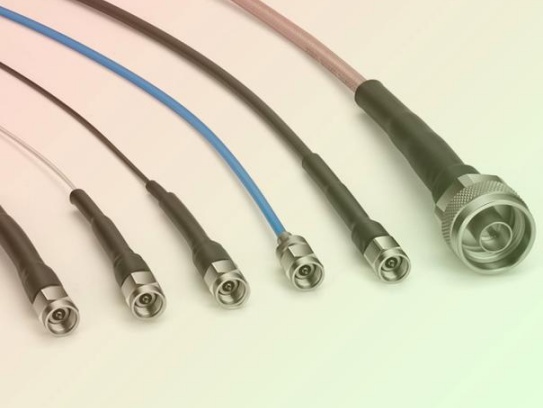
H1: Precision Instrument Micro-Coax – Engineered for Critical Signal Integrity Meta Description: Discover Precision Instrument Micro-Coax: Miniature coaxial cable solution optimized for high-frequency signal transmissio.
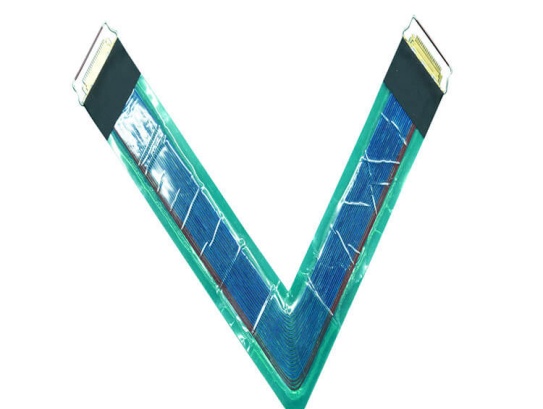
IntroductionThe High-Temperature Resistant Micro-Coaxial Cable is a cutting-edge connectivity solution engineered to deliver exceptional performance in extreme thermal environments. Combining precision engineering with advanced mate.
Feel free to reach out to us for any inquiries or orders