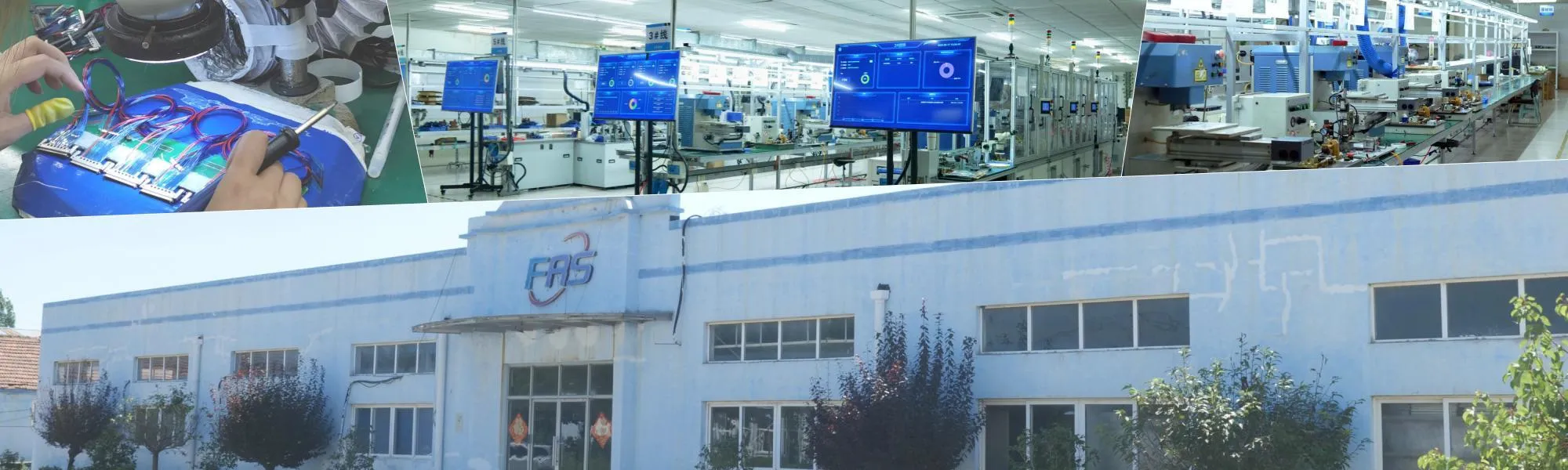
Micro Coaxial Cable factory-(FRS)
Laboratory equipment, such as spectrum analyzers, signal generators, and network analyzers, relies heavily on precise signal transmission to ensure accurate test results. Coaxial cable assemblies serve as the critical link in this process, and selecting the right one is not just a matter of compatibility but directly impacts the reliability, accuracy, and efficiency of experimental data. Unlike industrial or consumer-grade applications, laboratory environments demand stricter performance standards, making the selection process more nuanced. This article will break down the key considerations, common pitfalls, and step-by-step guidelines to help you choose the optimal coaxial cable assemblies for your laboratory equipment.
Laboratory equipment often operates in complex signal environments, where even minor signal loss or interference can invalidate test outcomes. Before selecting a coaxial cable assembly, you must first define the non-negotiable performance parameters based on your specific application:
The frequency range of the cable assembly must match or exceed the operating frequency of your laboratory equipment. Different cables are designed for different frequency bands: for example, RG-58 cables are suitable for low-frequency applications up to 1 GHz, while RG-405 or semi-rigid cables can handle frequencies above 40 GHz. Using a cable with a frequency range below your equipment’s requirements will result in severe signal attenuation and distortion. For high-frequency applications like microwave testing, consider cables with low dielectric loss materials such as PTFE (polytetrafluoroethylene).
Signal integrity is paramount in laboratories. Focus on three key metrics: Insertion Loss, Return Loss, and VSWR (Voltage Standing Wave Ratio). Insertion loss refers to the signal power lost as it travels through the cable—lower insertion loss is better for maintaining signal strength over distance. Return loss measures the amount of signal reflected back to the source, with higher values (in dB) indicating less reflection. VSWR, ideally close to 1:1, quantifies how well the cable impedance matches the equipment impedance (typically 50 Ω or 75 Ω in laboratories). A VSWR above 1.5:1 can cause signal degradation and measurement errors.
Laboratory environments are often filled with electromagnetic interference (EMI) from nearby equipment, power lines, or radio frequency (RF) sources. Coaxial cable assemblies with robust shielding can prevent EMI from entering the cable (external interference) and leaking out (internal interference). Look for cables with multiple shielding layers, such as braided shields (high flexibility) combined with foil shields (better coverage). For sensitive applications like atomic force microscopy or spectroscopy, consider double-braided or semi-rigid cables with 95%+ shielding coverage.
Laboratory conditions can vary, and the cable assembly must withstand the physical and environmental challenges of your workspace:
If your laboratory operates in extreme temperatures (e.g., cryogenic chambers or high-temperature ovens) or high humidity (e.g., biological labs), select cables with insulation and jacket materials that can tolerate these conditions. PTFE jackets are resistant to temperatures ranging from -200°C to 260°C, while PVC jackets are only suitable for -10°C to 70°C. Moisture-resistant cables are essential in humid environments to prevent signal degradation and cable damage.
Cables in laboratories are often moved, bent, or connected/disconnected frequently. Flexible cables (e.g., those with stranded inner conductors) are ideal for applications requiring frequent repositioning, such as benchtop testing. However, if the cable is in a fixed position (e.g., between a rack-mounted analyzer and a test fixture), semi-rigid or rigid cables may offer better signal stability. Additionally, check the cable’s bend radius—exceeding the minimum bend radius can damage the inner conductor and shielding, leading to performance issues.
The connectors on the cable assembly must match the ports of your laboratory equipment. Common laboratory connectors include SMA, N-type, BNC, TNC, and 2.92 mm (for high frequencies). Ensure the connectors are precision-machined to maintain impedance matching and low insertion loss. Poor-quality connectors can introduce signal reflections and are prone to wear, especially with frequent mating cycles. Look for connectors with gold plating, which provides better conductivity and corrosion resistance compared to nickel plating.
Many laboratory technicians make avoidable mistakes when choosing coaxial cable assemblies, leading to compromised test results. Here are three key pitfalls to steer clear of:
To streamline the selection process, follow these four steps:
When it comes to selecting coaxial cable assemblies for laboratory equipment, FRS Brand Factory stands out as a reliable and innovative provider. With years of experience in designing and manufacturing high-performance RF and microwave components, FRS understands the stringent demands of laboratory environments.
FRS coaxial cable assemblies are engineered to deliver exceptional signal integrity, with frequency ranges covering from DC to 67 GHz and VSWR as low as 1.1:1. Our cables feature multi-layer shielding (braided + foil) for 99%+ EMI protection, and insulation materials like PTFE for superior temperature and chemical resistance. We offer a wide range of connector options (SMA, N-type, BNC, 2.92 mm, etc.) with precision gold plating, ensuring secure and consistent connections even with frequent mating.
Every FRS cable assembly undergoes rigorous testing—including insertion loss, return loss, and shielding effectiveness—before leaving the factory, guaranteeing traceable performance and reliability. Whether you need flexible cables for benchtop testing or semi-rigid cables for high-frequency applications, FRS can customize solutions to meet your unique laboratory needs. Trust FRS to be your partner in achieving accurate, repeatable, and efficient test results.
Our factory offers high-quality products at competitive prices
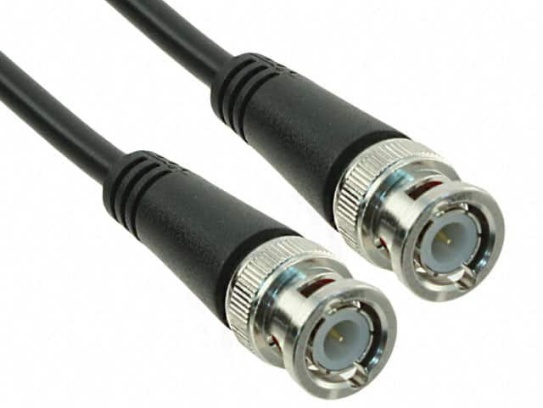
IntroductionIn today’s fast-paced digital world, reliable and high-speed data transmission is critical for industries ranging from telecommunications to aerospace. Enter High-Speed Data Micro-Coax—a cutting-edge miniature coaxial cable e.
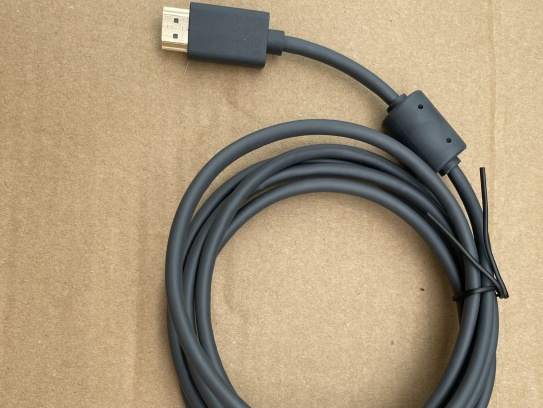
OverviewMicro-Coax for HD Video is a cutting-edge coaxial cable engineered to deliver uncompromised high-definition video quality across professional and industrial applications. Designed for reliability, precision, and versatility,.
Feel free to reach out to us for any inquiries or orders