
Micro Coaxial Cable factory-(FRS)
Coaxial cable assemblies are essential components in countless electronic and communication systems, serving as the backbone for transmitting high-frequency signals with minimal interference. From consumer electronics to industrial machinery and telecommunications infrastructure, the performance of these assemblies is heavily influenced by several factors, and one of the most critical yet often overlooked is their length. Choosing the right length of coaxial cable assembly is not a one-size-fits-all decision; it depends on the specific application, signal frequency, power requirements, and environmental constraints. In this comprehensive guide, we will explore the common lengths of coaxial cable assemblies available on the market, their typical use cases, and the key considerations to keep in mind when selecting the appropriate length for your project.
Before diving into the common lengths, it’s important to understand why length is such a crucial factor. Coaxial cables, by design, have a characteristic impedance (usually 50 ohms or 75 ohms, depending on the application) that must be maintained to ensure efficient signal transmission. As the length of the cable increases, so does the signal loss (known as insertion loss), which can degrade the quality of the transmitted signal—especially at higher frequencies. Additionally, longer cables may introduce more phase shift, which can be problematic in applications where signal timing is critical, such as radar systems or precision measurement equipment. On the other hand, using a cable that is longer than necessary can lead to unnecessary costs, increased weight, and reduced flexibility in installation. Conversely, a cable that is too short may not reach between components, requiring splicing or extension, which can introduce additional signal loss and points of failure. Therefore, selecting the optimal length is a balance between functionality, performance, and cost.
Coaxial cable assemblies are available in a wide range of standard lengths to accommodate diverse applications. Below are the most common lengths, along with their typical uses and the reasons why they are preferred in those scenarios.
Short-length coaxial cable assemblies, ranging from 0.1 meters (10 centimeters) to 1 meter, are among the most widely used due to their versatility in compact electronic systems. These lengths are ideal for connecting components that are closely mounted together, such as within a device chassis, rack, or enclosure.
Key Applications:
Advantages: Minimal signal loss, low phase shift, compact size, easy installation in tight spaces, and cost-effectiveness for short-range connections.
Medium-length coaxial cable assemblies, spanning from 1 meter to 10 meters, are designed for applications where components are separated by a moderate distance but still require reliable signal transmission without excessive loss. These lengths strike a balance between reach and performance, making them suitable for both indoor and outdoor use (when properly shielded and weatherproofed).
Key Applications:
Advantages: Versatile reach for most indoor/outdoor applications, manageable signal loss at moderate frequencies, and compatibility with a wide range of connectors (e.g., BNC, SMA, F-type).
Long-length coaxial cable assemblies, from 10 meters to 50 meters, are intended for applications that require signal transmission over longer distances, such as between buildings, across large industrial facilities, or in outdoor communication systems. These cables are typically constructed with lower loss materials (e.g., thicker copper conductors, high-quality dielectric materials) to mitigate signal degradation over extended lengths.
Key Applications:
Advantages: Extended reach for long-distance applications, designed with low-loss materials to maintain signal integrity, and available in weatherproof versions for outdoor use.
Extra-long coaxial cable assemblies, exceeding 50 meters, are specialized solutions for applications that demand signal transmission over very long distances. These are less common than shorter lengths but are critical in specific industries where large-scale coverage is required. Due to the increased signal loss over such lengths, these cables often incorporate additional features like signal boosters, repeaters, or low-loss dielectric materials (e.g., foam polyethylene or Teflon) to ensure acceptable performance.
Key Applications:
Advantages: Ability to cover very long distances, high-power handling capabilities (in specialized versions), and compatibility with signal enhancement devices to maintain performance.
While standard lengths cover most applications, there are many scenarios where a custom-length coaxial cable assembly is necessary. For example, in unique industrial machinery, aerospace systems, or medical equipment, the distance between components may not align with standard lengths. Custom assemblies allow engineers to specify the exact length required, ensuring a perfect fit, minimal signal loss, and optimal performance. Customization also extends to other aspects, such as connector type, shielding level, jacket material (e.g., flame-retardant, chemical-resistant), and impedance, making them ideal for highly specialized applications where off-the-shelf solutions fall short.
Selecting the right length of coaxial cable assembly requires more than just matching the distance between components. Here are some critical factors to consider:
When it comes to sourcing high-quality coaxial cable assemblies in the common lengths you need—or custom lengths tailored to your unique requirements—FRS stands out as a leading manufacturer with a reputation for excellence. With years of experience in the industry, FRS understands the critical role that cable length plays in signal performance, and we are committed to delivering solutions that meet the highest standards of quality, reliability, and precision.
At FRS, we offer a comprehensive range of standard-length coaxial cable assemblies, from short 0.1m chassis connections to extra-long 100m+ broadcasting solutions. Our standard products are constructed with premium materials, including high-purity copper conductors, low-loss dielectric materials, and robust shielding (e.g., braided, foil, or double shielding) to minimize interference and signal loss. We also provide a wide selection of connectors, including SMA, BNC, F-type, N-type, and TNC, ensuring compatibility with your existing equipment.
For applications that demand custom solutions, FRS’s team of engineering experts works closely with you to design and manufacture coaxial cable assemblies of any length, with tailored features to meet your specific needs. Whether you require flame-retardant jackets for industrial settings, weatherproof designs for outdoor use, or high-power handling for telecommunications, we have the capabilities to deliver a product that exceeds your expectations.
FRS is dedicated to quality control at every stage of production, from raw material selection to final testing. Our coaxial cable assemblies undergo rigorous testing for insertion loss, return loss, impedance, and mechanical durability, ensuring that they perform reliably in even the most demanding environments. We also prioritize on-time delivery and competitive pricing, making us the ideal partner for both small-scale projects and large-volume orders.
Whether you need a standard 1m cable for a test setup, a 20m weatherproof cable for an outdoor antenna, or a custom-length assembly for a specialized industrial application, FRS has the expertise and resources to provide the perfect solution. Choose FRS for your coaxial cable assembly needs, and experience the difference that quality, precision, and customer-focused service can make.
Our factory offers high-quality products at competitive prices
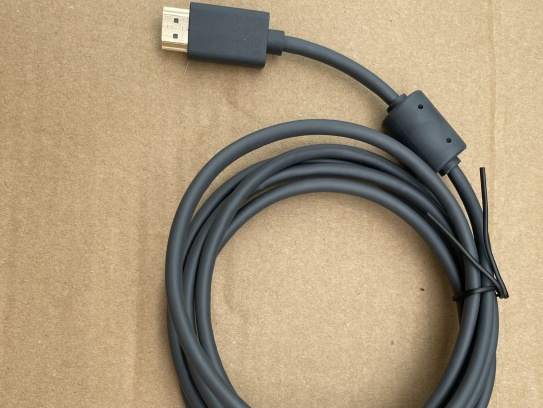
OverviewMicro-Coax for HD Video is a cutting-edge coaxial cable engineered to deliver uncompromised high-definition video quality across professional and industrial applications. Designed for reliability, precision, and versatility,.
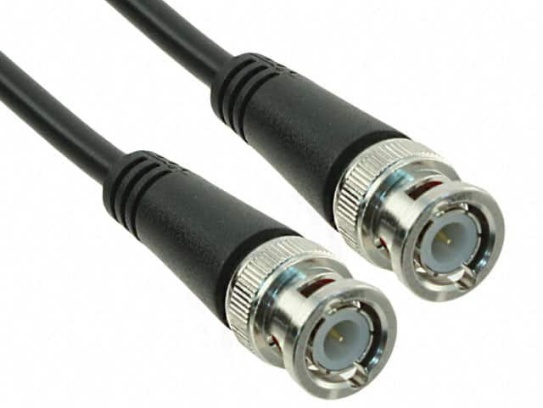
IntroductionIn today’s fast-paced digital world, reliable and high-speed data transmission is critical for industries ranging from telecommunications to aerospace. Enter High-Speed Data Micro-Coax—a cutting-edge miniature coaxial cable e.
Feel free to reach out to us for any inquiries or orders