Coaxial Cable for Underwater Robotics: Keeping Signals Strong Beneath the Waves - Micro Coaxial Cable factory-(FRS)
Micro Coaxial Cable factory-(FRS)
INFO
Underwater robotics, encompassing Remotely Operated Vehicles (ROVs), Autonomous Underwater Vehicles (AUVs), and other subsea systems, rely heavily on transmitting critical data and power. Whether it’s high-definition video from a deep-sea exploration, sensor readings, or control signals, maintaining signal integrity in the challenging underwater environment is paramount. This is where coaxial cable plays a vital, often underappreciated role.
Why Coaxial Cable is Essential Underwater
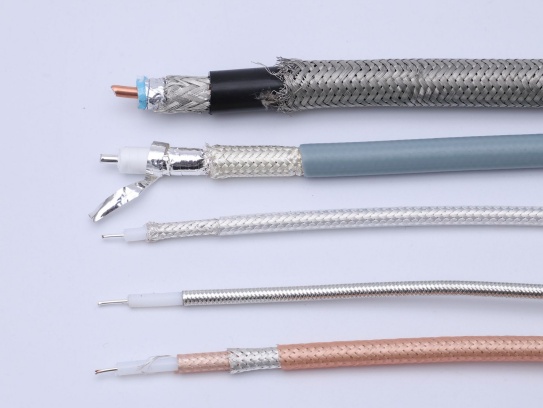
Unlike simple electrical wires, coaxial cable (coax) is specifically designed to carry high-frequency signals with minimal loss and interference. It features a central conductor surrounded by insulation (dielectric), a metallic shield (braided and/or foil), and an outer protective jacket. This structure provides key advantages underwater:
Signal Integrity: The shield effectively contains the electromagnetic field around the central conductor, preventing signal leakage and protecting against external electromagnetic interference (EMI) and radio frequency interference (RFI). This is crucial for clear video feeds and reliable data transmission.
Controlled Impedance: Standard coax cables (like RG-59/U, RG-179, RG-316) have a characteristic impedance (commonly 50Ω or 75Ω). Matching this impedance throughout the system (cable, connectors, equipment) minimizes signal reflections that cause distortion and loss, especially important for high-frequency video signals.
Shielding from Noise: Underwater environments can have electrical noise from thrusters, motors, pumps, and even other nearby equipment. The coax shield acts as a barrier, keeping this noise out of the sensitive signal path.
Challenges of the Underwater Environment
Using coax underwater isn’t as simple as grabbing any cable off the shelf. The marine environment presents unique challenges:
Water Pressure: At depth, immense pressure can crush standard cables or force water ingress if not properly sealed. Cables need robust construction and pressure-balanced designs.
Water Ingress: Saltwater is highly conductive and corrosive. Any breach in the cable jacket or connectors can lead to short circuits, signal degradation, and rapid cable failure. Waterproofing is non-negotiable.
Flexibility and Durability: ROV tethers and AUV umbilical cables experience constant bending, twisting, and potential abrasion against rocks or the vessel. Cables must be highly flexible yet durable enough to withstand these stresses over time.
Corrosion: Saltwater rapidly corrodes standard metals. Components need corrosion-resistant materials like stainless steel or specialized alloys.
Temperature Fluctuations: Moving between surface warmth and deep-sea cold can cause materials to expand and contract, potentially compromising seals.
Key Considerations When Choosing Coax for Underwater Robotics
Selecting the right coaxial cable is critical for performance and longevity:
Application & Signal Type:
Video Transmission (HD/SD): Requires low signal loss (low attenuation). RG-179 (small, flexible) or RG-59 variants are common for analog/digital video within tethers. Higher frequencies (e.g., HD-SDI) demand cables with excellent high-frequency performance.
Data Transmission: Ethernet-over-coax or other data protocols need cables meeting specific bandwidth and attenuation specs. RG-6 variants or specialized data-grade coax might be used.
RF Signals: For sonar, acoustic modems, or radio links, impedance matching and low loss at the operating frequency are essential. RG-58 (50Ω) or specialized RF coax might be chosen.
Impedance: Match the cable’s impedance (usually 50Ω or 75Ω) to your equipment’s requirements. Mismatches cause signal reflections and loss.
Attenuation (Loss): Measured in dB per unit length (e.g., dB/100ft). Lower attenuation is better, especially for long tether lengths or high-frequency signals. Loss increases with frequency and cable length – choose a cable with acceptable loss for your specific signal and distance. Check manufacturer datasheets.
Shielding Effectiveness: Look for cables with high-quality, high-coverage shielding (e.g., dual shield: foil + braid) to combat underwater EMI/RFI effectively.
Construction & Materials:
Jacket: Must be highly waterproof, flexible, abrasion-resistant, and resistant to oil, chemicals, and UV (for surface sections). Thermoplastic Polyurethane (TPU) or Polyurethane (PU) are excellent choices for marine environments.
Dielectric: Foam polyethylene offers lower loss than solid polyethylene but might be less crush-resistant. The choice balances loss and durability needs.
Conductor & Shield: Tinned copper conductors and shields resist corrosion better than bare copper. High-quality braid coverage (e.g., 95%+) is vital.
Flexibility & Bend Radius: Crucial for tethers. Highly flexible cables (often using stranded center conductors and specialized designs) minimize fatigue. Respect the minimum bend radius specified by the manufacturer to avoid damage.
Pressure Rating: For deep-diving systems, ensure the cable is rated for the maximum operating depth (pressure). Some cables use pressure-blocking compounds or specific constructions.
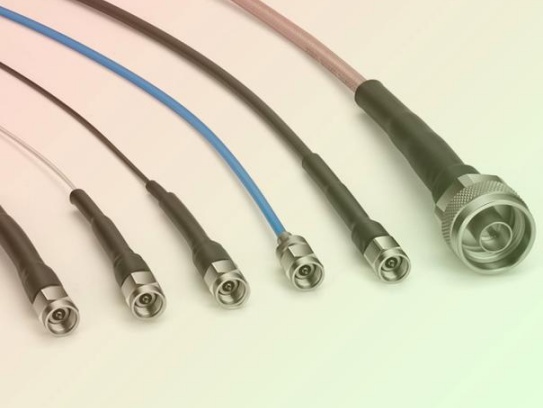
Connectors: The cable is only as good as its connection! Use subsea-rated, pressure-balanced, waterproof connectors designed for coax. Common types include SubConn (impulse-free variants for video), SEACON, or specialized molded connectors. Proper termination and sealing are critical – often best done by professionals or using factory-molded solutions.
Common Coaxial Cable Types Used Underwater (Examples):
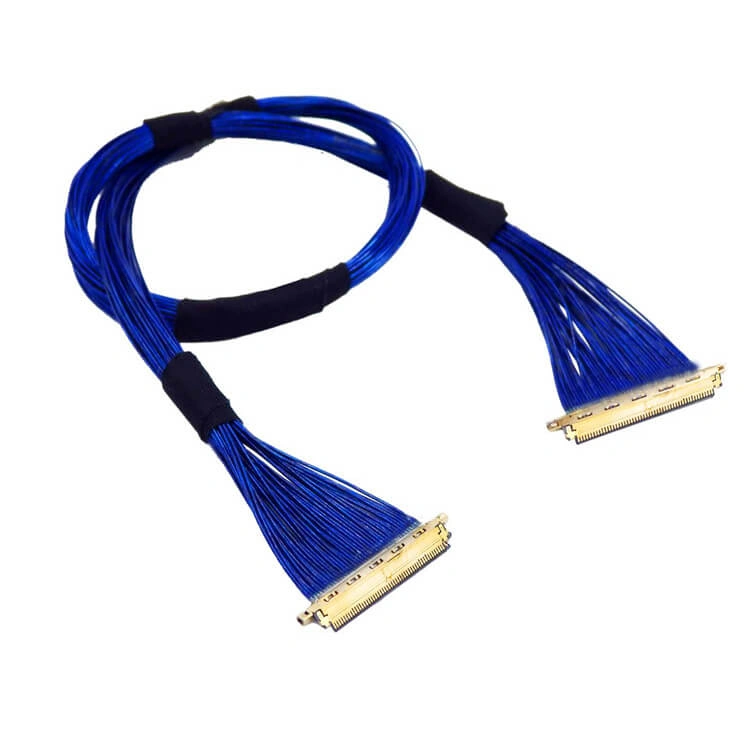
RG-179: Small diameter, highly flexible, low capacitance. Popular for video within multi-conductor ROV tethers (often paired with power conductors). Typically 75Ω.
RG-316: Similar to RG-179 but with a higher temperature rating and often 50Ω impedance. Also very flexible.
Micro-Coax: Extremely thin coax variants used within compact AUVs or for internal wiring where space is critical.
RG-59/U (Marine Grade): Larger than RG-179/RG-316, common for video transmission. Look for versions specifically jacketed for marine use (e.g., PU/TPU).
RG-6/U (Marine Grade): Larger still, lower loss than RG-59 at higher frequencies. Used for longer runs or higher-bandwidth video/data. Requires marine-grade jacketing.
Specialized Subsea Coax: Manufacturers like Times Microwave (e.g., LMR-400 UL rated), TE Connectivity, or Draka offer cables specifically engineered for harsh environments with enhanced pressure resistance, lower loss, and superior shielding.
Best Practices for Using Coax Underwater
Choose Quality: Invest in cables specifically designed and rated for marine/subsea use. Don’t compromise on jacket material or shielding.
Waterproof Connectors: Never use standard terrestrial connectors. Always use properly rated underwater connectors.
Professional Termination: Improper connector installation is a major failure point. Ensure perfect sealing and impedance matching at the termination.
Strain Relief: Properly clamp and strain-relieve the cable at connection points and where it enters pressure housings to prevent pulling on the delicate internal connections.
Regular Inspection: Check cables for abrasion, kinks, and connector integrity before and after every dive. Saltwater damage can happen quickly.
Conclusion
Coaxial cable is a fundamental component enabling the clear communication and reliable data transfer essential for successful underwater robotics operations. Understanding its role, the challenges of the marine environment, and the key selection criteria (impedance, attenuation, shielding, construction, connectors) is vital for engineers, technicians, and operators. By choosing the right high-quality, marine-grade coaxial cable and implementing robust installation and maintenance practices, you ensure your underwater robot can see, sense, and communicate effectively, even in the most demanding depths.
Micro coaxial cables are the unsung heroes of modern electronics, carrying critical high-frequency signals within our smartphones, medical devices, aerospace systems, and countless other compact applications. While their miniature size ...
In the rapidly evolving fields of medical imaging, industrial non – destructive testing, and scientific research, ultrasound technology has become an indispensable tool. At the heart of these advanced ultrasound systems lies a cri...
Coaxial cable assemblies are essential components in various industries, from telecommunications and aerospace to medical equipment and consumer electronics. When purchasing them online, comparing prices is a crucial step to ensure you ...
The answer is a resounding yes. Coaxial cable assemblies are indispensable components in broadcast television systems, playing a critical role in ensuring the reliable, high-quality transmission of audio and video signals throughout the...
In high-speed, high-density electronic systems, the micro coaxial cableis the workhorse that carries critical RF, high-speed digital, and video signals. However, the mere presence of a high-quality cable is not enough. The point where t...
In high-speed systems, a micro coaxial cable signal delay solutionis not just about the physics of propagation. It’s a critical design element that ensures timing synchronization, data integrity, and electromagnetic compatibility ...
Coaxial cable assemblies are critical for reliable signal transmission in industries like telecommunications, aerospace, and industrial automation. However, their physical structure—including the inner conductor, dielectric layer, shiel...
Coaxial cable assemblies are critical components in various industries such as telecommunications, aerospace, medical equipment, and automotive electronics. Their performance and reliability are closely tied to proper packaging, which n...
FAQs About Micro Coaxial Cable MaintenanceQ: How often should I inspect micro coax cables?A: Inspect every 3–6 months in standard environments, or monthly in high-stress settings (e.g., industrial machinery).Q: Can I repair a damage...
In numerous industries ranging from telecommunications and aerospace to renewable energy and outdoor surveillance, coaxial cable assemblies play a pivotal role in transmitting high-frequency signals with minimal loss. However, when thes...
The price of coaxial cables varies significantly across different models, influenced by design specifications, performance capabilities, and application requirements. Understanding these differences helps users make cost-effective decis...
In the realm of signal transmission, the presence of noise is a persistent challenge that can severely compromise the integrity and quality of signals. Noise can stem from various sources such as electromagnetic interference (EMI), radi...
In the world of electronics and telecommunications, coaxial cables play a pivotal role in transmitting signals. One of the most crucial aspects of coaxial cables is their impedance. Understanding coaxial cable impedance is essential for...
When you see crisp 4K or even 8K footage from a racing drone, the credit often goes to the camera sensor and the video transmitter. However, a tiny but critical component—the micro coaxial cable—is quietly working inside the drone to en...
Choosing the best micro coaxial cable for 4K/8K displays is not about finding a single “magic” part number. It is about matching the cable’s electrical, mechanical, and system-level characteristics to your display interface, resolution,...
MRI machines are critical diagnostic tools in healthcare, relying on precision engineering to deliver accurate imaging results. At the heart of these systems are micro-coaxial cables, which transmit high-frequency signals with minimal ...
Choosing the perfect micro coaxial cable can feel overwhelming with so many options available. But fear not! Selecting the right one is crucial for ensuring your electronic devices or systems perform reliably. This guide breaks down the...
Micro-coaxial cables are the silent workhorses inside countless electronic devices and systems, transmitting high-frequency signals reliably – until humidity strikes. If you’ve ever encountered signal loss, noise, or complete failure wi...
In the realm of structured cable systems, patch panels serve as the critical junction points that streamline connectivity, enhance manageability, and ensure scalability. These devices act as centralized hubs, enabling the organized inte...
Working with micro coaxial cables (common in electronics, drones, cameras, medical devices, and communications) requires precision tools due to their tiny size and delicate construction. Using the wrong tools can easily damage the cable...
In the world of theater, sound is not just an accessory—it’s a storytelling tool that breathes life into performances. A single note from a violin, a whispered line from an actor, or the roar of a crowd in a musical number must reach ev...
The relentless hum, the powerful thuds, the constant tremors – heavy machinery operates in a world dominated by vibration. While essential for demanding industrial tasks, this vibration poses a silent, pervasive threat to the intricate...
Introduction:
Imagine sending a billion-dollar science laboratory to Mars. It needs to survive the journey, land safely, and then operate flawlessly in one of the harshest environments imaginable. Every component matters, especially ...
IntroductionThe rapid evolution of augmented reality (AR) and virtual reality (VR) headsets is pushing hardware components to their limits. One critical yet often overlooked element is the micro-coaxial cable, a tiny but vital part res...
In the world of electrical and electronic systems, coax connectors play a pivotal role. They are the unsung heroes that ensure seamless signal transmission, whether it’s in a high – tech telecommunications setup, a complex i...
In an era where seamless data transmission and reliable signal integrity are non-negotiable, the coaxial cable with double braided shield emerges as a game-changer. This advanced cable technology is engineered to provide maximum protect...
In the fast-evolving world of medical technology, devices like implantable sensors, MRI machines, and surgical robots rely on precision-engineered components to function safely and accurately. Among these components, medical-grade micr...
In the realm of microwave radio communication, where signal integrity, compactness, and reliability are paramount, micro-coaxial cables have emerged as a critical component. Microwave radio systems operate at high frequencies ranging fr...
In the realm of CCTV and security camera systems, reliable signal transmission is the backbone of effective surveillance. Among the various cabling options available, coaxial cable has long stood as a trusted choice, renowned for its ab...
We are excited to announce that our factory has officially launched a professional coaxial cable installation service. This service is designed to meet the growing demand for high-quality, reliable coaxial cable installations across var...
In the complex web of modern connectivity, coaxial cables stand as vital arteries, carrying critical signals across a vast array of industries. From the bustling floors of manufacturing plants to the high – speed realm of aerospac...
The future of reliable connectivity in demanding environments just took a quantum leap forward. A groundbreaking patent for self-healing micro-coaxial cables has been officially filed, promising to dramatically reduce failures, ext...
(Perfectly optimized for SEO & user understanding)
When you picture an autonomous vehicle (AV), you likely imagine sophisticated cameras, spinning LiDAR sensors, powerful processors, and complex AI algorithms. Rarely do we think ...
We are excited to announce the release of our latest coaxial cable model, a product that embodies our commitment to innovation, quality, and meeting the evolving needs of the market.
In today’s rapidly advancing technological ...
In today’s tech-driven world, the demand for high-performance micro-coaxial cables is skyrocketing. However, traditional cables often rely on non-recyclable plastics and harmful materials, contributing to environmental pollution. Enter ...
As 5G New Radio (NR) networks push into FR2 bands—spanning 24.25 GHz to 40 GHz and beyond—the performance of every interconnect in the RF front-end is under unprecedented scrutiny. Among these, the micro coaxial cable termination soluti...
Against the backdrop of rising demand for stable signal transmission solutions in sectors such as 5G base station construction, residential security networking, and industrial data transmission, a series of targeted sales promotion acti...
The demand for micro-coaxial cables is surging, driven by high-speed data transfer in devices like smartphones, medical equipment, automotive sensors, and aerospace systems. Alongside performance, manufacturers and end-users are increas...
In high-resolution camera modules, displays, and embedded vision systems, the MIPI (Mobile Industry Processor Interface) has become the de facto standard for camera (CSI-2) and display (DSI) interconnects. As resolutions, frame rates, a...
Bend Radius Challenges in 5G/6G InfrastructureA. Massive MIMO AntennasModern 5G base stations use 64–256 antenna elements to enable beamforming. Micro-coaxial cables route signals between transceivers and radiating elements, but ti...
H1: Precision Instrument Micro-Coax – Engineered for Critical Signal Integrity
Meta Description: Discover Precision Instrument Micro-Coax: Miniature coaxial cable solution optimized for high-frequency signal transmissio.
Meta Description: Discover premium RF micro coaxial cables engineered for high-frequency signal transmission in compact devices. Explore specs, applications, and benefits for telecom, medical, and aerospace industries.
.
Contact Us Micro Coaxial Cable factory-(FRS).
Feel free to reach out to us for any inquiries or orders