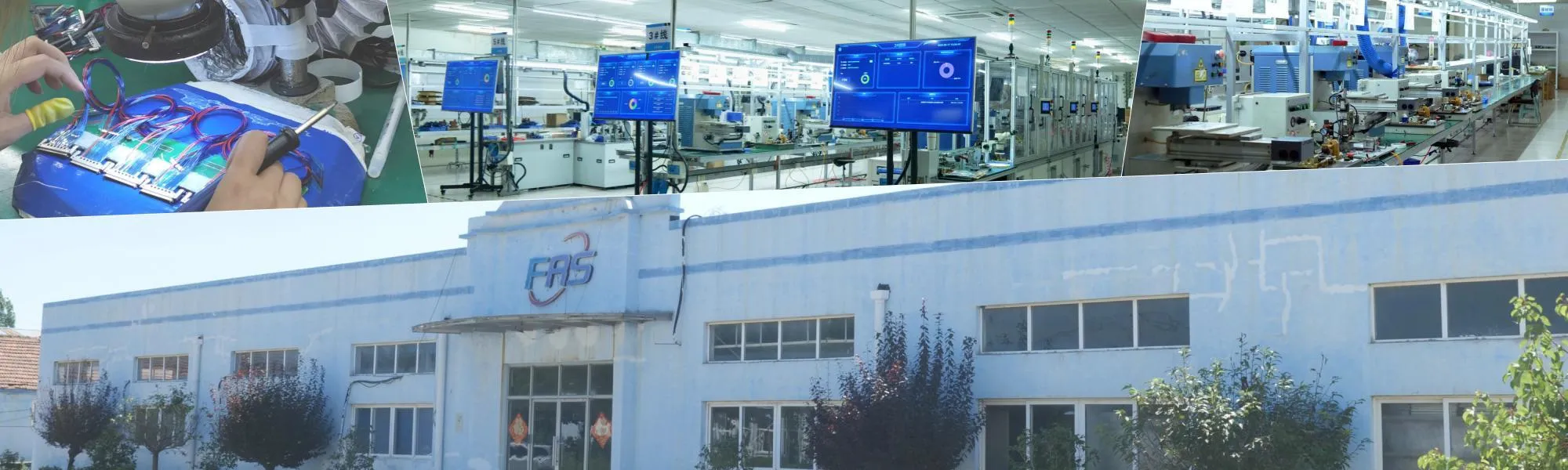
Micro Coaxial Cable factory-(FRS)
The evolution of VR and AR headsets is driven by a constant push for higher resolutions (4K/8K per eye), faster refresh rates (90–120 Hz+), and sleeker, lighter designs. This progression places immense pressure on internal high-speed interconnects. Two prominent solutions are micro coaxial cable(often paired with eDP) and LVDS cable. This article dissects their differences and guides you in selecting the right one for your next VR/AR project.
Modern VR/AR headsets are essentially miniaturized computers. Key components include high-resolution OLED/LCD panels, motion sensors, cameras, and SoCs. The primary challenge is routing high-bandwidth video and data from the SoC to the displays through a compact, dynamic structure that bends with head movement.
This is where micro coaxial and LVDS cables come into play. Both are differential signaling technologies that use two conductors to transmit data, offering low voltage swings and excellent noise immunity. However, their implementations and optimal use cases differ significantly.
Micro coaxial cable is a very thin (typically 0.3–0.8 mm OD) coaxial cable. It’s widely used in VR headsets, smartphones, and other compact devices for high-frequency signal transmission.
Key Characteristics:
VR/AR Applications:
LVDS (Low-Voltage Differential Signaling) is a mature technology known for its low power consumption and reliable data transmission over moderate distances. It typically uses twisted pairs, sometimes shielded, and is common in industrial and automotive displays.
Key Characteristics:
VR/AR Applications:
| Feature | Micro Coaxial Cable (eDP) | LVDS Cable |
|---|---|---|
| Signal Rate | Multi-gigabit per second | Typically hundreds of Mbps |
| Max Resolution | 4K/8K per eye | WUXGA and below |
| Pairs per Link | Few (e.g., 4 pairs for eDP) | Many (e.g., 3+1 pairs for LVDS) |
| EMI Shielding | Excellent (individual shields) | Good (overall shield) |
| Bend Radius | Very tight, high-cycle | Moderate |
| Design Complexity | Higher (impedance control critical) | Lower (mature ecosystem) |
| Typical Use Case | Premium VR/AR, high-res displays | Industrial, automotive, cost-sensitive VR/AR |
Choose Micro Coaxial Cable (eDP) if:
Choose LVDS Cable if:
Designing and manufacturing high-performance micro coaxial and LVDS cable assemblies for VR/AR is complex, demanding expertise in signal integrity, precision manufacturing, and rigorous testing.
FRSis a specialized manufacturer with deep experience in producing custom high-speed cable assemblies. We offer:
Let FRS be your partner in bringing your next-generation VR/AR headset to market. Contact our engineering team to discuss your project requirements.
Our factory offers high-quality products at competitive prices
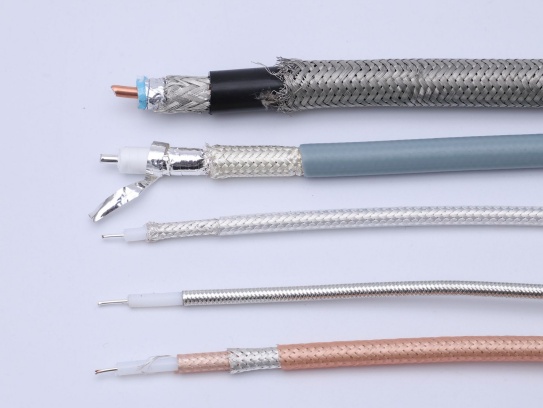
Meta Description: Discover premium RF micro coaxial cables engineered for high-frequency signal transmission in compact devices. Explore specs, applications, and benefits for telecom, medical, and aerospace industries. .
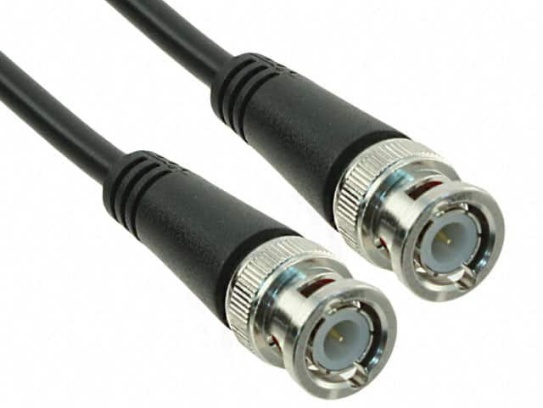
IntroductionIn today’s fast-paced digital world, reliable and high-speed data transmission is critical for industries ranging from telecommunications to aerospace. Enter High-Speed Data Micro-Coax—a cutting-edge miniature coaxial cable e.
Feel free to reach out to us for any inquiries or orders