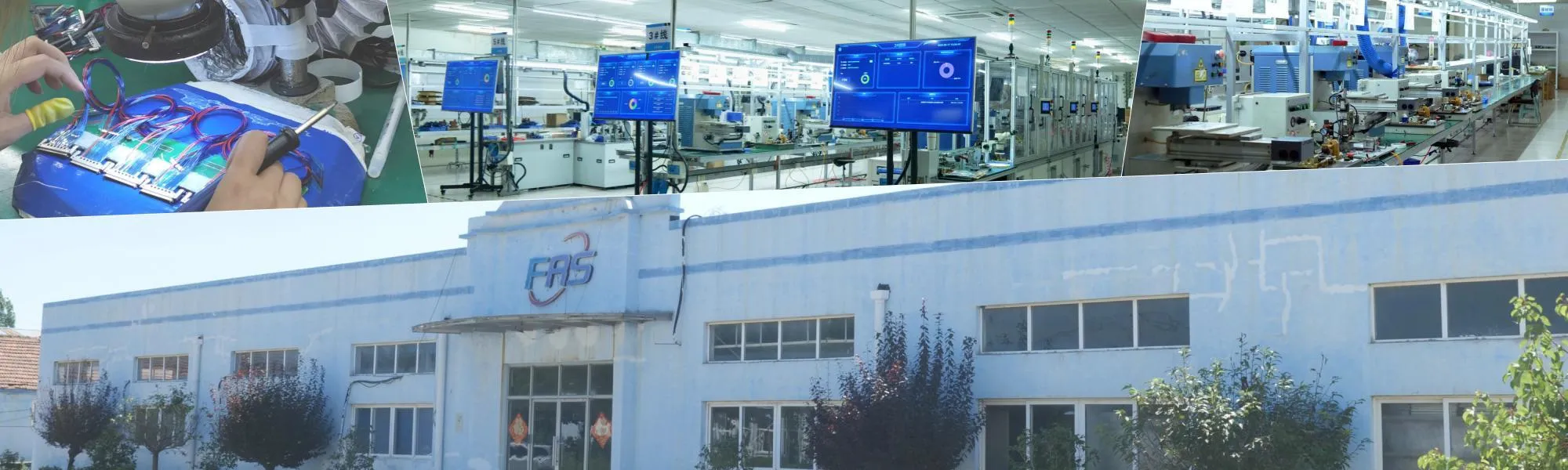
Micro Coaxial Cable factory-(FRS)
In high-resolution camera modules, where every 0.01 mm counts, the choice of interconnect is critical. The AWG42 micro coaxial cableis a proven solution for transmitting high-frequency video and control signals in ultra-compact spaces. However, its ultra-fine structure makes the jacket materialthe decisive factor for long-term reliability. This article explores the key properties of AWG42 cables and how selecting the right jacket can significantly extend the service life of your camera module.
AWG42 (≈0.08 mm diameter) is at the extreme end of micro-coaxial cables, designed for applications where space is paramount. It’s commonly used in:
These applications often use 0.4 mm pitch micro-coax connectors(e.g., KEL USL20 series) that are explicitly recommended for #42 AWG cables, highlighting its prevalence in compact imaging systems.
The small cross-section of AWG42 presents inherent electrical challenges that impact long-term performance:
For AWG42, the jacket is not just a protective layer; it’s integral to the cable’s performance and lifespan. Key requirements include:
Different jacket materials offer distinct trade-offs for AWG42 cables. Here’s a comparison of the most common options:
| Material | Key Properties | Pros | Cons | Best Use Cases |
|---|---|---|---|---|
| FEP(Fluorinated Ethylene Propylene) | – Temp:-65°C to +200°C – Dielectric:Low loss – Clarity:Good | – Excellent chemical resistance – Good flexibility – Cost-effective | – Slightly higher loss tangent than PTFE/PFA – Softer than PFA | General industrial cameras, cost-sensitive medical devices. |
| PFA(Perfluoroalkoxy) | – Temp:-65°C to +260°C – Dielectric:Very low loss – Durability:High | – Superior chemical & thermal resistance – Excellent mechanical toughness – Ideal for repeated bending | – Most expensive option | Medical devices (autoclave), aerospace, automotive under-hood. |
| PVC(Polyvinyl Chloride) | – Temp:~105°C – Cost:Very low | – Inexpensive – Flame retardant (UL94V-0) – Good general-purpose protection | – Poor high-temp performance – Higher dielectric loss – Environmental concerns (RoHS) | Non-critical, low-cost consumer electronics. |
| PUR(Polyurethane) | – Temp:-40°C to +80°C – Flexibility:Excellent | – Very high flexibility & abrasion resistance – Oil & tear resistant | – Limited high-temperature range – Can absorb moisture | Robotics, moving cable chains, industrial environments. |
| LSZH(Low Smoke Zero Halogen) | – Temp:Varies (typically ~105°C) – Emission:Low smoke, no halogen | – Safe for confined spaces – Meets strict fire safety codes | – Mechanical properties vary by formulation | Public spaces, transportation, ships, medical facilities. |
Maximizing the lifespan of your AWG42 cable involves several key design considerations:
At FRS, we specialize in engineering micro-coaxial solutions that prioritize long-term reliability. Our expertise in AWG42 cables for camera modules ensures your designs are built to last.
By partnering with FRS, you gain a reliable, long-term partner committed to the quality and performance of your camera module interconnects.
Contact FRS today to discuss your AWG42 micro coaxial cable needs and experience the difference of working with a true specialist.
Contact Us Right Now:
TEL&WECHAT: +86-1881-875-005 (Wechat)
E-MAIL: sales@custom-cable-assemblies.com
Our factory offers high-quality products at competitive prices
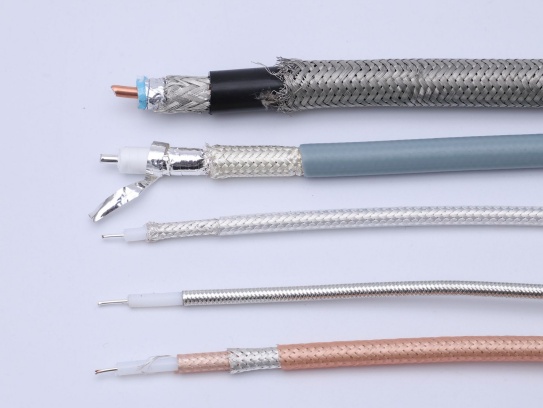
Meta Description: Discover premium RF micro coaxial cables engineered for high-frequency signal transmission in compact devices. Explore specs, applications, and benefits for telecom, medical, and aerospace industries. .
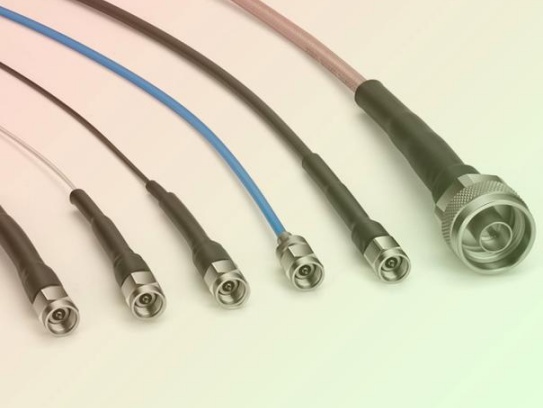
H1: Precision Instrument Micro-Coax – Engineered for Critical Signal Integrity Meta Description: Discover Precision Instrument Micro-Coax: Miniature coaxial cable solution optimized for high-frequency signal transmissio.
Feel free to reach out to us for any inquiries or orders