Micro coaxial cable is a critical component for high-frequency, high-density connections in modern electronics. This guide answers common questions and provides a practical roadmap for selecting the right cable for your application.
What is a Micro Coaxial Cable?
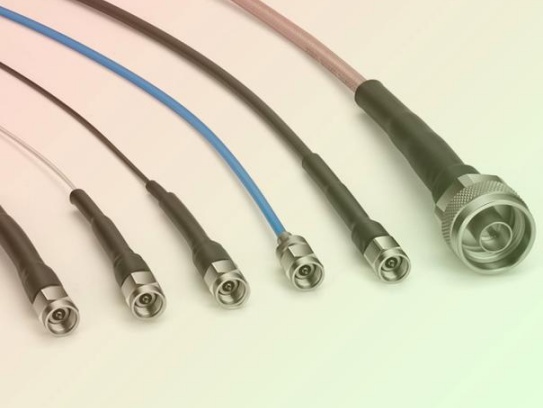
A micro coaxial cableis a miniaturized coaxial cable engineered for high-frequency signal transmission with minimal loss and interference. It’s a critical component in devices where space is limited but performance is paramount.
Key Applications:
Consumer Electronics: Laptops, tablets, smartphones, VR/AR headsets, and wearable devices.
Medical Devices: Endoscopes, ultrasound probes, patient monitors, and surgical robots.
Automotive & Mobility: ADAS cameras, in-vehicle displays, and high-speed data links.
Industrial & Test Equipment: High-speed test leads, measurement instruments, and industrial cameras.
Telecom & Aerospace: 5G infrastructure, base stations, and aerospace/defense systems.
How Small is “Micro” Coaxial Cable?
“Micro” is a relative term, but in practice, it refers to cables with an outer diameter (OD) of roughly 0.2–1.2 mm.
Ultra-fine: 0.2–0.4 mm, used in high-end medical probes and ultra-compact cameras.
Common Fine: 0.4–0.8 mm, typical for smartphone and laptop internal links.
General Micro: 0.8–1.2 mm, used where more mechanical robustness is needed.
The smaller the diameter, the more challenging it is to maintain low loss, impedance control, and shielding effectiveness.
Key Electrical Parameters
When evaluating a micro coaxial cable, ensure they can provide detailed specifications for the following parameters:
Impedance: Most common are 50 Ωand 75 Ω. Mismatched impedance is a primary cause of signal reflection and loss.
Attenuation (Insertion Loss): The signal loss over distance, specified in dB/m. It varies with frequency and must be considered for high-speed or long-distance runs.
Capacitance & Velocity of Propagation: Affects signal timing and integrity, especially in high-speed digital applications.
Shielding Effectiveness: Essential for preventing EMI/RFI. Look for high coverage braid, foil, or dual shielding.
Operating Temperature: High-temp resistantcables use materials like PFA/FEP for stable performance in harsh environments (-70°C to +200°C).
Flexibility & Bend Radius: Crucial for applications with moving parts. Ultra-fine cables (e.g., 46–50 AWG) offer high flexibility but require careful handling.
Voltage Rating & Compliance: Ensure the cable meets required voltage ratings and international standards like RoHS, REACH, and UL.
How Fast Can a Micro Coaxial Cable Run?
The data rate a micro coaxial cablecan support depends on a combination of factors:
Cable Length: Attenuation increases with length, especially at higher frequencies.
Cable Construction: Conductor size, dielectric material (e.g., PTFE, FEP), and shielding all impact loss.
Connector Quality: Poorly matched or terminated connectors are a common cause of signal failure.
Channel Design: The overall channel, including PCB traces and vias, must be impedance-controlled.
General Performance Guidelines:
1–10 Gbps: Common for many MIPI, LVDS, and USB 3.0/3.x links.
10–20 Gbps: Achievable with high-quality cables in lengths of a few tens of centimeters.
30–40 Gbps: Possible in very short, well-designed channels using top-tier materials and precision assembly.
For new designs, it’s wise to target a safe margin below the theoretical maximumto ensure reliable performance over temperature and time.
Micro Coaxial Cable vs. Other Cables
Feature
Micro Coaxial Cable
FFC/FPC (Flexible Flat Cable)
Multi-Conductor Cable
EMI Shielding
Excellent (individual shielding)
Poor to moderate
Poor unless shielded
Signal Integrity
High (stable impedance)
Degrades at high frequencies
Degrades at high frequencies
Flexibility
Good, but with a bend radius
Excellent
Good
Space Efficiency
High (round profile)
Very high (thin and flat)
Moderate
Best For
High-speed, high-frequency, noisy environments
Low-speed, cost-sensitive connections
Power and low-speed signal mixing
In summary:Use micro coaxial cablewhen you need to protect high-frequency signals from noise and maintain signal integrity in a compact space.
How to Choose the Right Micro Coaxial Cable
A reliable micro coaxial cable manufacturershould offer more than just a catalog. Look for these capabilities:
Define Your Electrical Specs: Start with frequency, data rate, and maximum length to determine the required impedance and attenuation.
Match the Mechanical & Environmental Needs: Consider bending, vibration, temperature, and chemical exposure to select the right construction.
Select the Right Shielding: Choose a shielding structure (braid, foil, or combination) based on the EMI environment.
Choose the Right Connector: Ensure compatibility with your PCB footprint and mating cycles.
Partner with a Capable Manufacturer: Look for a partner with strong engineering support, in-house testing, and a track record of quality.
Why Partner with FRS as Your Micro Coaxial Cable Manufacturer?
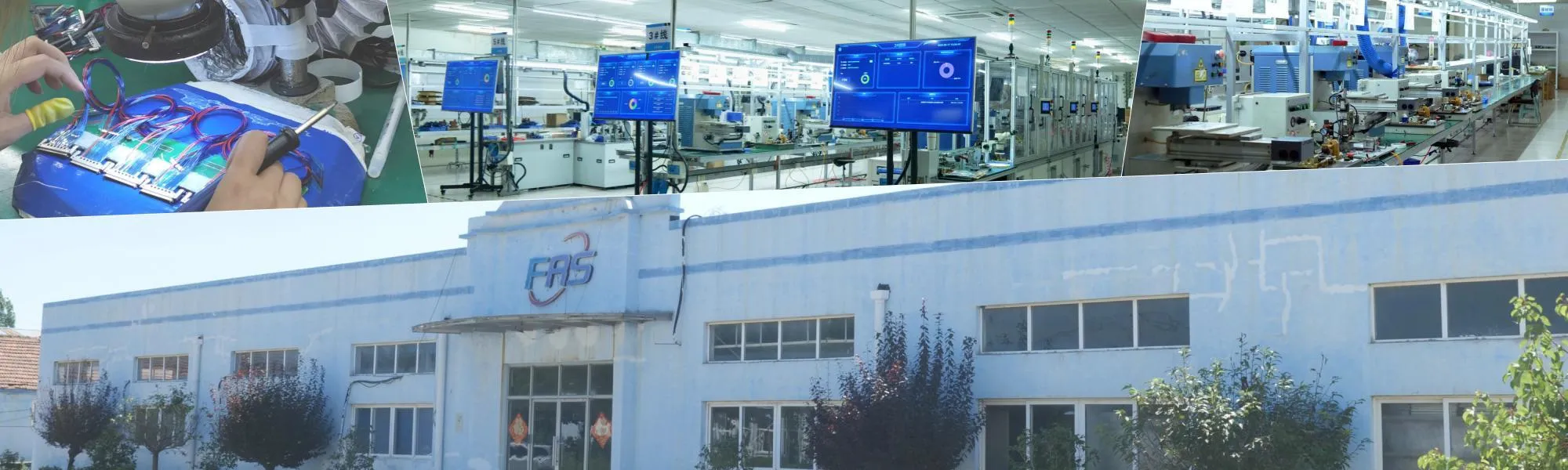
FRSis a specialized micro coaxial cable manufacturerwith over 20 years of experience. We are committed to being a long-term partner for your business.
Our High-Temperature Resistant Solutions
Premium Materials: We use high-purity copper conductors and PFA/FEP insulation for superior thermal stability and low loss.
Diverse Product Range: Our portfolio covers a wide spectrum, from 32–50 AWG micro-coax to complex multi-cable harnesses.
Rigorous Quality Control: Every cable undergoes a 100% electrical performance test before shipment to ensure signal integrity.
Factory Price & Quality Guaranteed
Direct Factory Pricing: By managing our own production chain, we offer competitive prices without compromising quality.
Certified Quality Management: Our systems are certified to ISO 9001, IATF 16949, ISO 13485, and UL, ensuring consistent quality.
Fast & Flexible Delivery: We support both small-batch prototyping and large-scale production runs with short lead times.
Comprehensive Support
Expert Engineering Team: Our engineers provide full support from initial design and prototyping to testing and mass production.
Wide Application Coverage: We serve diverse industries, including medical, automotive, industrial, and consumer electronics, providing tailored solutions for each.
Start Your Project with FRS Today
Choosing the right micro coaxial cable manufactureris an investment in your product’s success. Don’t let cable issues hold back your innovation.
Contact FRS now for a free consultation or quotation. Let our team be your reliable partner for all your high-performance micro coaxial cable needs.
In the realm of test and measurement (T&M), precision is non-negotiable. Whether calibrating radar systems, validating 5G components, or analyzing signal integrity in aerospace applications, the accuracy of results hinges on every l...
In the demanding environment of aerospace engineering, where extreme temperatures, radiation exposure, and reliability are critical, the choice of transmission lines can make or break mission success. Micro-coaxial cables, with their mi...
The global coaxial cable market is poised for significant growth in the coming year, driven by advancements in communication technologies, infrastructure expansion, and evolving consumer demands. As industries and households increasingl...
As electronic devices shrink and data rates skyrocket, engineers face a critical question: Does micro coaxial cable support higher frequencies than traditional coaxial cable?
The short answer is yes. While traditional coaxial cables ...
In modern electronics, reliable signal transmission is paramount. As devices become smaller and more densely packed, the cables connecting them must follow suit. This is where flame retardant micro coaxial cable for electronicsbecomes e...
Key Changes in the 2024 Revision
Extended Frequency Range: New testing requirements now cover up to 110 GHz (previously 67 GHz) to accommodate 6G and automotive radar applications
Stricter Impedance Tolerance: ±3Ω uniformity requ...
Coaxial cable assemblies are critical components in countless electronic systems, from telecommunications and aerospace to medical devices and industrial machinery. These assemblies—comprising a central conductor, dielectric insulator, ...
Coaxial cable assemblies are critical for reliable signal transmission in industries like telecommunications, aerospace, and industrial automation. However, their physical structure—including the inner conductor, dielectric layer, shiel...
In the modern technological landscape, sensitive equipment is everywhere, from delicate medical devices to high – tech communication gear. However, these devices are constantly under threat from Electromagnetic Interference (EMI) ...
IntroductionQuantum computing represents the next frontier in computational power, promising breakthroughs in cryptography, material science, and optimization. However, the extreme environments required for quantum systems—specifically ...
nternet Protocol Television (IPTV) has revolutionized how we consume media, delivering live TV, video-on-demand, and interactive content over broadband networks. While fiber-optic and Ethernet cables are often considered the gold standa...
The relentless drive for miniaturization in modern electronics demands components that are both incredibly small and reliably high-performing. Ultra-fine coaxial cables, particularly those with a meticulous 0.5mm outer diameter (OD), re...
Coaxial cables are the unsung heroes of many critical systems, from home TV setups and broadband networks to security cameras and industrial communication systems. These cables transmit high-frequency signals with minimal loss, but over...
Define Transmission RequirementsFrequency & Bandwidth: Choose cables based on signal type and frequency range. For example:High-frequency signals (e.g., 5G, mmWave radar): Requires cables supporting 40 GHz or higher16.Digi...
Coaxial cable assemblies are critical for transmitting high-frequency signals in applications like telecommunications, satellite TV, and industrial automation. Poor installation can lead to signal attenuation, interference, or even comp...
In the world of electrical and networking installations, coaxial cables play a crucial role. They are widely used in applications such as cable television, satellite TV, CCTV systems, and high – speed internet connections. When it...
Coaxial cable assemblies are widely used in signal transmission systems, such as TV antennas, satellite receivers, and communication equipment. A damaged connector can cause signal loss, interference, or even complete transmission failu...
Coaxial cable assemblies are critical components in a wide range of industries, including telecommunications, aerospace, defense, medical equipment, and consumer electronics. Their performance directly impacts the reliability, signal in...
Coaxial cable assemblies are the backbone of modern connectivity, enabling the reliable transmission of radio frequency (RF), microwave, and high-frequency signals across industries ranging from telecommunications and aerospace to medic...
Time Domain Reflectometry (TDR) is a powerful electrical test method that sends a fast voltage step down a transmission line and analyzes the reflections caused by impedance changes. In micro coaxial cable quality control, TDR is used t...
In an era where smart home technology is reshaping modern living, the role of robust and reliable connectivity cannot be overstated. At the heart of seamless smart home integration lies coaxial cable—a time-tested solution that con...
In industries ranging from aerospace to industrial manufacturing, coaxial cables serve as critical components for transmitting high-frequency signals with minimal loss. However, extreme temperature environments have long posed challenge...
In the world of outdoor electrical and communication setups, the significance of a reliable cable cannot be overstated. When it comes to harsh weather conditions, outdoor-rated coaxial cables emerge as the go-to solution for a plethora ...
In the rapidly evolving landscape of advanced electronics, the demand for high-performance connectivity solutions has never been greater. Among the key components driving this demand, Micro-Coaxial Cables stand out as critical enablers,...
In the harsh and unforgiving environment of space—where extreme temperatures, intense radiation, and vacuum conditions prevail—reliable signal transmission is critical to the success of satellites, space probes, and orbital stations. Mi...
In today’s fast-paced business world, communication infrastructure is the backbone of operations—but rising costs from signal loss, frequent maintenance, and complex installations often weigh on budgets. For enterprises, broadband provi...
In high-resolution camera modules, where every 0.01 mm counts, the choice of interconnect is critical. The AWG42 micro coaxial cableis a proven solution for transmitting high-frequency video and control signals in ultra-compact spaces. ...
In the fast-evolving global communications and electronics industry, high-performance coaxial cables are the unsung backbone of stable signal transmission—from 5G base stations to data centers and professional broadcast systems. Recentl...
In today’s interconnected world, coaxial cables serve as the backbone of critical communication, data transmission, and industrial control systems—powering everything from 5G base stations and data centers to subway communication networ...
Modern trains are marvels of engineering, relying on complex electronic systems for safe and efficient operation. At the heart of these systems – controlling everything from signaling and automatic train protection (ATP) to door control...
In the realm of communication and electronics, coaxial cables stand as indispensable components, with their quality directly impacting the performance of entire systems. Today, a groundbreaking development has emerged: the quality compl...
The Challenge with Traditional Micro-Coaxial Connectors
Micro-coaxial cables (often called “micro-coax”) are essential for high-frequency signal transmission in electronics, medical devices, and telecommunications. Howeve...
Coaxial cables are widely used in home and office setups for transmitting TV signals, internet data, and more. To ensure a neat and efficient connection, wall plates and jacks play a crucial role in coaxial cable termination. This artic...
Micro-coaxial cables are the unsung heroes inside countless modern devices, carrying high-frequency signals for everything from smartphone antennas and medical sensors to satellite communications and military radar. A...
Your car’s advanced safety features – automatic emergency braking, adaptive cruise control, blind-spot monitoring – rely heavily on invisible eyes: radar sensors. These sensors, increasingly operating at high frequencies like 76-81 GHz,...
Implantable medical devices (IMDs) represent a revolution in healthcare, restoring function, monitoring vital signs, and saving lives. From pacemakers and neurostimulators to cochlear implants and advanced biosensors, these devices rely...
The Hidden Backbone of Smart Farms
Micro-coaxial cables (often thinner than 2mm) are revolutionizing agriculture by reliably transmitting data between sensors, drones, and automated equipment. These miniature cables withstand harsh f...
In the complex and high-stakes world of military operations, navigation systems serve as the backbone of strategic decision-making, troop deployment, and mission success. From airborne surveillance platforms to naval vessels and ground-...
Selecting the right dielectric material for micro coaxial cables is critical for high-frequency performance, reliability, and cost-effectiveness. Polytetrafluoroethylene (PTFE) and Polyethylene (PE) are the two dominant contenders. Unde...
Underground coaxial cables are a vital solution for permanent installations, offering reliable signal transmission in various settings. Whether for residential, commercial, or industrial use, understanding their benefits, installation t...
H1: Precision Instrument Micro-Coax – Engineered for Critical Signal Integrity
Meta Description: Discover Precision Instrument Micro-Coax: Miniature coaxial cable solution optimized for high-frequency signal transmissio.
Meta Description: Discover the advanced features and benefits of Industrial Micro-Coaxial Wiring—engineered for precision, durability, and high-speed signal transmission in industrial environments.
What is Industrial Micro-Co.
Contact Us Micro Coaxial Cable factory-(FRS).
Feel free to reach out to us for any inquiries or orders