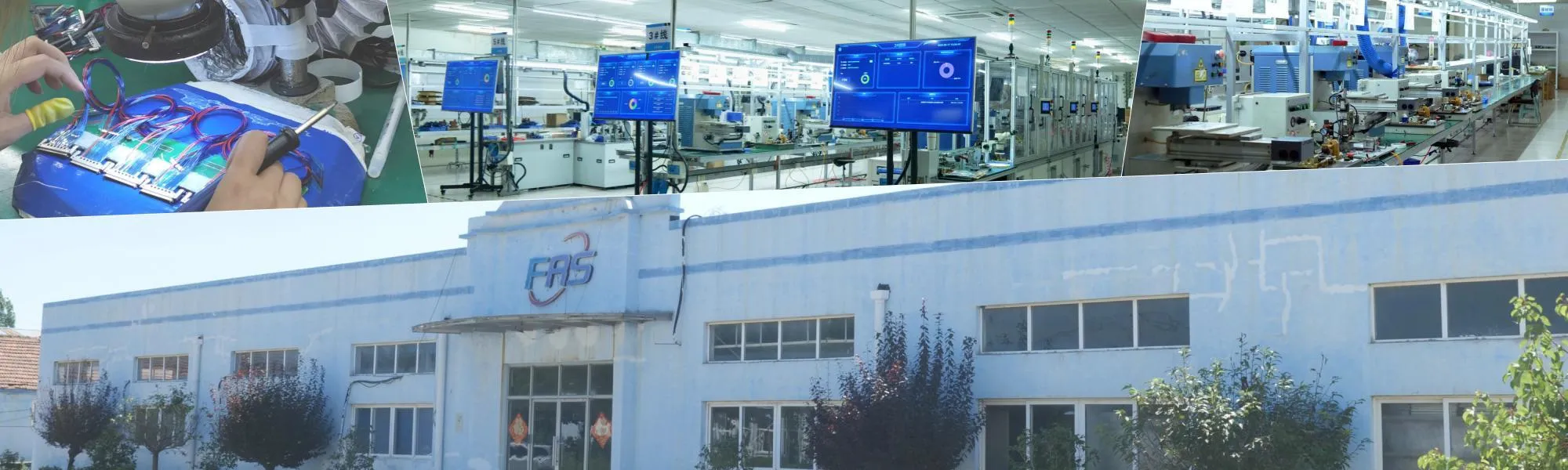
Micro Coaxial Cable factory-(FRS)

Micro Coaxial Cable for SerDes High Speed Transmission Supports Next-Gen Automotive ADAS Cameras - Micro Coaxial Cable factory-(FRS)

Micro Coaxial Cable factory-(FRS)


INFO

Advanced Driver-Assistance Systems (ADAS) are evolving rapidly, demanding higher resolution, lower latency, and greater reliability from in-vehicle camera systems. At the heart of this evolution lies the Serializer/Deserializer (SerDes) architecture, which converts parallel video data into high-speed serial streams. To transmit these multi-Gbps signals reliably across the vehicle, Micro Coaxial Cablehas become the industry-standard physical medium.

This guide provides a technical yet practical overview for B2B engineers and procurement specialists on selecting and implementing micro coax for next-gen ADAS camera modules.


Why Micro Coax is Essential for Automotive SerDes

Unlike standard coaxial or twisted-pair cables, micro coaxial cable offers a unique balance of electrical performance and mechanical flexibility in a miniature form factor (typically 0.3mm–1.0mm OD). Its importance in ADAS stems from three core advantages:

  • Superior Signal Integrity:The controlled 50Ω impedance and continuous shielding minimize signal reflection and attenuation, ensuring clean data transmission for high-resolution cameras (e.g., 8MP+).
  • EMI/EMC Performance:Vehicles are electrically noisy environments. The 360° dual shielding (foil + braid) effectively contains high-frequency radiation, helping systems pass stringent CISPR 25 automotive EMC tests.
  • Space & Weight Savings:Its tiny footprint allows routing through tight spaces (e.g., inside car doors for surround-view cameras or within mirror assemblies), reducing overall harness weight—a critical factor for EV range optimization.

Critical Technical Parameters for Selection

Selecting the wrong cable leads to bit errors, link instability, or EMC failures. Focus on these non-negotiable specifications:

1. Impedance and Tolerance

  • Standard:50Ω is mandatory for most automotive SerDes interfaces (GMSL, FPD-Link, MIPI A-PHY).
  • Tolerance:Demand ±2Ω or tighter. Variations cause signal reflections, closing the “eye diagram” and increasing Bit Error Rate (BER).

2. Insertion Loss & Bandwidth

  • Application:Higher resolution (4K/8K) requires higher frequencies.
  • Data Point:Verify the cable’s insertion loss curve (dB/m @ frequency). A quality automotive micro coax typically supports frequencies up to 6–20 GHz.
  • Rule of Thumb:Calculate total channel loss (cable + connector + PCB trace) against your SerDes chipset budget. Exceeding this budget causes link drops.

3. Shield Effectiveness

  • Construction:Insist on dual shielding(Aluminum Mylar foil + Tinned Copper braid).
  • Coverage:Braid coverage should exceed 85–90%. Inadequate coverage creates “leaky cables” that fail EMC testing.

4. Environmental Rating

  • Temperature:Standard operating range must be –40 °C to +105 °C (engine bay applications may require +125 °C).
  • Durability:Look for certifications confirming resistance to oil, gasoline, and UV exposure.

Real-World ADAS Applications

Micro coaxial cable is not a generic wire; it solves specific problems in modern vehicle architectures:

  • Surround View Camera Systems:Connecting four or more wide-angle cameras to a central ECU, requiring consistent impedance across 3–5 meter runs.
  • Front-Facing Perception Cameras:Transmitting high-bandwidth data for AEB (Automatic Emergency Braking) and Lane Keeping Assist, where signal integrity is directly linked to safety.
  • E-Mirror (Camera Monitor Systems):Replacing traditional side mirrors with cameras, requiring thin, flexible cables that route through narrow pivot points without signal degradation.

Installation Pitfalls and Best Practices

Even the best cable fails if installed incorrectly. Avoid these common engineering mistakes:

Do’s:

  • Maintain Bend Radius:Never bend below the manufacturer’s specification (typically 10x the cable diameter for static bends). Kinking destroys the dielectric geometry and impedance.
  • Ensure 360° Grounding:The cable shield must make full, uninterrupted contact with the connector shell and chassis ground. Poor grounding is the #1 cause of EMI issues.
  • Use Proper Strain Relief:Secure cables with clips or ties, but avoid over-tightening, which deforms the jacket and alters electrical properties.

Don’ts:

  • Don’t Mix Components:Using a generic connector with a specific micro coax often results in impedance mismatches. Always use validated connector-cable assemblies.
  • Don’t Ignore Pair Skew:If your SerDes link uses a differential pair over two micro coaxes, keep them tightly twisted and matched in length to prevent timing skew.

B2B Buyer’s Checklist: Avoiding Costly Mistakes

When sourcing micro coaxial cable for ADAS projects, use this table to vet suppliers and avoid “specification washing”:

ParameterLow-Quality Supplier (Avoid)High-Quality Supplier (Choose)Consequence of Ignoring
Impedance Tolerance±5 Ω or untested±2 Ω or tighterSignal reflections, link instability
ShieldingSingle foil shieldFoil + Braid (>85% coverage)EMC test failure
DocumentationBasic datasheetVNA/TDR Reports, IL CurvesInability to validate performance
Connector SystemGeneric RF connectorsAutomotive-locking connectorsVibration-induced disconnection

Conclusion: Engineering Reliability into Every Meter

Micro coaxial cable is far more than just a wire; it is a precision RF component critical to the safety and functionality of next-generation ADAS cameras. For B2B stakeholders, success lies in treating the cable as part of a complete high-speed signal chain. By prioritizing impedance control, insertion loss characteristics, and robust shielding—while adhering to strict installation protocols—you ensure that high-speed SerDes links remain resilient in the harshest automotive environments. Specify wisely, demand data, and test rigorously to build ADAS systems that are not only advanced but fundamentally reliable.

FAQ

NEWS

More Products

Our factory offers high-quality products at competitive prices
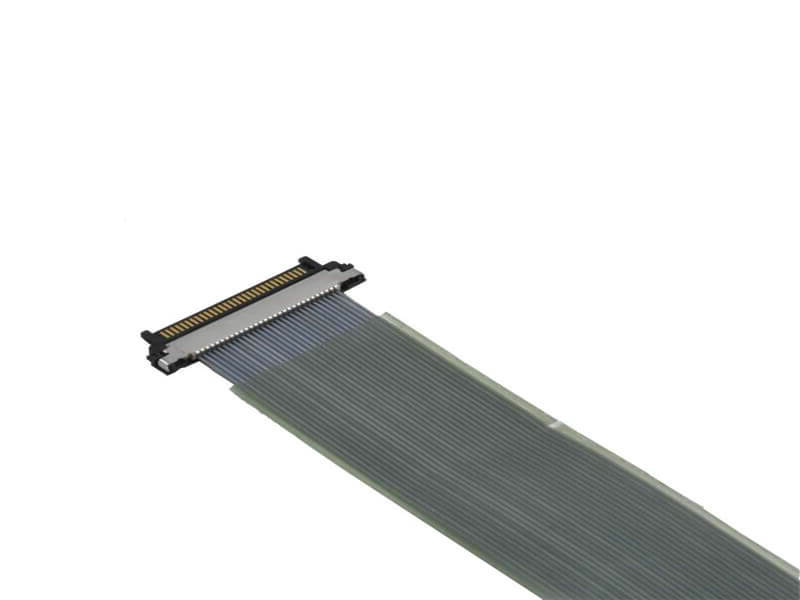
KEL Micro Coaxial Cable

KEL Micro Coaxial Cable

KEL’s Micro Coaxial Cable solutions are at the forefront of modern electronic connectivity, offering exceptional performance in high-speed data transmission, miniaturization, and reliability. These connectors are integral to various.
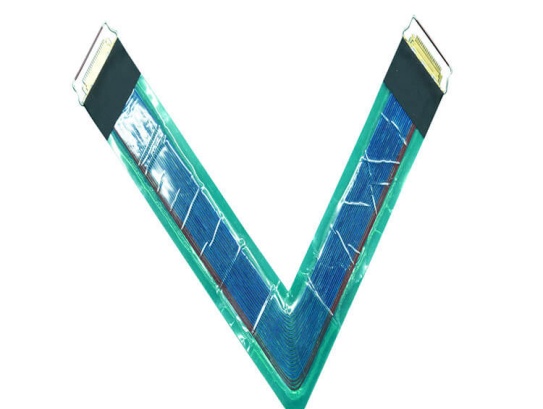
High-Temperature Resistant Micro-Coaxial Cable

High-Temperature Resistant Micro-Coaxial Cable

IntroductionThe ​High-Temperature Resistant Micro-Coaxial Cable is a cutting-edge connectivity solution engineered to deliver exceptional performance in extreme thermal environments. Combining precision engineering with advanced mate.

Contact Us Micro Coaxial Cable factory-(FRS).


Feel free to reach out to us for any inquiries or orders

Call Us

Have a question? Give us a call!

+8618818785005

Email Us

Send us an email and we'll get back to you soon.

sales@custom-cable-assemblies.com
       
Home Products Contact