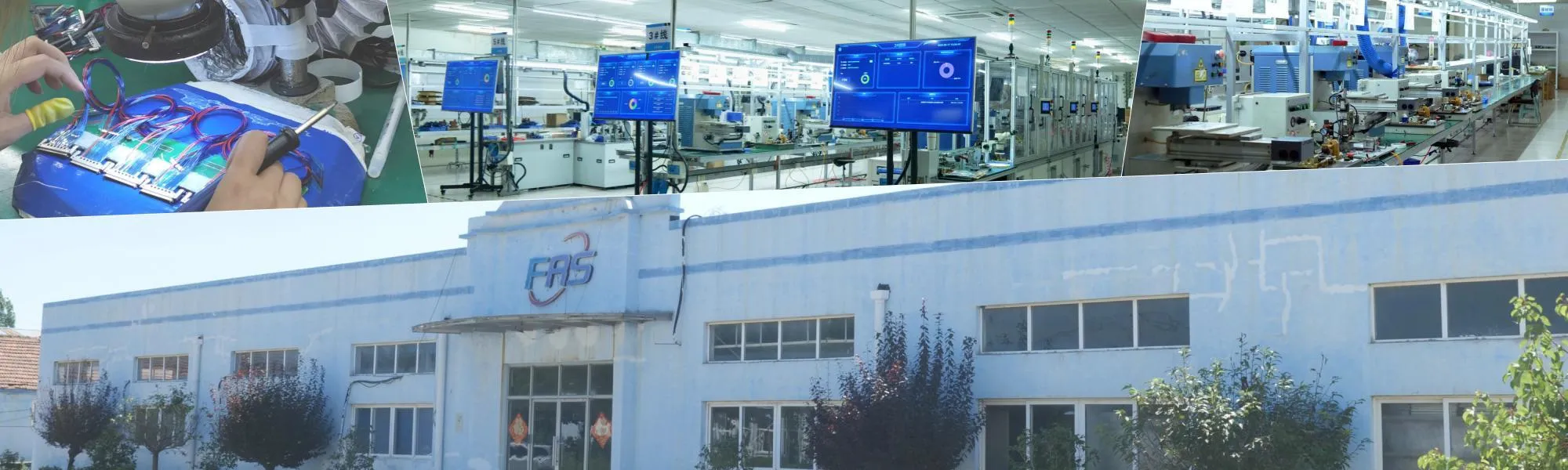
Micro Coaxial Cable factory-(FRS)
As electronic devices shrink and data rates skyrocket, engineers face a critical question: Does micro coaxial cable support higher frequencies than traditional coaxial cable?
The short answer is yes. While traditional coaxial cables remain the workhorse for long-distance RF distribution, micro coaxial cableis engineered specifically to handle the extreme demands of modern high-frequency applications, ranging from 5G mmWave to high-resolution automotive radar.
This article breaks down the technical reasons why micro coax outperforms its larger counterparts in high-frequency environments, helping you make the right choice for your next design.
Before diving into frequency limits, it is essential to understand the structural differences.
The most significant differentiator is the upper frequency limit.
Most standard flexible coaxial cables (like the RG series) begin to struggle as frequencies exceed 3 GHz to 6 GHz.
Micro coaxial cableis designed to mitigate these high-frequency losses.
Key Takeaway:If your application operates in the Sub-6GHz, mmWave (24GHz+), or high-speed data (PCIe, USB4)range, micro coaxial cable is the superior choice.
The ability to support higher frequencies isn’t magic—it’s physics and material science. Here are the three core reasons micro coax outperforms traditional cables at high speeds.
Traditional cables often use solid polyethylene (PE) or foam PE, which have higher dielectric constants and loss tangents.
Micro coaxial cablesutilize advanced fluoropolymers like PTFE (Teflon), FEP, or expanded PTFE. These materials offer:
At high frequencies, even minor variations in the distance between the center conductor and the shield can cause impedance mismatches, leading to signal reflection (Return Loss).
High-frequency signals are prone to radiating electromagnetic interference (EMI).
Choosing the right cable is about matching the tool to the job. Here is a quick guide for engineers and procurement specialists.
| Feature | Micro Coaxial Cable | Traditional Coaxial Cable |
|---|---|---|
| Best Use Case | Internal device wiring, Cameras, Sensors, 5G Phones | Building-to-building, Satellite TV, Antenna Feeds |
| Frequency Range | DC to >110 GHz | DC to ~6 GHz (Flexible types) |
| Size | Ultra-thin (< 1.0mm) | Thick (> 2.8mm) |
| Flexibility | High (excellent bend radius) | Moderate to Low |
| Attenuation | Low (per unit length at high freq) | Low (over long distances) |
So, does micro coaxial cable support higher frequencies? Absolutely.While traditional coaxial cable remains the king of long-distance transmission, micro coaxial cableis the undisputed champion of high-frequency, space-constrained applications.
By leveraging low-loss dielectrics and precision engineering, micro coax ensures that your high-speed signals arrive clean and intact, even in the most compact designs.
Are you designing for the next generation of high-frequency electronics?Contact our engineering team today to find the perfect micro coaxial cable solution for your project.
1. What is the maximum frequency for micro coaxial cable?
High-end micro coaxial cables can support frequencies up to 110 GHzor more, making them suitable for cutting-edge radar and 6G research applications .
2. Is micro coaxial cable better for 5G?
Yes, particularly for mmWave 5G(24GHz+). The low loss and small size of micro coax make it ideal for connecting compact 5G modules and antennas .
3. Can I replace traditional RG cables with micro coax?
Only if the distance is short (typically under 1-2 meters). For long runs ( > 10 meters), traditional low-loss coaxial cables or fiber optics are usually more effective due to lower attenuation over distance .
Our factory offers high-quality products at competitive prices
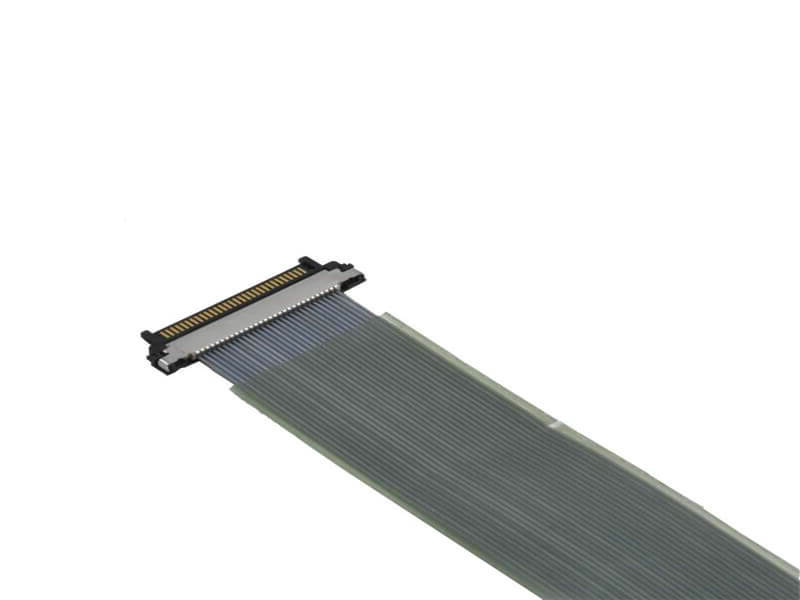
KEL’s Micro Coaxial Cable solutions are at the forefront of modern electronic connectivity, offering exceptional performance in high-speed data transmission, miniaturization, and reliability. These connectors are integral to various.
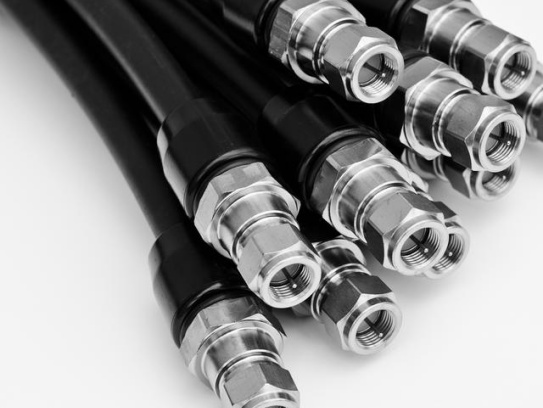
Meta Description: Discover the advanced features and benefits of Industrial Micro-Coaxial Wiring—engineered for precision, durability, and high-speed signal transmission in industrial environments. What is Industrial Micro-Co.
Feel free to reach out to us for any inquiries or orders