
Micro Coaxial Cable factory-(FRS)
Micro-coaxial cables are essential for transmitting high-frequency signals in compact spaces, but harsh environments with constant vibrations (e.g., aerospace, automotive, or industrial machinery) demand specialized designs. Choosing the wrong cable can lead to signal loss, wear, or failure. Here’s a practical guide to selecting robust micro-coaxial cables for high-vibration applications.
Our factory offers high-quality products at competitive prices
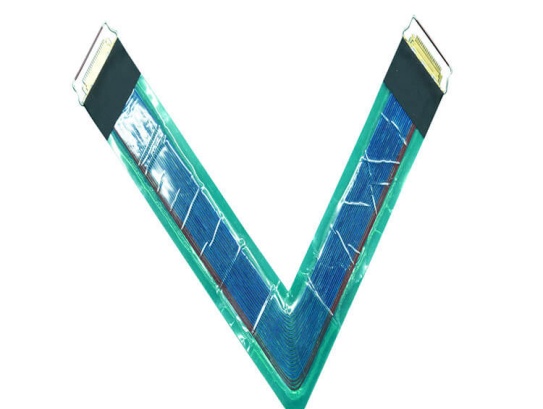
IntroductionThe High-Temperature Resistant Micro-Coaxial Cable is a cutting-edge connectivity solution engineered to deliver exceptional performance in extreme thermal environments. Combining precision engineering with advanced mate.
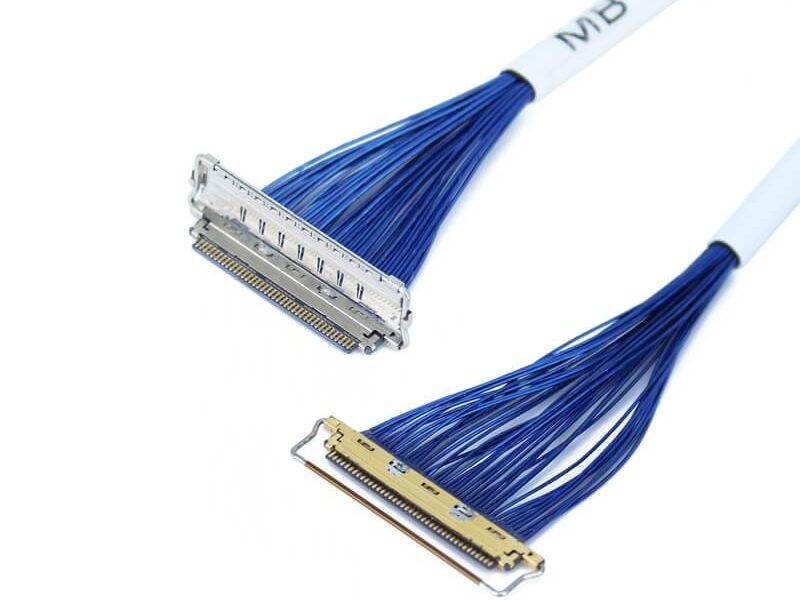
In LVDS (Low Voltage Differential Signaling) display systems, Micro-coaxial Cable (also referred to as Micro Coax Cable) stands out as an optimal solution for high-resolution, high-reliability signal transmission. Designed to meet the str.
Feel free to reach out to us for any inquiries or orders