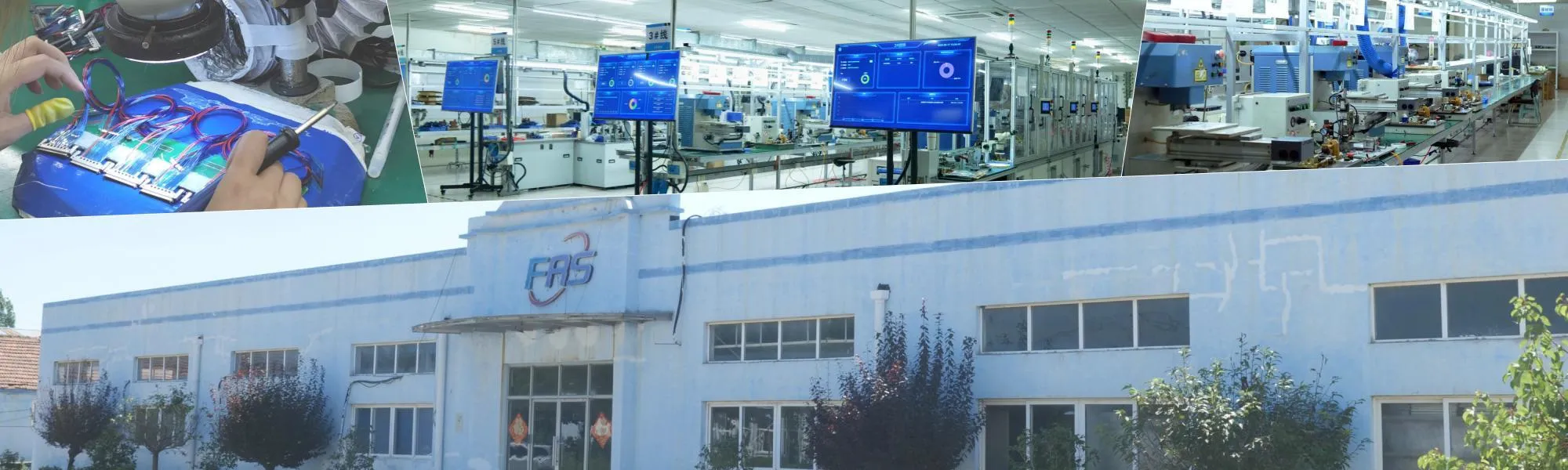
Micro Coaxial Cable factory-(FRS)
In modern electronics, micro coaxial cables are vital for high – frequency signal transmission. However, temperature is a significant environmental factor influencing their performance.
Micro coaxial cables consist of a central conductor (usually copper or alloy), an insulating dielectric (e.g., polyethylene, PTFE), and an outer metal shield. Their compact size enables efficient signal transmission across GHz frequencies, suitable for 5G, radar, and HD video applications.
Metals like copper in the central conductor see resistance increase by about 0.4% per °C rise. Increased atomic vibrations disrupt electron flow, leading to higher cable losses.
Dielectrics respond differently to temperature. PTFE – based dielectrics are stable, while materials like polyethylene may change. Temperature – induced changes in dielectric constant can slow signal speed and increase losses.
Differences in thermal expansion coefficients can cause thermal stress in the outer conductor. Repeated thermal cycling may fatigue the shield, reducing its interference – protection effectiveness.
Temperature raises insertion loss by increasing central conductor resistance and dielectric loss. For high – frequency cables, a 10°C increase can lead to an insertion loss increase of around 0.1 dB/m.
Temperature – related material expansion/contraction alters cable dimensions, changing impedance and increasing VSWR. A significant temperature change can worsen VSWR from 1.2:1 to 1.5:1 or higher, reducing signal efficiency.
Temperature affects the dielectric constant, impacting signal propagation speed and phase delay. In applications like radar, a 1°C change can cause a phase shift leading to calculation errors.
Used in extreme temperature environments, aerospace micro coaxial cables need materials with low – temperature coefficients and undergo thermal cycling tests.
In outdoor telecom installations, temperature can cause dropped connections in 5G base stations. Solutions include temperature – compensated cables and environmental controls.
In devices like smartphones, temperature changes can affect cable performance, reducing signal reception. Manufacturers optimize routing and insulation.
Choose central conductors with low temperature coefficients (e.g., silver – plated copper), stable dielectrics (e.g., PTFE), and outer conductors with matched thermal expansion.
Use geometries like helical – wound conductors to maintain impedance. Add insulation or heat – dissipating elements.
Employ heat sinks, fans, or insulation to control cable temperature, especially in data centers.
Our factory offers high-quality products at competitive prices
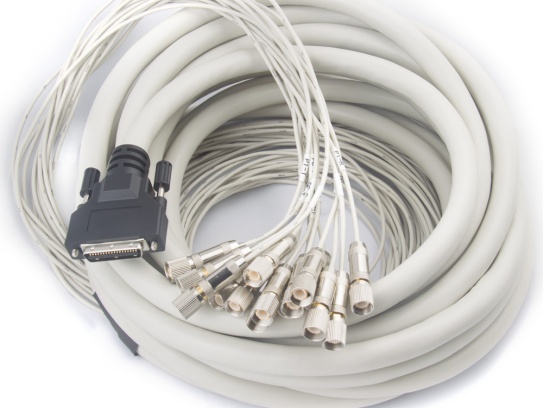
Meta Description: Discover our premium Flexible Micro-Coaxial Assemblies—engineered for high-frequency signal integrity, durability, and versatility in aerospace, medical, telecom, and robotics applications. What Are Flexible .
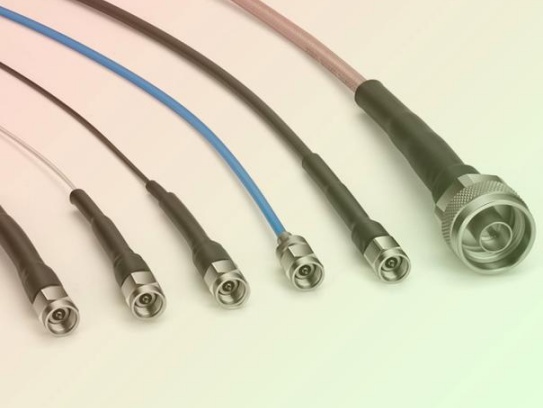
H1: Precision Instrument Micro-Coax – Engineered for Critical Signal Integrity Meta Description: Discover Precision Instrument Micro-Coax: Miniature coaxial cable solution optimized for high-frequency signal transmissio.
Feel free to reach out to us for any inquiries or orders