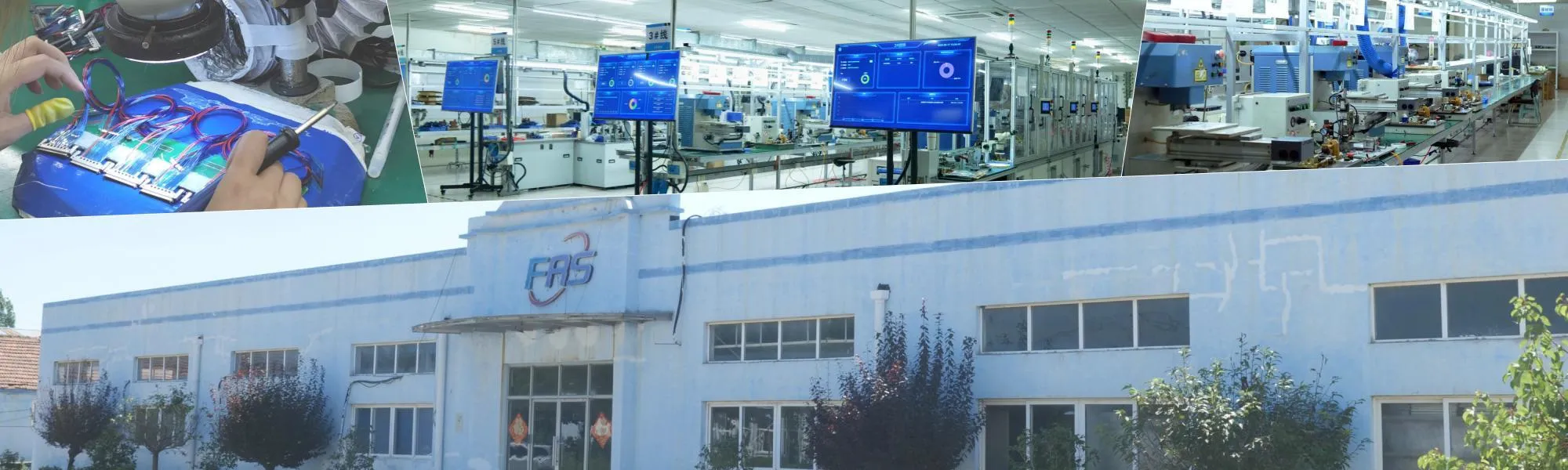
Micro Coaxial Cable factory-(FRS)
Industrial cable assemblies are critical components in aerospace, automotive, oil/gas, and military applications, where they must withstand extreme temperatures (-60°C to +200°C). Rigorous testing ensures reliability, safety, and compliance with standards like MIL-STD-810 or IEC 60571. This guide explores best practices for testing cables in harsh thermal conditions.
Our factory offers high-quality products at competitive prices
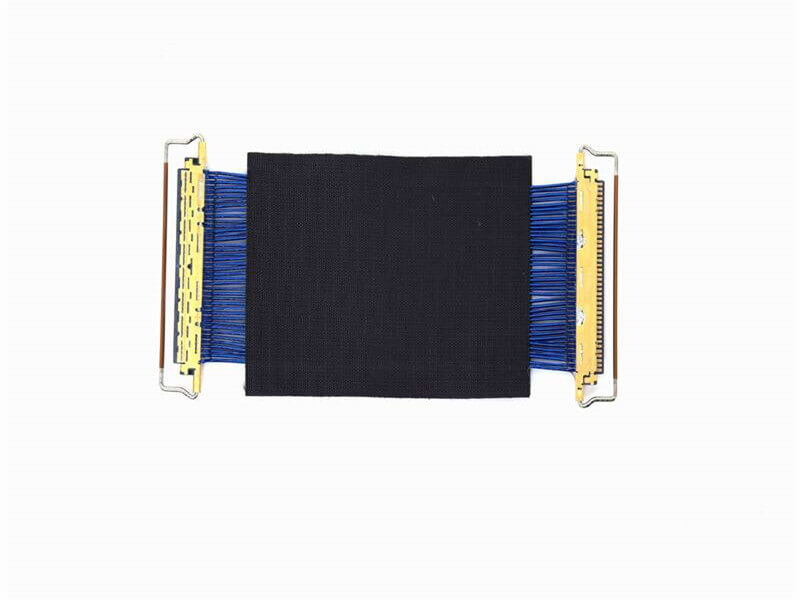
Micro Coaxial Cable: High-Quality Solutions for Precision Applications Micro coaxial cables are essential components in high-performance electronic applications, providing reliable signal transmission in compact and flexible designs. A.
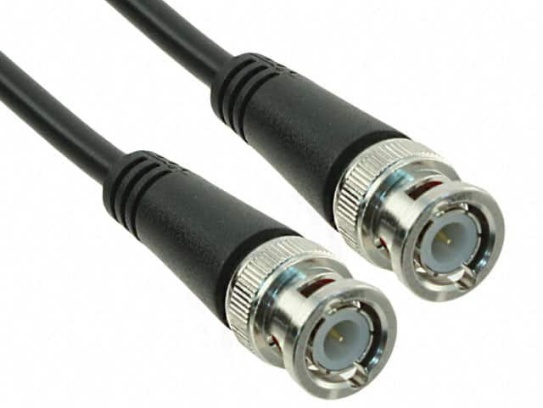
IntroductionIn today’s fast-paced digital world, reliable and high-speed data transmission is critical for industries ranging from telecommunications to aerospace. Enter High-Speed Data Micro-Coax—a cutting-edge miniature coaxial cable e.
Feel free to reach out to us for any inquiries or orders