In today’s complex electronics supply chain, the authenticity of Coaxial Cable Assemblies is critical to the performance, reliability, and safety of end products. Whether used in telecommunications, aerospace, medical equipment, or industrial automation, counterfeit or substandard coaxial cable assemblies can lead to signal loss, system failures, and even costly downtime. For buyers, engineers, and procurement professionals, knowing how to effectively verify the authenticity of these components is not just a matter of quality control but also a strategic step to protect their operations and reputation. This comprehensive guide will walk you through the key methods and considerations to ensure that the Coaxial Cable Assemblies you purchase are genuine and meet the required specifications.
1. Start with Visual Inspection: The First Line of Defense
A thorough visual inspection is often the initial and most accessible way to spot potential inauthenticity in Coaxial Cable Assemblies. Counterfeit products typically cut corners on materials and manufacturing, leading to noticeable discrepancies in appearance. Here are the key visual cues to examine:
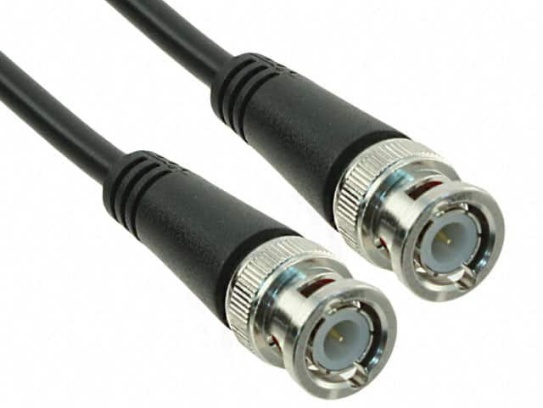
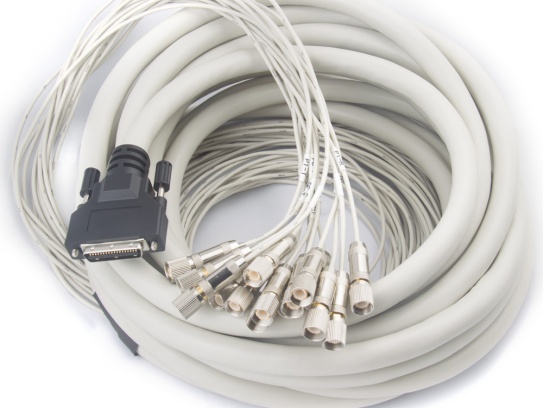
- Cable Jacket Quality: Genuine coaxial cables use high-grade jackets made from materials like PVC, PTFE, or polyethylene, which are smooth, uniform in thickness, and free from bubbles, cracks, or uneven coloring. Counterfeit cables may have rough surfaces, inconsistent diameters, or jackets that feel flimsy. Additionally, check for signs of poor extrusion, such as overlapping seams or irregularities in the jacket’s texture.
- Connector Craftsmanship: The connectors (e.g., SMA, N-type, BNC) of authentic Coaxial Cable Assemblies are precision-machined with clean threads, smooth plating (often gold or nickel), and no signs of corrosion, burrs, or misalignment. Counterfeit connectors may have uneven plating, stripped threads, loose parts, or ill-fitting shells. Pay attention to the connector-body material—genuine ones are usually made of brass or high-quality alloy, while fakes might use cheaper metals that feel lighter or look dull.
- Markings and Labeling: Legitimate manufacturers clearly mark their Coaxial Cable Assemblies with essential information, including the brand name, model number, cable type (e.g., RG-58, RG-6), impedance (50Ω or 75Ω), and sometimes the manufacturing date or lot code. These markings should be crisp, permanent, and not easily smudged or removed. Counterfeit products may have模糊 (blurry) markings, incorrect model numbers, or missing critical information. Some fakes even try to replicate brand logos but fail to match the exact font, spacing, or color of the genuine ones.
2. Verify Physical Specifications: Match Against Datasheets
After the visual check, the next step is to cross-verify the physical specifications of the Coaxial Cable Assemblies against the manufacturer’s official datasheet. This requires measuring key parameters to ensure they align with the stated values. Here’s what to measure:
- Cable Diameter and Length: Use a caliper to measure the outer diameter of the cable jacket and the inner conductor. Compare these measurements to the datasheet—counterfeit cables often have deviations in diameter, which can affect impedance and signal transmission. Additionally, check the overall length of the assembly; fakes may be shorter than advertised to save material costs.
- Impedance Consistency: While impedance is an electrical property, some physical factors (like the ratio of inner conductor diameter to outer shield diameter) influence it. If you have access to an impedance checker, test the cable’s impedance along its length. Genuine Coaxial Cable Assemblies maintain a consistent impedance (e.g., 50Ω for most RF applications), while counterfeits may show fluctuations.
- Weight: Authentic cables use high-quality materials, so their weight should match the datasheet’s specifications. Counterfeit cables, which often use thinner conductors or lower-density jackets, may be significantly lighter. A simple weight comparison can be a quick red flag.
3. Conduct Electrical Performance Testing: Ensure Functional Integrity
Even if Coaxial Cable Assemblies pass visual and physical checks, their electrical performance is the ultimate indicator of authenticity and quality. Counterfeit products often fail to meet performance standards, leading to signal degradation or system malfunctions. Key electrical tests include:
- Insertion Loss: Insertion loss measures the amount of signal power lost as it travels through the cable assembly. Use a network analyzer to test insertion loss across the intended frequency range. Genuine Coaxial Cable Assemblies have low and consistent insertion loss, as specified in the datasheet. Counterfeits may exhibit higher insertion loss, especially at higher frequencies, due to poor conductor materials or improper shielding.
- Return Loss/Voltage Standing Wave Ratio (VSWR): Return loss (measured in dB) indicates how much signal is reflected back from the cable assembly, while VSWR is the ratio of the maximum to minimum voltage in the standing wave. A low VSWR (typically below 1.5:1 for high-quality assemblies) means minimal signal reflection. Counterfeit cables often have high VSWR due to impedance mismatches, faulty connectors, or poor cable construction.
- Shielding Effectiveness: Coaxial cables rely on their outer shield to prevent electromagnetic interference (EMI) from entering or exiting the cable. Test shielding effectiveness using an EMI test chamber or a near-field probe. Genuine Coaxial Cable Assemblies have robust shielding (e.g., braided, foil, or combination shields) that provides high attenuation of EMI. Counterfeits may use thin or incomplete shielding, leading to increased susceptibility to interference.
- Phase Stability: For applications requiring precise signal timing (e.g., radar, satellite communications), phase stability is crucial. Test the phase shift of the cable assembly as the frequency or temperature changes. Authentic assemblies maintain stable phase performance, while counterfeits may show erratic phase shifts due to inconsistent materials.
4. Trace the Supply Chain: Source from Authorized Channels
The supply chain is a critical factor in ensuring the authenticity of Coaxial Cable Assemblies. Purchasing from unauthorized distributors or third-party sellers increases the risk of buying counterfeit products. Here’s how to secure your supply chain:
- Buy from Authorized Distributors: Most reputable manufacturers (like FRS) have a network of authorized distributors. These distributors undergo strict vetting and only stock genuine products. Check the manufacturer’s official website to confirm if your supplier is an authorized partner.
- Request Certificate of Authenticity (COA): A valid COA provides proof that the Coaxial Cable Assemblies are genuine. It should include details such as the product model, serial number, manufacturing date, and the manufacturer’s official seal. Be wary of suppliers who cannot provide a COA or offer generic, un verifiable documents.
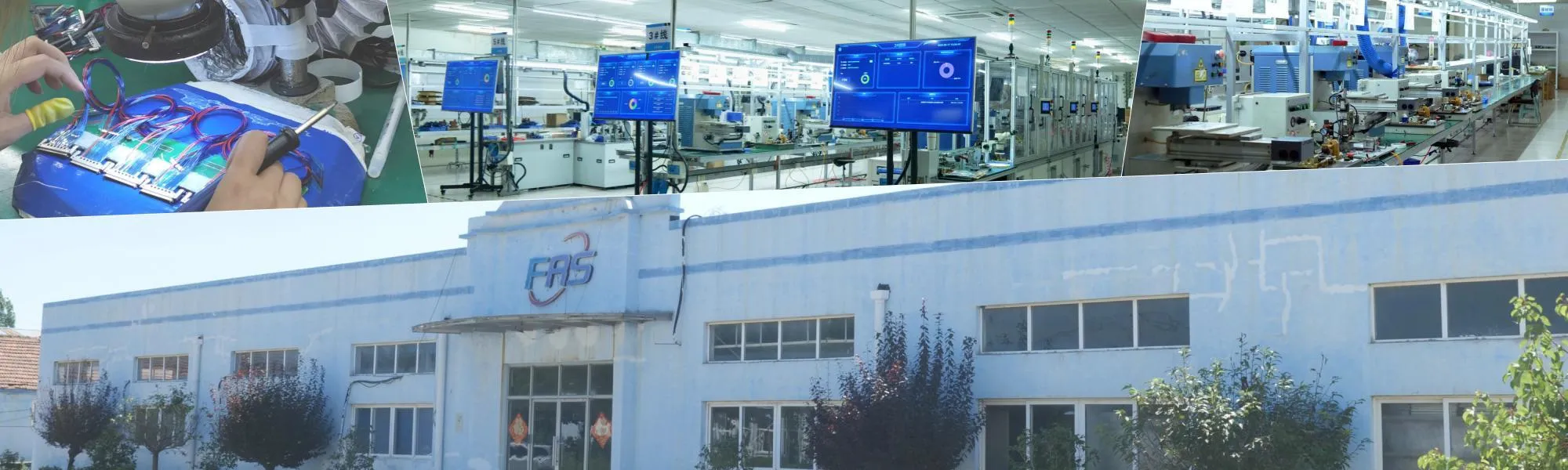
- Audit Supplier Facilities: For large or critical orders, consider auditing the supplier’s facilities to ensure they have proper quality control processes in place. Genuine manufacturers maintain clean, organized production lines and use calibrated testing equipment. Counterfeit operations often operate in unregulated environments with minimal quality checks.
- Check for Batch-Lot Traceability: Authentic Coaxial Cable Assemblies are traceable by batch or lot number. This allows manufacturers to recall products if issues arise and provides buyers with transparency into the production process. Ask the supplier for batch-lot information and verify it with the manufacturer if necessary.
5. Leverage Manufacturer Resources: Authenticate Directly
Manufacturers of genuine Coaxial Cable Assemblies often provide tools and resources to help buyers verify authenticity. Take advantage of these resources to confirm your products:
- Online Authentication Portals: Some manufacturers offer online portals where buyers can enter the product’s serial number or lot code to verify its authenticity. These portals cross-reference the information with the manufacturer’s database, providing instant confirmation.
- Technical Support Verification: Contact the manufacturer’s technical support team with the product’s details (model number, serial number, markings). They can verify if the product matches their production records and answer any questions about its specifications.
- Compare with Sample Products: If you have access to a known genuine sample of the same Coaxial Cable Assembly, compare it side-by-side with the product in question. Pay attention to all the factors mentioned earlier—visual details, physical specifications, and even the feel of the cable and connectors. Subtle differences can indicate a counterfeit.
6. Be Wary of Red Flags: Common Signs of Counterfeit Coaxial Cable Assemblies
In addition to the above methods, being aware of common red flags can help you avoid purchasing counterfeit Coaxial Cable Assemblies. Watch out for the following:
- Unrealistically Low Prices: If a deal seems too good to be true, it probably is. Counterfeit products are often priced significantly lower than genuine ones to attract buyers. Compare prices across authorized distributors to get a sense of the market rate.
- Limited Product Information: Suppliers of counterfeit Coaxial Cable Assemblies may provide vague or incomplete product details, such as missing datasheets, unclear specifications, or generic descriptions. Genuine suppliers are transparent about their products and readily provide technical documentation.
- Slow or Evasive Responses: When asked about authenticity, COAs, or supply chain details, counterfeit suppliers may give slow, evasive, or inconsistent answers. Genuine suppliers are responsive and confident in providing verification information.
- Packaging Discrepancies: Authentic Coaxial Cable Assemblies come in high-quality packaging with consistent branding, clear labeling, and protective materials. Counterfeit packaging may be flimsy, have misspelled words, or use low-quality printing.
Why Authenticity Matters for Coaxial Cable Assemblies
The consequences of using counterfeit or inauthentic Coaxial Cable Assemblies extend far beyond just poor performance. In telecommunications, signal loss can lead to dropped calls, slow data speeds, and reduced network coverage. In aerospace and defense, faulty cables can compromise mission-critical systems, posing safety risks. In medical equipment, unreliable signal transmission can affect the accuracy of diagnostic tools, endangering patient lives. Additionally, counterfeit products often have shorter lifespans, leading to frequent replacements and increased maintenance costs. Investing in genuine Coaxial Cable Assemblies is therefore a cost-effective and risk-mitigation strategy for any business.
Choose FRS: Your Trusted Partner for Genuine Coaxial Cable Assemblies
When it comes to verifying the authenticity of Coaxial Cable Assemblies, nothing beats sourcing from a manufacturer that prioritizes quality, transparency, and customer trust—like FRS. As a leading factory specializing in Coaxial Cable Assemblies, FRS adheres to the strictest manufacturing standards and implements rigorous quality control processes at every stage of production.
At FRS, every Coaxial Cable Assembly undergoes comprehensive testing, including insertion loss, VSWR, shielding effectiveness, and phase stability, to ensure it meets or exceeds industry specifications. Our products are clearly marked with unique serial numbers and batch codes, enabling full traceability and easy authentication through our online portal or technical support team. We also provide official COAs for every order, giving you peace of mind that you’re receiving genuine, high-performance components.
FRS understands the importance of a reliable supply chain, which is why we work only with authorized distributors and maintain transparent production practices. Our state-of-the-art facilities are equipped with advanced testing equipment and staffed by experienced engineers who are committed to delivering excellence. Whether you need standard or custom Coaxial Cable Assemblies for telecommunications, aerospace, medical, or industrial applications, FRS has the expertise and resources to meet your needs.
Don’t risk the performance and safety of your systems with counterfeit Coaxial Cable Assemblies. Choose FRS as your trusted partner, and experience the difference that genuine, high-quality components can make. Contact us today to learn more about our products and how we can support your business.