Micro coaxial cable is a critical component for high-frequency, high-density connections in modern electronics. This guide answers common questions and provides a practical roadmap for selecting the right cable for your application.
What is a Micro Coaxial Cable?
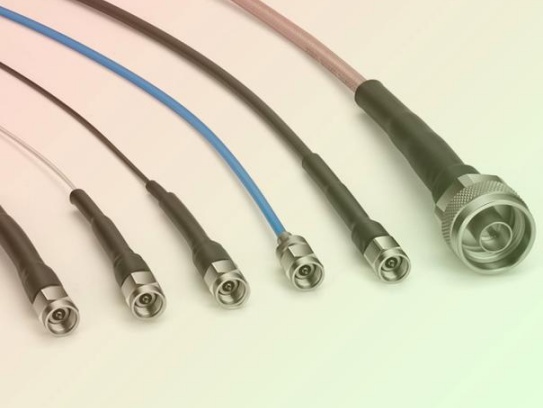
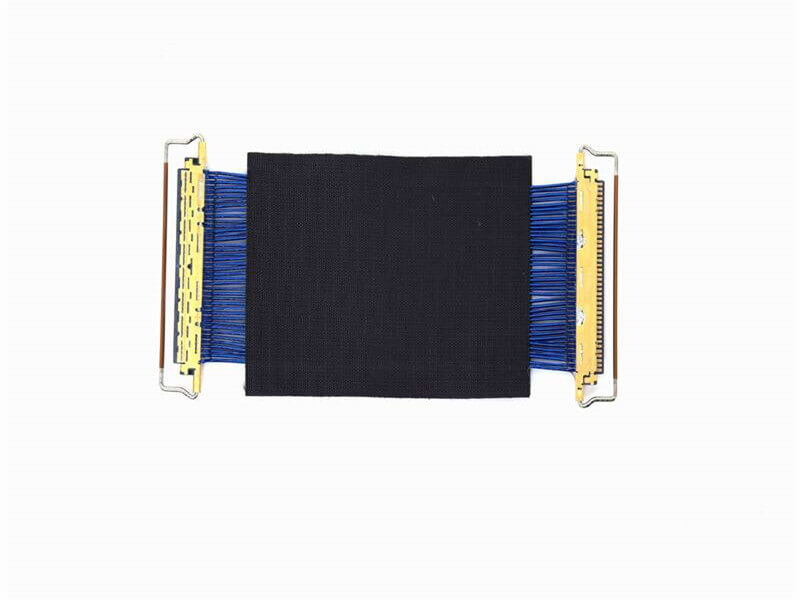
A micro coaxial cableis a miniaturized coaxial cable engineered for high-frequency signal transmission with minimal loss and interference. It’s a critical component in devices where space is limited but performance is paramount.
Key Applications:
Consumer Electronics: Laptops, tablets, smartphones, VR/AR headsets, and wearable devices.
Medical Devices: Endoscopes, ultrasound probes, patient monitors, and surgical robots.
Automotive & Mobility: ADAS cameras, in-vehicle displays, and high-speed data links.
Industrial & Test Equipment: High-speed test leads, measurement instruments, and industrial cameras.
Telecom & Aerospace: 5G infrastructure, base stations, and aerospace/defense systems.
How Small is “Micro” Coaxial Cable?
“Micro” is a relative term, but in practice, it refers to cables with an outer diameter (OD) of roughly 0.2–1.2 mm.
Ultra-fine: 0.2–0.4 mm, used in high-end medical probes and ultra-compact cameras.
Common Fine: 0.4–0.8 mm, typical for smartphone and laptop internal links.
General Micro: 0.8–1.2 mm, used where more mechanical robustness is needed.
The smaller the diameter, the more challenging it is to maintain low loss, impedance control, and shielding effectiveness.
Key Electrical Parameters
When evaluating a micro coaxial cable, ensure they can provide detailed specifications for the following parameters:
Impedance: Most common are 50 Ωand 75 Ω. Mismatched impedance is a primary cause of signal reflection and loss.
Attenuation (Insertion Loss): The signal loss over distance, specified in dB/m. It varies with frequency and must be considered for high-speed or long-distance runs.
Capacitance & Velocity of Propagation: Affects signal timing and integrity, especially in high-speed digital applications.
Shielding Effectiveness: Essential for preventing EMI/RFI. Look for high coverage braid, foil, or dual shielding.
Operating Temperature: High-temp resistantcables use materials like PFA/FEP for stable performance in harsh environments (-70°C to +200°C).
Flexibility & Bend Radius: Crucial for applications with moving parts. Ultra-fine cables (e.g., 46–50 AWG) offer high flexibility but require careful handling.
Voltage Rating & Compliance: Ensure the cable meets required voltage ratings and international standards like RoHS, REACH, and UL.
How Fast Can a Micro Coaxial Cable Run?
The data rate a micro coaxial cablecan support depends on a combination of factors:
Cable Length: Attenuation increases with length, especially at higher frequencies.
Cable Construction: Conductor size, dielectric material (e.g., PTFE, FEP), and shielding all impact loss.
Connector Quality: Poorly matched or terminated connectors are a common cause of signal failure.
Channel Design: The overall channel, including PCB traces and vias, must be impedance-controlled.
General Performance Guidelines:
1–10 Gbps: Common for many MIPI, LVDS, and USB 3.0/3.x links.
10–20 Gbps: Achievable with high-quality cables in lengths of a few tens of centimeters.
30–40 Gbps: Possible in very short, well-designed channels using top-tier materials and precision assembly.
For new designs, it’s wise to target a safe margin below the theoretical maximumto ensure reliable performance over temperature and time.
Micro Coaxial Cable vs. Other Cables
Feature
Micro Coaxial Cable
FFC/FPC (Flexible Flat Cable)
Multi-Conductor Cable
EMI Shielding
Excellent (individual shielding)
Poor to moderate
Poor unless shielded
Signal Integrity
High (stable impedance)
Degrades at high frequencies
Degrades at high frequencies
Flexibility
Good, but with a bend radius
Excellent
Good
Space Efficiency
High (round profile)
Very high (thin and flat)
Moderate
Best For
High-speed, high-frequency, noisy environments
Low-speed, cost-sensitive connections
Power and low-speed signal mixing
In summary:Use micro coaxial cablewhen you need to protect high-frequency signals from noise and maintain signal integrity in a compact space.
How to Choose the Right Micro Coaxial Cable
A reliable micro coaxial cable manufacturershould offer more than just a catalog. Look for these capabilities:
Define Your Electrical Specs: Start with frequency, data rate, and maximum length to determine the required impedance and attenuation.
Match the Mechanical & Environmental Needs: Consider bending, vibration, temperature, and chemical exposure to select the right construction.
Select the Right Shielding: Choose a shielding structure (braid, foil, or combination) based on the EMI environment.
Choose the Right Connector: Ensure compatibility with your PCB footprint and mating cycles.
Partner with a Capable Manufacturer: Look for a partner with strong engineering support, in-house testing, and a track record of quality.
Why Partner with FRS as Your Micro Coaxial Cable Manufacturer?
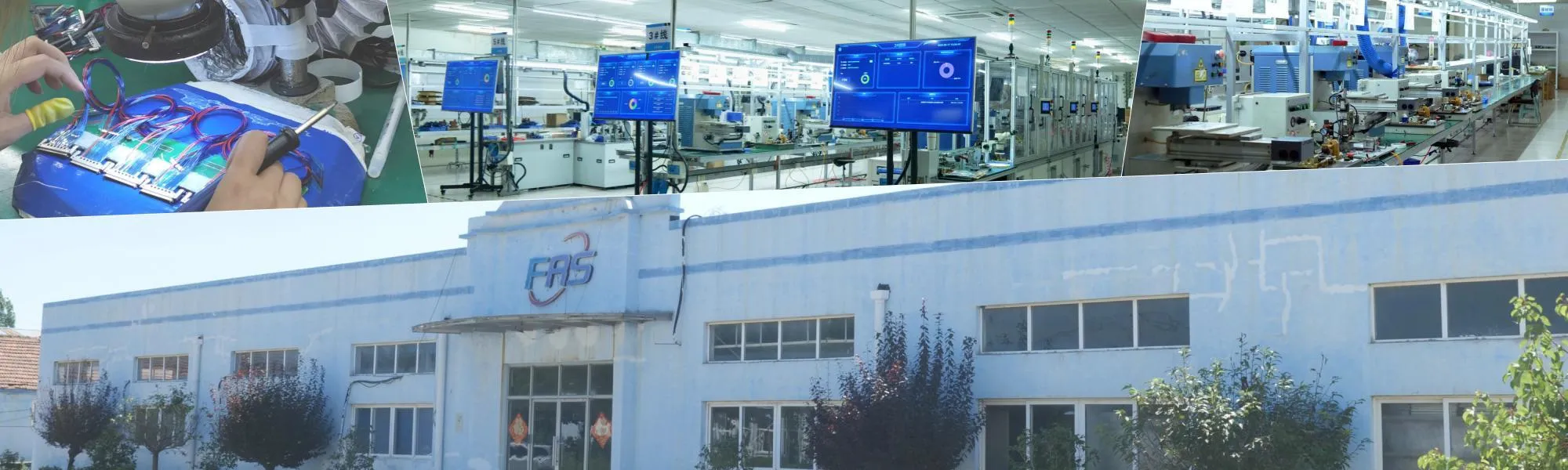
FRSis a specialized micro coaxial cable manufacturerwith over 20 years of experience. We are committed to being a long-term partner for your business.
Our High-Temperature Resistant Solutions
Premium Materials: We use high-purity copper conductors and PFA/FEP insulation for superior thermal stability and low loss.
Diverse Product Range: Our portfolio covers a wide spectrum, from 32–50 AWG micro-coax to complex multi-cable harnesses.
Rigorous Quality Control: Every cable undergoes a 100% electrical performance test before shipment to ensure signal integrity.
Factory Price & Quality Guaranteed
Direct Factory Pricing: By managing our own production chain, we offer competitive prices without compromising quality.
Certified Quality Management: Our systems are certified to ISO 9001, IATF 16949, ISO 13485, and UL, ensuring consistent quality.
Fast & Flexible Delivery: We support both small-batch prototyping and large-scale production runs with short lead times.
Comprehensive Support
Expert Engineering Team: Our engineers provide full support from initial design and prototyping to testing and mass production.
Wide Application Coverage: We serve diverse industries, including medical, automotive, industrial, and consumer electronics, providing tailored solutions for each.
Start Your Project with FRS Today
Choosing the right micro coaxial cable manufactureris an investment in your product’s success. Don’t let cable issues hold back your innovation.
Contact FRS now for a free consultation or quotation. Let our team be your reliable partner for all your high-performance micro coaxial cable needs.
In the relentless pursuit of faster data rates, higher frequencies, and miniaturized electronics, micro coaxial cables have become indispensable. These tiny workhorses connect intricate components within smartphones, wearables, ad...
In the realm of modern communication, coaxial cables stand as vital components, facilitating the transmission of high-frequency signals across various sectors such as telecommunications, broadcasting, and data centers. The conductivity ...
Micro coaxial cable with PTFE (polytetrafluoroethylene) insulation is a high-performance interconnect solution designed for applications where space is limited, signal integrity is critical, and environmental conditions are demanding. I...
Coaxial cable assemblies are critical components in countless electronic systems, from telecommunications and aerospace to medical devices and industrial automation. Their performance directly impacts the reliability, signal integrity, ...
Working with micro coaxial cables (common in electronics, drones, cameras, medical devices, and communications) requires precision tools due to their tiny size and delicate construction. Using the wrong tools can easily damage the cable...
Self-driving cars are marvels of modern technology, relying on a complex array of eyes and ears – sensors like cameras, radar, LiDAR, and ultrasonics – to perceive the world. But what carries the massive amounts of data these sensors ge...
In the rapidly evolving technological landscape, electromagnetic interference (EMI) has become a major issue as electronic devices proliferate. Shielded coaxial cables are a proven solution, ensuring reliable signal transmission by prev...
Ordering bulk quantities of coaxial cable assemblies is a critical task for businesses across industries such as telecommunications, aerospace, automotive, and medical equipment manufacturing. The process requires careful planning and a...
Ensuring the reliability and performance of micro coaxial cable assemblies before they are integrated into your system is critical. Faulty cables can lead to system failures, costly downtime, and difficult troubleshooting late...
The Next Frontier in IoT Connectivity
As IoT networks expand to 75 billion devices by 2025 (per Statista), legacy cabling solutions struggle with bandwidth demands. Micro-coaxial cables—featuring diameters under 1mm—are emerging as a...
In the hospitality industry, a stable, high-performance network is a cornerstone of guest satisfaction and operational efficiency. From guests streaming videos in rooms to hotels managing real-time CCTV, POS systems, and back-office dat...
In the realm of wireless communication, where data speeds, signal integrity, and network reliability are paramount, coaxial cable assemblies stand as unsung heroes. These specialized components serve as the critical link between antenna...
Coaxial cable assemblies play a crucial role in signal transmission across various industries, from telecommunications and aerospace to medical equipment and consumer electronics. Among the key components determining their performance, ...
Coaxial cables are vital for transmitting high-frequency signals in various applications, from home TV setups to professional communication systems. Proper maintenance and care can significantly extend their lifespan, ensure consistent ...
Micro coaxial cables, those incredibly thin cables thinner than a human hair in many cases, are the unsung heroes enabling the high-speed, compact electronics we rely on daily. From 5G smartphones and advanced medical imaging to militar...
The question of whether coaxial cable assemblies are compatible with fiber optic systems is a common one among engineers, IT professionals, and system integrators tasked with building or upgrading communication networks. In short, coaxi...
Underground installation of communication and signal transmission cables is a common practice in many industries, from telecommunications and broadcasting to industrial automation and security systems. However, choosing the right cable ...
In the complex landscape of industrial operations, the reliability of connectivity solutions directly impacts productivity, safety, and operational efficiency. Harsh industrial environments—characterized by extreme temperatures, moistur...
Coaxial cable assemblies are essential components in various industries, from telecommunications and aerospace to medical equipment and consumer electronics. When purchasing them online, comparing prices is a crucial step to ensure you ...
Choosing the perfect micro coaxial cable can feel overwhelming with so many options available. But fear not! Selecting the right one is crucial for ensuring your electronic devices or systems perform reliably. This guide breaks down the...
For enterprises that rely heavily on coaxial cables, prolonged delivery time can bring about a series of troubles, such as delayed projects and increased costs. However, the recent logistics reform has brought good news to the industry,...
In the realm of military operations, seamless and secure communication is not just a convenience but a critical determinant of mission success and the safety of personnel. Amidst the array of technologies that enable this, coaxial cable...
For ham radio operators and amateur communicators, the coaxial cable is far more than a “connecting wire”—it is the lifeline of signal integrity. A poorly chosen or installed coaxial cable can lead to significant signal loss...
The relentless hum, the powerful thuds, the constant tremors – heavy machinery operates in a world dominated by vibration. While essential for demanding industrial tasks, this vibration poses a silent, pervasive threat to the intricate...
In the dynamic world of stadiums and arenas, where thousands gather to cheer for their favorite teams or enjoy live performances, a seamless audio-visual (AV) experience is non-negotiable. From giant video screens displaying instant rep...
We are thrilled to announce that our factory’s coaxial cable has been shortlisted for the Top 10 Products in the industry. This recognition is a testament to our commitment to quality, innovation, and meeting the diverse needs of ...
Virtual Reality (VR) promises unparalleled immersion, transporting users to meticulously crafted digital worlds. Yet, the magic can quickly shatter if the visuals stutter, lag, or lack clarity. Delivering the massive amounts of high-fid...
Selecting the right dielectric material for micro coaxial cables is critical for high-frequency performance, reliability, and cost-effectiveness. Polytetrafluoroethylene (PTFE) and Polyethylene (PE) are the two dominant contenders. Unde...
In the modern healthcare system, a stable and efficient network is not just a support system but a critical component that directly impacts patient care, medical workflow, and data security. Hospitals handle massive volumes of sensitive...
In industries ranging from aerospace to industrial manufacturing, coaxial cables serve as critical components for transmitting high-frequency signals with minimal loss. However, extreme temperature environments have long posed challenge...
The global smart grid market is projected to reach USD 42.56 billion by 2032, driven by the urgent need for energy efficiency, renewable integration, and real-time grid management. At the core of this transformation lies a critical yet ...
Coaxial cables are widely used for transmitting high-frequency signals in telecommunications, broadcasting, and networking. Their performance, particularly transmission speed (data rate), depends on factors like cable design, shieldin...
In the realm of radio frequency (RF) systems, where precision and reliability are paramount, micro-coaxial cables have emerged as a critical component for transmitting high-frequency signals with minimal loss and interference. These com...
The Hidden Backbone of Smart Farms
Micro-coaxial cables (often thinner than 2mm) are revolutionizing agriculture by reliably transmitting data between sensors, drones, and automated equipment. These miniature cables withstand harsh f...
In the era of rapid development of 5G communication, satellite navigation, and high – speed data transmission, coaxial cables, as the core medium for signal transmission, face increasingly strict requirements for high – freq...
Modern trains are marvels of engineering, relying on complex electronic systems for safe and efficient operation. At the heart of these systems – controlling everything from signaling and automatic train protection (ATP) to door control...
In industries ranging from power transmission to telecommunications, coaxial cables are often exposed to high – voltage environments. A passed high – voltage resistance test is not just a routine certification; it is a criti...
In today’s digital age, high-speed data transmission has become a core demand for industries ranging from telecommunications and security monitoring to data centers and aerospace. Whether it is 5G base station signal backhaul, 4K/8K hig...
In the harsh and demanding environment of marine operations, reliable communication and data transmission are critical for safety, navigation, and operational efficiency. Among the essential components enabling these functions are marin...
H1: Precision Instrument Micro-Coax – Engineered for Critical Signal Integrity
Meta Description: Discover Precision Instrument Micro-Coax: Miniature coaxial cable solution optimized for high-frequency signal transmissio.
Micro Coaxial Cable: High-Quality Solutions for Precision Applications
Micro coaxial cables are essential components in high-performance electronic applications, providing reliable signal transmission in compact and flexible designs. A.
Contact Us Micro Coaxial Cable factory-(FRS).
Feel free to reach out to us for any inquiries or orders