Micro Coaxial Cable-Micro Coaxial Cable factory-(FRS)-FRS
In the rapidly evolving landscape of electronic components, micro-coaxial cables stand as a critical backbone for high-speed data transmission, signal integrity, and miniaturized device connectivity. As industries like consumer electronics, automotive, medical devices, and industrial automation push toward smaller, more durable, and high-performance systems, the demand for specialized micro-coaxial cables has never been higher. Among these specialized variants, micro-coaxial cables with abrasion resistance have emerged as a game-changer, addressing the persistent challenge of cable degradation due to friction, mechanical wear, and harsh operating environments. This article delves into the key features, applications, technical advantages, and why choosing the right manufacturer matters when it comes to abrasion-resistant micro-coaxial cables.
Before exploring abrasion resistance, it’s essential to grasp the fundamental role of micro-coaxial cables. Unlike standard coaxial cables, micro-coaxial cables are designed with ultra-small diameters (typically ranging from 0.1mm to 1.0mm), making them ideal for space-constrained applications where traditional cables would be too bulky. They consist of a central conductor (usually made of copper or copper alloy for optimal conductivity), a dielectric layer (to insulate the conductor and maintain signal integrity), a shielding layer (to prevent electromagnetic interference, EMI), and an outer jacket (the protective layer that directly faces environmental stressors).
The performance of micro-coaxial cables hinges on each component: the conductor ensures low signal loss, the dielectric maintains impedance stability, the shield blocks interference, and the outer jacket safeguards the entire structure. For applications where cables are subject to repeated movement, contact with other components, or exposure to abrasive substances, the outer jacket’s durability—specifically its abrasion resistance—becomes a make-or-break factor.
Abrasion resistance refers to a cable’s ability to withstand wear, scraping, or rubbing without compromising its structural integrity or performance. In many real-world scenarios, micro-coaxial cables are installed in tight spaces where they come into contact with metal edges, plastic components, or moving parts. Over time, this contact can erode the outer jacket, exposing the shielding layer or even the dielectric and conductor. Such damage leads to a cascade of issues: EMI infiltration, signal degradation, short circuits, and ultimately, system failure.
For example, in a robotics application, micro-coaxial cables routing signals between a robot’s arm and control unit are constantly bent and rubbed against metal joints. Without abrasion resistance, the jacket would quickly wear thin, causing signal drops that disrupt the robot’s precision. Similarly, in medical devices like endoscopes, cables must navigate through narrow channels and withstand repeated sterilization processes—abrasion resistance ensures they remain functional and sterile over countless uses.
Thus, abrasion-resistant micro-coaxial cables are not just a “nice-to-have” feature but a necessity for industries where reliability, longevity, and minimal downtime are non-negotiable.
Top-tier micro-coaxial cables with abrasion resistance incorporate several advanced design and material innovations to deliver superior performance. Below are the most critical features to look for:
The outer jacket is the first line of defense against abrasion, so manufacturers use high-performance polymers engineered for durability. Common materials include:
While the jacket takes the brunt of abrasion, reinforced shielding adds an extra layer of protection. Many abrasion-resistant micro-coaxial cables use braided shielding made of tinned copper or aluminum-mylar, which not only blocks EMI but also resists tearing if the jacket is slightly damaged. Some high-end variants even feature double shielding (braid + foil) for maximum durability and signal integrity.
Abrasion resistance isn’t just about the outer layers—internal components must also be robust. High-quality cables use stranded conductors (instead of solid) for increased flexibility and resistance to breakage under stress. The dielectric layer, often made of foam polyethylene or fluoropolymers, is engineered to maintain its shape and insulation properties even if the jacket is worn, preventing signal leakage.
Reliable manufacturers subject their cables to industry-standard abrasion tests to validate performance. For example, the IEC 60811-2-1 standard specifies a “abrasion test” where a cable is rubbed against a sandpaper-covered wheel under controlled pressure and speed. A passing cable must show no jacket damage or performance degradation after a specified number of cycles. Look for cables that exceed these standards to ensure long-term reliability.
The versatility of abrasion-resistant micro-coaxial cables makes them indispensable across a wide range of industries. Here are some of the most common applications:
In smartphones, tablets, and laptops, micro-coaxial cables connect internal components like cameras, displays, and motherboards. These cables are often routed through tight gaps between metal and plastic parts, making abrasion resistance critical to prevent premature failure. For example, foldable smartphones rely on flexible, abrasion-resistant micro-coaxial cables to withstand repeated folding and unfolding without signal loss.
Industrial robots, conveyor systems, and machine vision equipment use micro-coaxial cables to transmit high-speed signals in harsh factory environments. Cables here are exposed to dust, oil, and constant rubbing against metal surfaces—abrasion resistance ensures they maintain performance even in 24/7 operation.
Medical devices such as endoscopes, surgical robots, and patient monitors require cables that are not only abrasion-resistant but also biocompatible and sterilizable. Abrasion-resistant micro-coaxial cables with fluoropolymer jackets are ideal here, as they can withstand repeated autoclaving (high-temperature steam sterilization) and resist damage from medical-grade cleaners.
Modern vehicles are equipped with advanced electronics, including infotainment systems, ADAS (Advanced Driver-Assistance Systems), and in-vehicle cameras. Micro-coaxial cables in cars are routed through tight spaces in the dashboard and door panels, where they rub against metal brackets and plastic trim. Abrasion resistance prevents jacket wear, which could lead to electrical shorts or interference with critical safety systems.
Aerospace applications demand cables that can withstand extreme temperatures, vibration, and abrasion. Abrasion-resistant micro-coaxial cables are used in avionics systems, satellite communications, and military equipment, where failure could have catastrophic consequences. Fluoropolymer-jacketed cables are preferred here for their ability to handle both high heat and abrasion.
Standard micro-coaxial cables, while suitable for low-stress applications, lack the abrasion resistance needed for harsh or dynamic environments. Their jackets are often made of basic PVC or polyethylene, which wear quickly when exposed to friction. This leads to frequent cable replacements, unplanned downtime, and increased maintenance costs. For example, a manufacturing plant using standard cables in its robots might need to replace cables every 6–12 months, whereas abrasion-resistant cables can last 3–5 years or longer—significantly reducing operational costs.
Additionally, traditional cables may not maintain signal integrity as their jackets wear. EMI infiltration from damaged shielding can cause data errors, which is particularly problematic in applications like medical imaging or industrial machine vision, where precision is critical.
When it comes to micro-coaxial cables with abrasion resistance, the manufacturer’s expertise and commitment to quality make all the difference. FRS Company stands out as a leading factory specializing in high-performance micro-coaxial cables, with a focus on meeting the rigorous demands of today’s industries.
At FRS, we understand that abrasion resistance is not just a feature but a critical performance metric. Our abrasion-resistant micro-coaxial cables are engineered using the highest-quality materials—including premium PU, fluoropolymers, and reinforced shielding—to deliver unmatched durability. We subject every batch of cables to rigorous testing, including compliance with IEC 60811-2-1 and other industry standards, ensuring that they exceed customer expectations for longevity and performance.
What sets FRS apart is our ability to customize solutions to meet specific application needs. Whether you require cables for a medical device that needs biocompatible materials, an industrial robot that demands maximum flexibility, or an aerospace system that requires high-temperature tolerance, our team of engineers works closely with you to design cables tailored to your unique requirements. We also prioritize production efficiency, ensuring fast lead times without compromising on quality.
With years of experience in the electronic components industry, FRS has built a reputation for reliability and innovation. Our customers across consumer electronics, industrial automation, medical, automotive, and aerospace sectors trust us to deliver cables that keep their systems running smoothly, even in the harshest conditions. When you choose FRS, you’re not just buying a cable—you’re investing in a partnership that prioritizes your success.
Micro-coaxial cables with abrasion resistance are essential for modern industries where reliability, durability, and signal integrity are paramount. By choosing cables with specialized jacket materials, reinforced shielding, and rigorous testing, you can reduce downtime, lower maintenance costs, and ensure your systems perform at their best. For the highest quality and customized solutions, look no further than FRS Company. Our commitment to engineering excellence and customer satisfaction makes us the ideal partner for all your abrasion-resistant micro-coaxial cable needs. Contact FRS today to learn how we can support your next project.
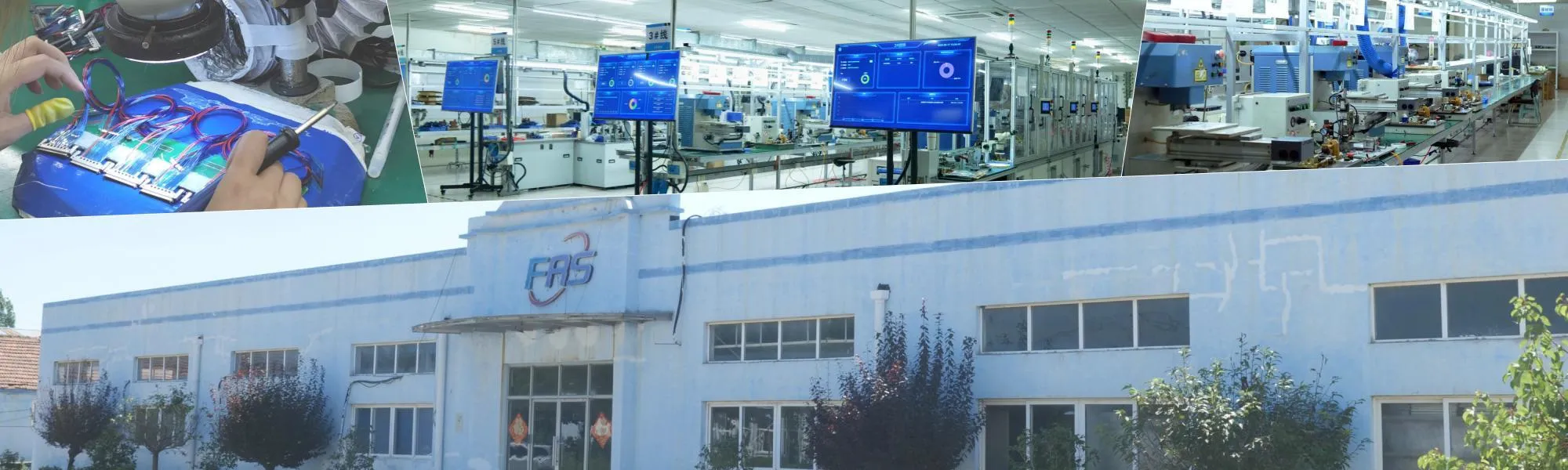
Our factory offers high-quality products at competitive prices
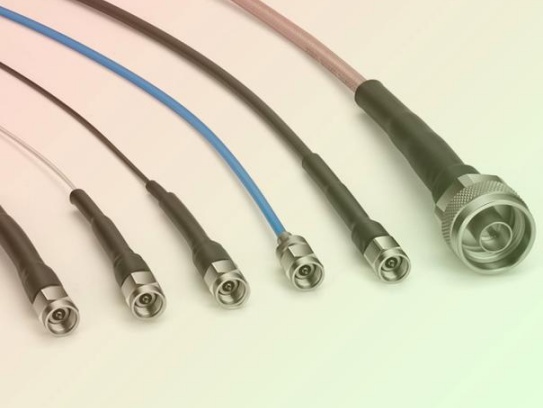
H1: Precision Instrument Micro-Coax – Engineered for Critical Signal Integrity Meta Description: Discover Precision Instrument Micro-Coax: Miniature coaxial cable solution optimized for high-frequency signal transmissio.
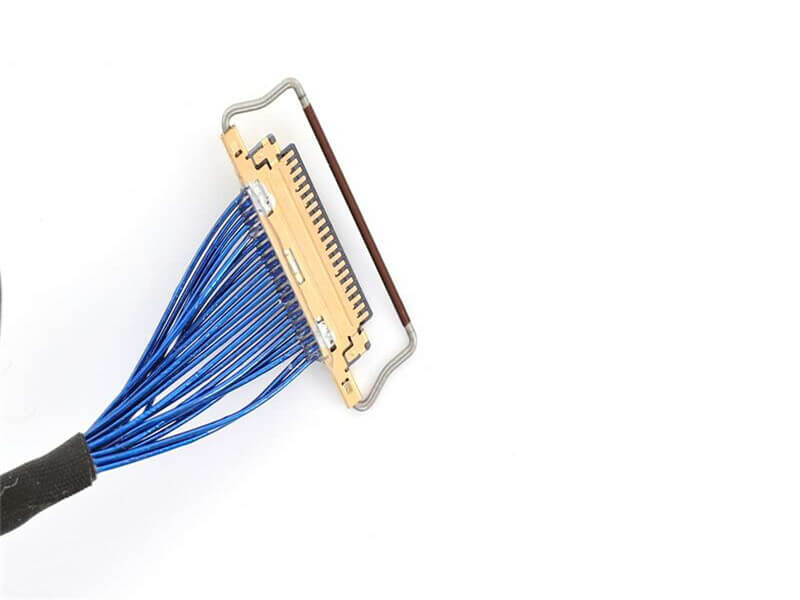
Overview of I-PEX Micro Coaxial Cable Connectors I-PEX is a global leader in micro coaxial cable solutions, specializing in high-performance IPEX micro coax connectors and micro coaxial cable assemblies. These products are designed for.
Feel free to reach out to us for any inquiries or orders