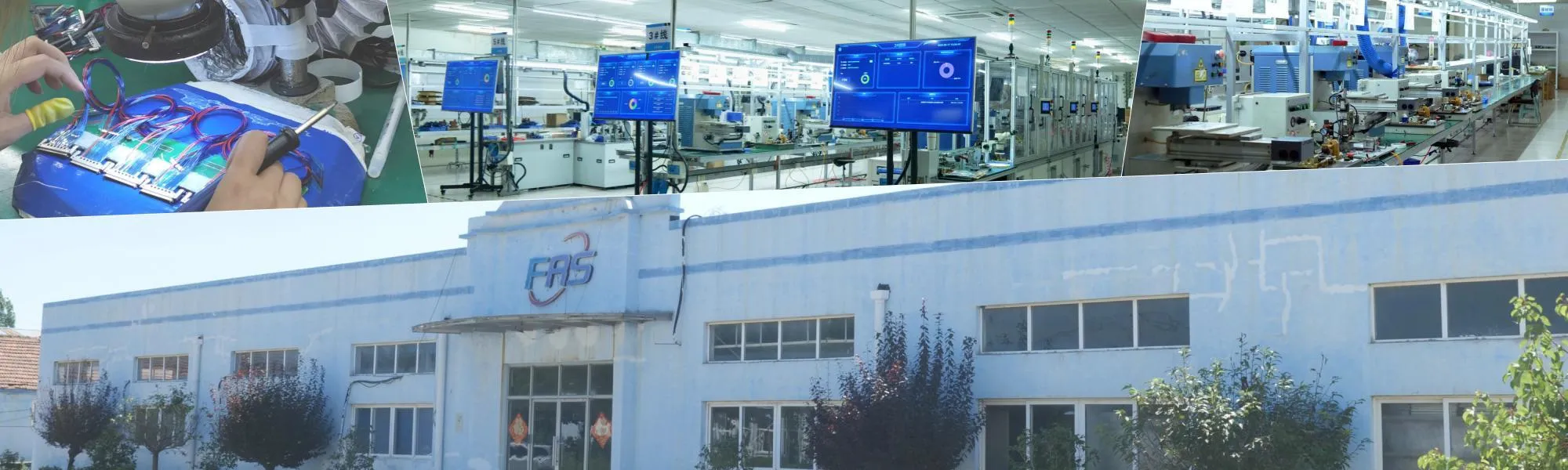
Micro Coaxial Cable-Micro Coaxial Cable factory-(FRS)-FRS
Coaxial cable assemblies are the unsung heroes of modern connectivity, enabling reliable signal transmission in everything from home internet setups to heavy-duty industrial machinery. However, not all coaxial cable assemblies are created equal—commercial and industrial-grade options are engineered to meet vastly different requirements, and understanding their key differences is critical for ensuring optimal performance, durability, and safety in specific applications. Whether you’re a procurement manager sourcing components for a manufacturing plant, an IT professional upgrading office infrastructure, or an engineer designing a new product, knowing how these two types of cable assemblies diverge will help you avoid costly mistakes and select the right solution for your needs.
The most fundamental difference between commercial and industrial coaxial cable assemblies lies in the environments they’re designed to withstand.
Commercial coaxial cable assemblies are tailored for controlled, mild environments such as offices, homes, retail stores, and small-scale data centers. These settings typically maintain stable temperatures (between 0°C and 60°C), low humidity, and minimal exposure to physical stress, chemicals, or extreme weather. Common applications include connecting routers to modems, TV antennas to receivers, or internal components in consumer electronics. For example, the coaxial cable running from your cable box to your TV is a commercial-grade product—its primary job is to transmit audio and video signals reliably in a temperature-controlled living room.
Industrial coaxial cable assemblies, by contrast, are built for harsh, unpredictable environments found in factories, oil refineries, construction sites, power plants, and outdoor industrial installations. These environments subject cables to extreme temperatures (ranging from -40°C to 125°C or higher), heavy vibration, moisture, dust, corrosive chemicals, UV radiation, and physical abrasion. They may also need to withstand pressure changes (e.g., in underground or underwater applications) or electromagnetic interference (EMI) from nearby machinery. For instance, a coaxial cable assembly used in a manufacturing robot must endure constant movement, exposure to lubricants, and high temperatures from production processes without signal degradation.
To adapt to their respective environments, commercial and industrial coaxial cable assemblies use vastly different materials and construction techniques—prioritizing either cost-effectiveness (commercial) or ruggedness (industrial).
Commercial coaxial cables often use copper-clad steel (CCS) or copper-clad aluminum (CCA) conductors to balance conductivity and cost. These materials offer sufficient signal transmission for low-demand applications while keeping production costs down. The insulation layer (typically made of polyethylene or foam polyethylene) is lightweight and designed for flexibility rather than extreme durability. The outer jacket is usually a thin PVC (polyvinyl chloride) layer that provides basic protection against dust and minor wear but is vulnerable to tearing, UV damage, or chemical exposure.
Industrial coaxial cables prioritize high-purity copper conductors (solid or stranded) for superior signal integrity and corrosion resistance—critical in applications where signal loss could lead to production downtime or safety hazards. The insulation layer is made of robust materials like PTFE (polytetrafluoroethylene), FEP (fluorinated ethylene propylene), or silicone rubber, which can withstand extreme temperatures, chemical exposure, and mechanical stress. The outer jacket is thicker and made of industrial-grade materials such as polyurethane (PU), neoprene, or TPE (thermoplastic elastomer), offering resistance to oil, grease, solvents, UV radiation, and abrasion. Some industrial cables also feature armoring (e.g., braided stainless steel or galvanized steel tape) to protect against physical impact or rodent damage.
Shielding is another critical construction difference. Commercial cables typically have a single braided shield (made of aluminum or copper) to reduce EMI from nearby electronics—sufficient for low-interference environments like offices. Industrial cables, however, often use double shielding (a combination of braided and foil shields) or even triple shielding to block intense EMI from industrial machinery, power lines, or wireless equipment. For example, in a factory with large motors or welding equipment, unshielded or poorly shielded cables would suffer from signal distortion, leading to faulty sensor readings or communication failures.
Commercial and industrial coaxial cable assemblies also differ significantly in their performance metrics, reflecting the demands of their applications.
Commercial cables are designed for moderate bandwidth and signal transmission requirements. They typically support frequencies up to 3 GHz and are optimized for short to medium distances (up to 100 meters for most applications). Signal loss (attenuation) is acceptable for consumer or office use, where minor signal degradation may not be noticeable (e.g., a slight reduction in TV picture quality).
Industrial cables are engineered for high bandwidth, low attenuation, and consistent signal integrity—even over long distances (up to 500 meters or more) and in harsh conditions. They support frequencies up to 18 GHz or higher, making them suitable for high-speed data transmission, radar systems, satellite communications, and industrial control systems (ICS). For example, in a power plant, coaxial cables must transmit real-time data from sensors to control rooms without delay or distortion, as any signal loss could compromise safety or operational efficiency.
Commercial cables are flexible but not built for repeated bending, twisting, or physical stress. Excessive movement (e.g., repeatedly bending a cable behind a desk) can cause the conductor to break or the shield to degrade, leading to signal loss. Industrial cables, by contrast, are designed for mechanical ruggedness—they can withstand repeated flexing (e.g., in robotic arms), pulling, and vibration without compromising performance. Many industrial cables meet IP (Ingress Protection) ratings (e.g., IP67 or IP68) to prevent dust and water ingress, ensuring reliability in wet or dusty environments.
Commercial and industrial coaxial cable assemblies must adhere to different certification standards, reflecting their intended use cases.
Commercial cables typically comply with consumer safety standards such as RoHS (Restriction of Hazardous Substances) and CE (Conformité Européenne) for European markets or FCC (Federal Communications Commission) standards in the U.S. These standards ensure that cables are safe for use in homes and offices and do not interfere with other electronics.
Industrial cables must meet more stringent standards specific to industrial applications. Examples include:
These certifications ensure that industrial cables can operate safely in high-risk environments without causing or contributing to accidents.
Commercial coaxial cable assemblies are cost-effective—they are mass-produced using cheaper materials and simpler construction, making them ideal for applications where budget is a primary concern and replacement is easy. Their lifespan is typically 5–10 years, depending on usage and environment.
Industrial coaxial cable assemblies are a long-term investment. The use of high-quality materials, robust construction, and compliance with strict standards makes them more expensive upfront. However, their lifespan can exceed 20 years in harsh environments, and they require less frequent replacement—reducing downtime and total cost of ownership (TCO) for industrial operations. For example, replacing a cable in a hard-to-reach location in a factory can cost thousands of dollars in labor and lost production, making the higher upfront cost of an industrial cable a wise choice.
When selecting between commercial and industrial coaxial cable assemblies, ask yourself the following questions:
If your application is in a home, office, or small data center with mild conditions and moderate performance needs, a commercial coaxial cable assembly is likely sufficient. For industrial settings, outdoor installations, or high-performance applications where reliability and durability are critical, an industrial-grade assembly is non-negotiable.
When it comes to industrial coaxial cable assemblies, FRS Brand Factory stands out as a leader in quality, reliability, and customization. We understand the unique challenges of industrial environments, and our cables are engineered to meet the most stringent standards—from extreme temperature resistance to EMI shielding and IP-rated protection. Using high-purity copper conductors, rugged insulation, and double or triple shielding, FRS industrial coaxial cable assemblies deliver consistent signal integrity even in the harshest conditions, minimizing downtime and ensuring operational safety.
Whether you need cables for manufacturing, energy, telecommunications, or aerospace applications, FRS offers customizable solutions tailored to your specific requirements. Our team of experienced engineers works closely with clients to design cables that fit unique form factors, performance needs, and compliance standards. With FRS, you can trust that your industrial connectivity needs are in capable hands—backed by decades of expertise in industrial cable manufacturing and a commitment to quality that exceeds industry expectations.
Choose FRS for industrial coaxial cable assemblies that deliver durability, performance, and peace of mind—because in industrial operations, every connection counts.
Our factory offers high-quality products at competitive prices
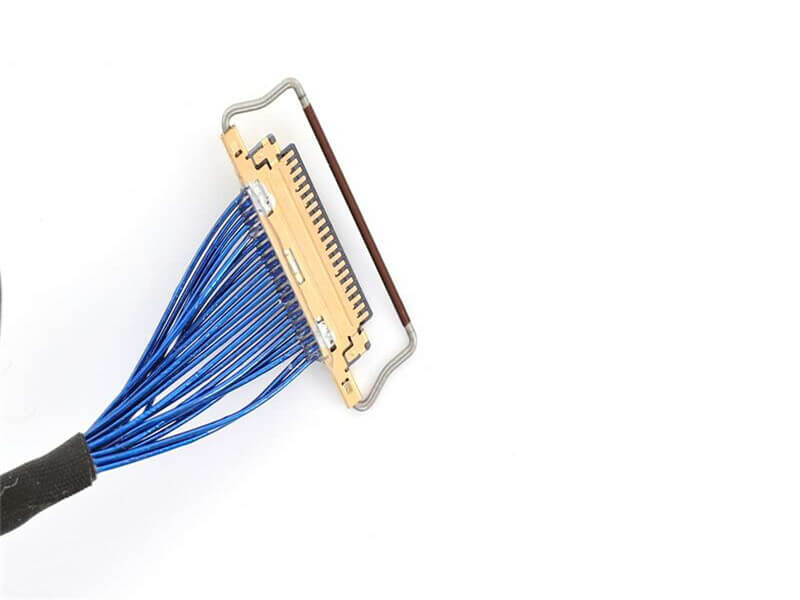
Overview of I-PEX Micro Coaxial Cable Connectors I-PEX is a global leader in micro coaxial cable solutions, specializing in high-performance IPEX micro coax connectors and micro coaxial cable assemblies. These products are designed for.
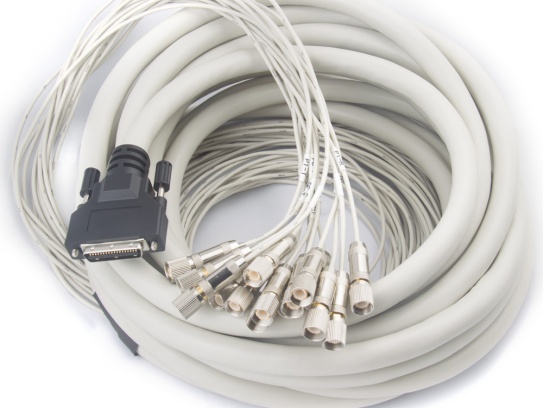
Meta Description: Discover our premium Flexible Micro-Coaxial Assemblies—engineered for high-frequency signal integrity, durability, and versatility in aerospace, medical, telecom, and robotics applications. What Are Flexible .
Feel free to reach out to us for any inquiries or orders