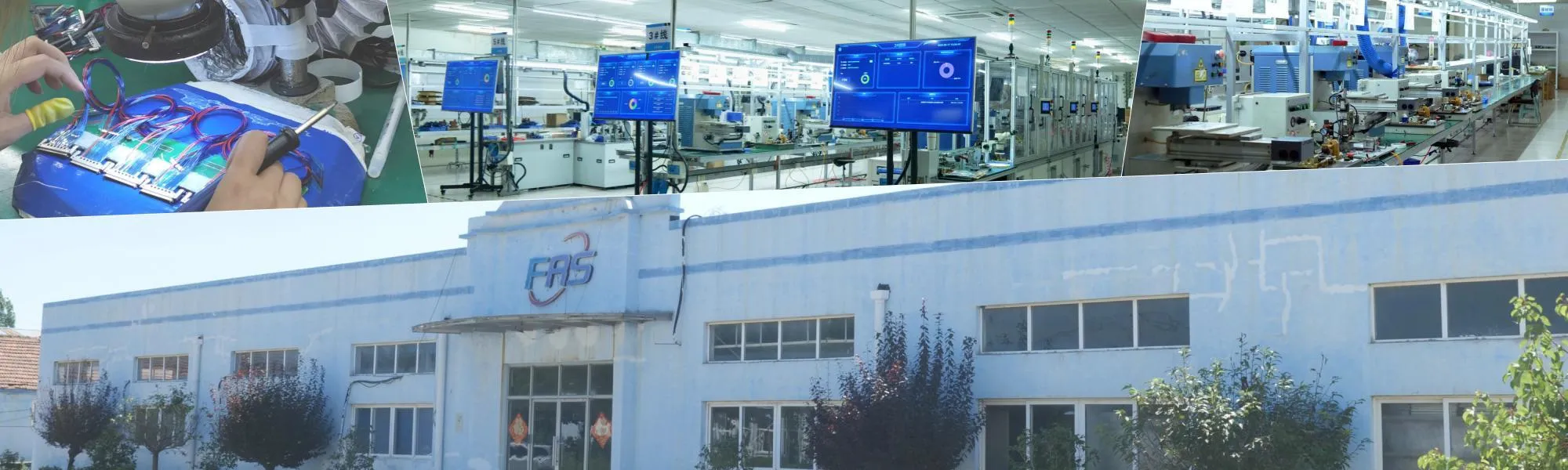
Micro Coaxial Cable factory-(FRS)
In the realm of modern communication and electronic systems, coaxial cable assemblies stand as a cornerstone technology, playing a pivotal role in transmitting signals with reliability and efficiency. Among the key performance metrics that define their functionality, the signal transmission speed of coaxial cable assemblies is a critical factor that directly impacts the performance of various applications, from consumer electronics to industrial machinery and telecommunications networks. Understanding this speed, the factors that influence it, and how it translates to real-world usage is essential for engineers, buyers, and anyone seeking to leverage coaxial cable assemblies for their specific needs.
To begin with, it is important to clarify that the signal transmission speed of coaxial cable assemblies is not a fixed value but rather a range determined by multiple interrelated factors. Unlike some other transmission media, coaxial cables operate by carrying electromagnetic signals within a shielded structure, which helps minimize interference and signal loss. This unique design contributes to their ability to transmit signals at relatively high speeds while maintaining signal integrity. Generally, the transmission speed of coaxial cable assemblies can range from a few megabits per second (Mbps) to several gigabits per second (Gbps), and in some specialized cases, even higher.
Several core factors play a decisive role in shaping the signal transmission speed of coaxial cable assemblies. By understanding these factors, one can better select the right coaxial cable assembly for a particular application and optimize its performance.
Impedance is a fundamental electrical property of coaxial cables, measured in ohms (Ω), and it refers to the opposition that the cable offers to the flow of alternating current (AC) signals. The most common impedance values for coaxial cables are 50Ω and 75Ω, each tailored to specific use cases. 50Ω coaxial cables are typically used in data transmission and radio frequency (RF) applications, such as in telecommunications networks, wireless communication systems, and industrial control systems. This impedance level is optimized for minimizing signal reflection, which can degrade signal quality and limit transmission speed. On the other hand, 75Ω coaxial cables are commonly used in video applications, including cable television (CATV) and surveillance systems. While impedance itself does not directly set the maximum speed, a mismatch between the cable’s impedance and the connected devices (such as transmitters and receivers) can lead to signal reflections, causing signal distortion and reducing the effective transmission speed. Thus, ensuring proper impedance matching is crucial for achieving the optimal speed of coaxial cable assemblies.
The physical construction and the materials used in coaxial cable assemblies have a significant impact on their signal transmission speed. A typical coaxial cable consists of four main components: a central conductor, an insulating dielectric, a metallic shield, and an outer jacket. Each component contributes to the cable’s performance.
The central conductor, usually made of copper or copper-clad steel, is responsible for carrying the signal. Copper, with its high electrical conductivity, allows for faster signal transmission compared to materials with lower conductivity. The size of the central conductor also matters; larger conductors can generally handle higher signal power and may support higher speeds, although this is balanced by other factors such as flexibility and cost.
The dielectric material, which surrounds the central conductor, is another critical factor. The dielectric constant (εr) of the material affects the speed of the signal traveling through the cable. The signal speed in a coaxial cable is inversely proportional to the square root of the dielectric constant. Materials with lower dielectric constants allow signals to travel faster. Common dielectric materials include polyethylene (PE), polypropylene (PP), and fluorinated ethylene propylene (FEP). For example, FEP has a lower dielectric constant than PE, making coaxial cables with FEP dielectrics suitable for high-speed applications where signal latency is a concern.
The metallic shield, which can be braided, foil, or a combination of both, serves to protect the signal from external electromagnetic interference (EMI) and radio frequency interference (RFI). A robust shield not only preserves signal quality but also allows the cable to maintain higher transmission speeds by preventing interference-induced signal degradation. The outer jacket, typically made of PVC or polyurethane, provides mechanical protection but has a minimal direct impact on signal speed.
Bandwidth refers to the range of frequencies that a coaxial cable assembly can transmit without significant signal loss. There is a direct relationship between bandwidth and transmission speed: a wider bandwidth allows for higher data transmission rates. The bandwidth of a coaxial cable is determined by its design, including the materials used in the dielectric and the dimensions of the cable. For example, coaxial cables designed for high-frequency applications, such as those used in 5G base stations or satellite communication systems, have a wider bandwidth and can support faster transmission speeds compared to cables designed for lower-frequency applications like traditional analog TV.
It is important to note that bandwidth is often specified as the frequency at which the signal loss (attenuation) reaches a certain threshold, typically 3 dB. Beyond this frequency, the signal strength decreases significantly, making it difficult to maintain high-speed data transmission. Therefore, when selecting a coaxial cable assembly for a high-speed application, it is essential to ensure that its bandwidth aligns with the frequency requirements of the system.
The length of the coaxial cable assembly also affects its signal transmission speed, albeit indirectly. As the length of the cable increases, signal attenuation (loss of signal strength) increases. This attenuation can lead to a reduction in the effective transmission speed, as the receiver may struggle to accurately decode the weakened signal. Different types of coaxial cables have varying attenuation characteristics; for example, low-loss coaxial cables (often used in long-distance communication) are designed to minimize signal loss over longer lengths, allowing them to maintain higher speeds compared to standard coaxial cables of the same length.
In practical applications, if the required cable length is long, it may be necessary to use signal amplifiers or repeaters to boost the signal and maintain the desired transmission speed. However, this adds complexity and cost to the system, so selecting the right cable type with low attenuation for long-length applications is preferable.
The connectors used in coaxial cable assemblies and the quality of their termination are often overlooked but critical factors in determining signal transmission speed. Connectors, such as SMA, BNC, N-type, and TNC, must be properly matched to the cable’s impedance to avoid signal reflections. Poorly terminated connectors or those of low quality can introduce signal loss, impedance mismatches, and interference, all of which can reduce the effective transmission speed.
High-quality connectors are manufactured with precise dimensions and materials that ensure a tight, consistent connection. The termination process, which involves attaching the connector to the cable, must be done with care to avoid damaging the cable’s components (such as the central conductor or dielectric) and to maintain proper impedance. Professional termination techniques, such as crimping or soldering, are essential for achieving optimal performance. In high-speed applications, even minor imperfections in the connector or termination can have a significant impact on signal speed and integrity.
The signal transmission speed of coaxial cable assemblies varies depending on the specific application, as each application has unique requirements for speed, bandwidth, and signal quality. Below are some common applications and the typical transmission speeds associated with coaxial cable assemblies in those scenarios.
In telecommunications networks, coaxial cable assemblies are used for both wired internet connections and cable TV services. Traditional coaxial cables used for cable internet can support speeds ranging from 10 Mbps to 1 Gbps, depending on the network infrastructure and the cable type. With the advent of DOCSIS (Data Over Cable Service Interface Specification) technology, which enables high-speed data transmission over coaxial cables, modern DOCSIS 3.1 systems can support download speeds of up to 10 Gbps and upload speeds of up to 1 Gbps. These speeds make coaxial cable assemblies a viable option for high-speed internet access in both residential and commercial settings.
In enterprise data networks, coaxial cables are sometimes used for short-distance, high-speed connections, such as between network switches or servers. In these cases, specialized coaxial cable assemblies can support speeds of several Gbps, providing a reliable alternative to twisted-pair cables or fiber optics in certain environments.
Coaxial cable assemblies are widely used in RF and microwave systems, including wireless communication (such as 5G, Wi-Fi), radar systems, and satellite communication. In these applications, the transmission speed is closely tied to the frequency of the signal. For example, 5G base stations operate at frequencies ranging from sub-6 GHz to mmWave (24 GHz and above), and the coaxial cable assemblies used in these systems must have a wide bandwidth to support these high frequencies. High-performance RF coaxial cable assemblies can transmit signals at speeds corresponding to data rates of several Gbps, ensuring the efficient operation of 5G networks and other advanced RF systems.
Radar systems, which rely on high-frequency signals to detect and track objects, also require coaxial cable assemblies with high transmission speeds and low signal loss. The speed of the signal in these cables directly affects the radar system’s resolution and response time, making high-quality coaxial assemblies essential for their performance.
In video applications, such as cable TV, surveillance cameras, and professional video production, coaxial cable assemblies are used to transmit analog and digital video signals. Analog video signals typically require lower transmission speeds, but digital video signals, especially high-definition (HD) and 4K video, demand higher speeds. For example, a 4K video signal with a frame rate of 60 frames per second requires a data rate of approximately 12 Gbps. Coaxial cable assemblies designed for video applications, such as RG-6 cables (common in CATV), can support these high speeds when paired with the right equipment, ensuring smooth, high-quality video transmission.
In industrial settings, coaxial cable assemblies are used in control systems, sensor networks, and industrial automation. These applications often require reliable signal transmission in harsh environments (such as high temperatures, humidity, or electromagnetic interference), and the transmission speed must be sufficient to support real-time data transfer. For example, industrial control systems may require data rates of several hundred Mbps to several Gbps to ensure timely communication between sensors, controllers, and actuators.
Medical equipment, such as MRI machines and ultrasound devices, also uses coaxial cable assemblies to transmit high-frequency signals. The speed and signal integrity of these cables are critical for the accuracy of medical imaging and diagnostics, as any signal degradation could lead to incorrect results.
When it comes to selecting coaxial cable assemblies that deliver consistent, high signal transmission speeds, FRS stands out as a trusted and reliable brand. With years of experience in the design and manufacturing of coaxial cable assemblies, FRS is committed to producing products that meet the highest standards of performance, quality, and durability—all key factors in ensuring optimal transmission speed.
At FRS, we understand that the signal transmission speed of coaxial cable assemblies is determined by every aspect of the product, from material selection to manufacturing precision. That’s why we use only the highest-quality materials: our coaxial cables feature high-conductivity copper central conductors, low-dielectric-constant materials like FEP for the dielectric, and robust shielding to minimize interference. Our connectors are sourced from top manufacturers and terminated with strict quality control measures to ensure proper impedance matching and minimal signal loss.
FRS offers a wide range of coaxial cable assemblies tailored to different applications, each optimized for specific transmission speed and bandwidth requirements. Whether you need high-speed assemblies for 5G telecommunications, 4K video transmission, or industrial control systems, we have the expertise and products to meet your needs. Our team of engineers works closely with customers to understand their unique requirements and provide customized solutions that deliver the best possible performance.
In addition to product quality, FRS is dedicated to providing exceptional customer service. We offer fast turnaround times, competitive pricing, and comprehensive technical support to ensure that our customers get the right coaxial cable assemblies for their applications. Our state-of-the-art manufacturing facilities are equipped with advanced testing equipment to verify the transmission speed, bandwidth, and signal integrity of every product before it leaves the factory.
If you’re looking for coaxial cable assemblies that deliver reliable, high signal transmission speeds, look no further than FRS. With our commitment to quality, innovation, and customer satisfaction, we are the ideal partner for all your coaxial cable assembly needs. Choose FRS, and experience the difference that high-quality, performance-driven coaxial cable assemblies can make in your applications.
Our factory offers high-quality products at competitive prices
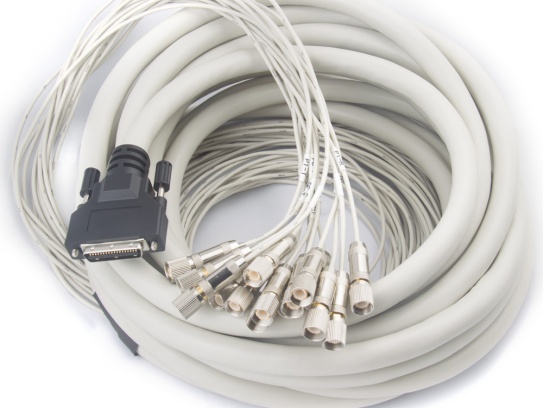
Meta Description: Discover our premium Flexible Micro-Coaxial Assemblies—engineered for high-frequency signal integrity, durability, and versatility in aerospace, medical, telecom, and robotics applications. What Are Flexible .
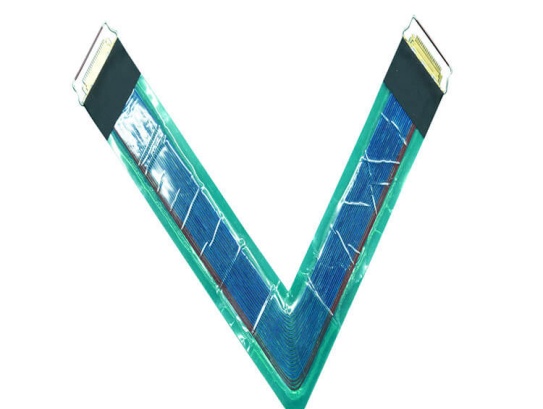
IntroductionThe High-Temperature Resistant Micro-Coaxial Cable is a cutting-edge connectivity solution engineered to deliver exceptional performance in extreme thermal environments. Combining precision engineering with advanced mate.
Feel free to reach out to us for any inquiries or orders