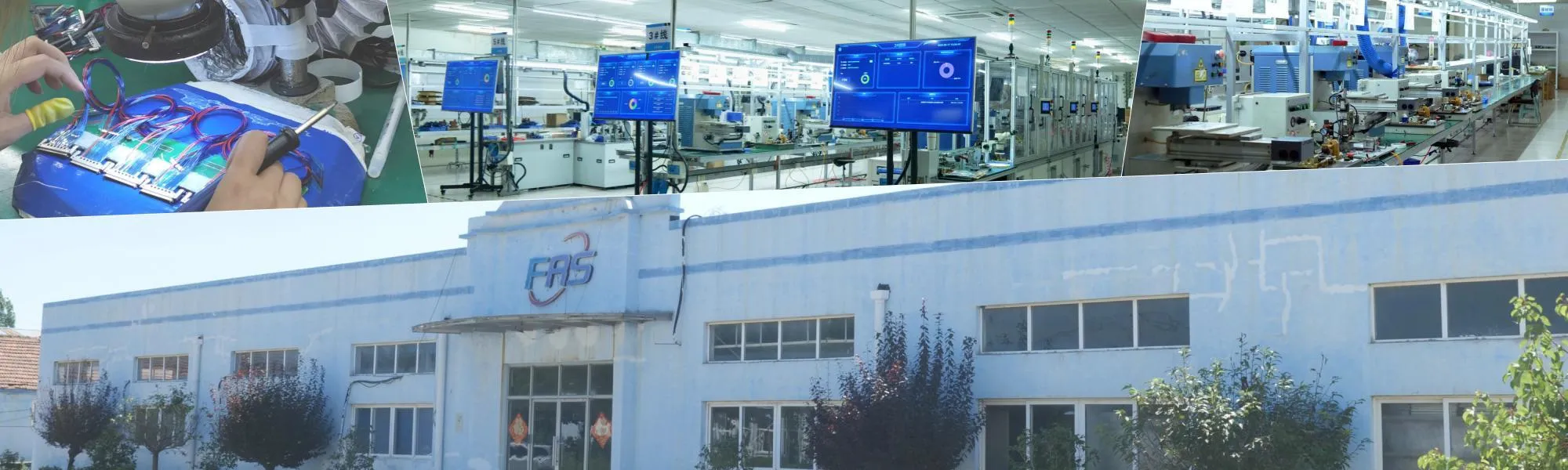
Micro Coaxial Cable-Micro Coaxial Cable factory-(FRS)-FRS
MRI machines are critical diagnostic tools in healthcare, relying on precision engineering to deliver accurate imaging results. At the heart of these systems are micro-coaxial cables, which transmit high-frequency signals with minimal interference. Choosing the right cables ensures optimal machine performance, patient safety, and longevity of equipment. In this article, we explore the best micro-coaxial cables for MRI machines, highlighting key features, top brands, and practical considerations to help healthcare providers make informed decisions.
MRI machines operate in high-electromagnetic environments, requiring cables that:
Subpar cables can lead to distorted images, system downtime, and costly repairs.
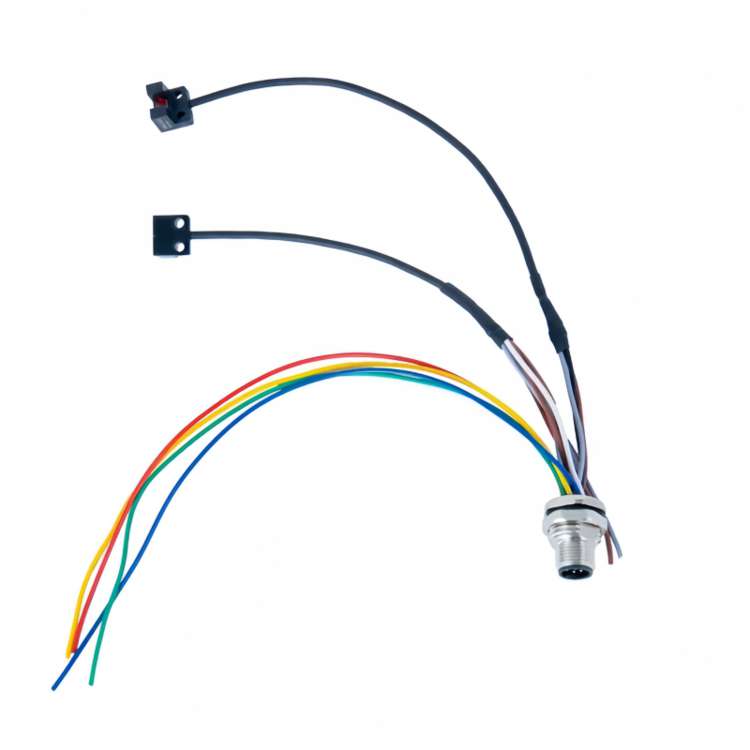
Q: Can I use standard coaxial cables in MRI machines?
A: No. Standard cables may contain ferromagnetic materials, risking interference or safety hazards.
Q: How often should MRI cables be replaced?
A: Inspect cables annually; lifespan depends on usage but typically ranges 5–7 years.
Q: Do thicker cables guarantee better performance?
A: Not necessarily. Thinner, high-quality micro-coax often outperforms bulkier options in flexibility and signal retention.
Our factory offers high-quality products at competitive prices
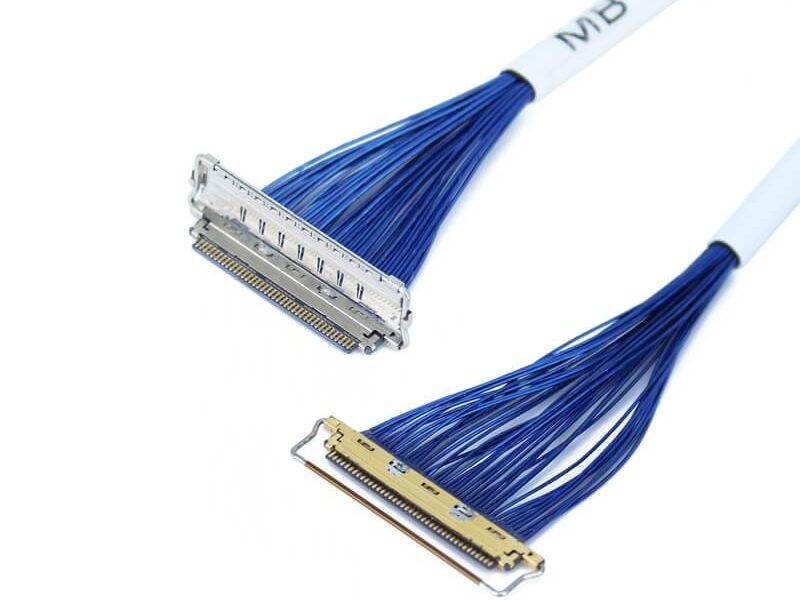
In LVDS (Low Voltage Differential Signaling) display systems, Micro-coaxial Cable (also referred to as Micro Coax Cable) stands out as an optimal solution for high-resolution, high-reliability signal transmission. Designed to meet the str.
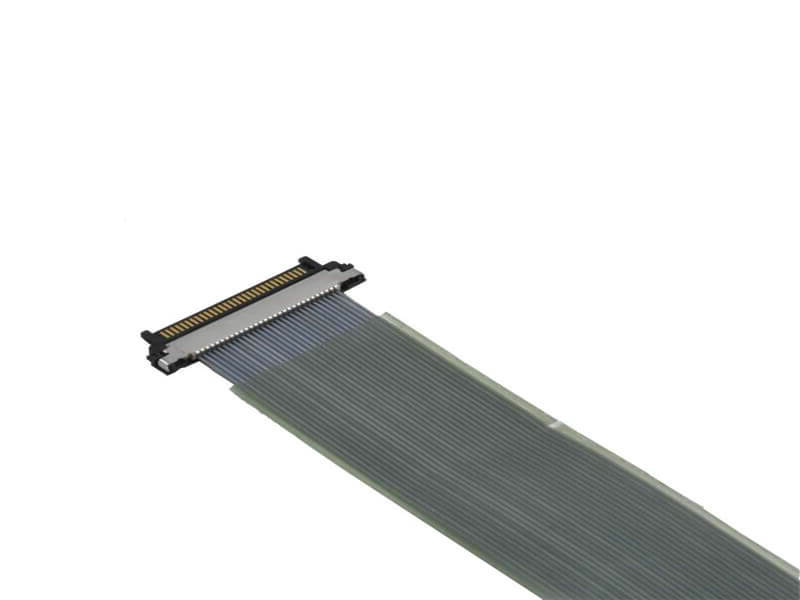
KEL’s Micro Coaxial Cable solutions are at the forefront of modern electronic connectivity, offering exceptional performance in high-speed data transmission, miniaturization, and reliability. These connectors are integral to various.
Feel free to reach out to us for any inquiries or orders