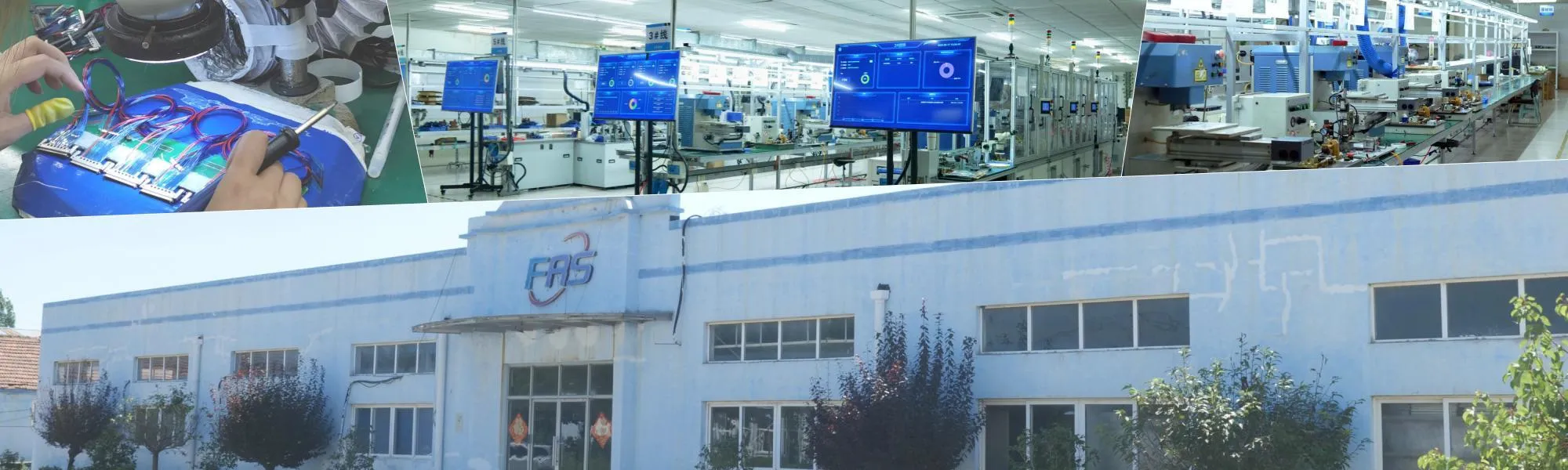
Micro Coaxial Cable factory-(FRS)
In the realm of outdoor lighting systems, the selection of appropriate cabling solutions is a critical factor that directly impacts performance, reliability, and longevity. As outdoor lighting continues to evolve—from traditional streetlights to smart, networked LED systems—many professionals and enthusiasts alike ask: Can Coaxial Cable Assemblies be used in outdoor lighting systems? The short answer is a resounding yes. Coaxial cable assemblies, long celebrated for their robustness in signal transmission across various industries, offer unique advantages that make them a viable and often superior choice for outdoor lighting applications. This article delves into the feasibility, benefits, application scenarios, and key considerations of using coaxial cable assemblies in outdoor lighting systems, providing a comprehensive guide for anyone looking to optimize their outdoor lighting infrastructure.
To understand why coaxial cable assemblies work well in outdoor lighting, it’s essential to first recall their core design and properties. Coaxial cables consist of a central conductor, an insulating layer, a metallic shield (usually braided or foil), and an outer jacket. This layered structure is engineered to minimize signal loss, reduce electromagnetic interference (EMI), and provide physical protection—all of which are crucial for outdoor environments where cables are exposed to harsh conditions.
One of the primary reasons coaxial cable assemblies are suitable for outdoor lighting is their excellent signal transmission capabilities. Modern outdoor lighting systems, especially smart ones, require reliable transmission of data and power. For example, LED lighting systems with dimming controls, motion sensors, or remote monitoring features depend on consistent signal flow to function correctly. Coaxial cables have low attenuation (signal loss over distance), ensuring that signals retain their strength even over longer runs—making them ideal for large-scale outdoor lighting projects like street lighting, parking lot illumination, or campus lighting.
Another key advantage is their resistance to environmental factors. Outdoor lighting cables must withstand extreme temperatures, rain, snow, humidity, UV radiation, and even physical damage from rodents or accidental impact. High-quality coaxial cable assemblies are designed with rugged outer jackets made from materials like polyethylene (PE) or polyvinyl chloride (PVC), which are resistant to UV rays, water, and corrosion. The metallic shield also adds an extra layer of protection against physical damage, ensuring that the cable remains intact and functional in challenging outdoor conditions.
Additionally, coaxial cable assemblies offer superior EMI and RFI shielding. Outdoor environments are filled with electromagnetic interference from power lines, radio signals, and other electronic devices. This interference can disrupt the performance of sensitive lighting controls or smart systems, leading to flickering lights, incorrect dimming, or failed communication. The metallic shield in coaxial cables acts as a barrier, blocking external EMI and preventing internal signals from interfering with other devices. This shielding is particularly important for outdoor lighting systems that are part of a larger network, as it ensures that the lighting system doesn’t disrupt or get disrupted by other nearby electronics.
Coaxial cable assemblies find use in a wide range of outdoor lighting applications, thanks to their versatility and reliability. Below are some of the most common scenarios where coaxial cables are the preferred choice:
Municipal street lighting is one of the largest and most demanding outdoor lighting applications. These systems often span miles of roadways, requiring cables that can transmit power and data over long distances without signal degradation. Coaxial cable assemblies are ideal here because of their low attenuation and durability. Many modern street lighting systems are now “smart,” allowing cities to remotely control brightness, monitor energy usage, and detect faults. Coaxial cables ensure that the data signals for these controls are transmitted reliably, even in areas with high EMI from power lines or traffic signals. Additionally, their resistance to UV and water makes them a long-lasting solution, reducing the need for frequent replacements and maintenance costs for municipalities.
Parking lots and security lighting systems require cables that can handle both power delivery and, in many cases, integration with security cameras or motion sensors. Coaxial cable assemblies excel in this environment because they can transmit both power and video/data signals (in some cases, using power-over-coaxial technology). This eliminates the need for separate cables for lighting and security devices, simplifying installation and reducing clutter. The rugged outer jacket of coaxial cables also protects against damage from vehicles, foot traffic, or weather, ensuring that the lighting and security systems remain operational 24/7.
Landscape and architectural lighting are designed to enhance the aesthetic appeal of gardens, parks, buildings, and other outdoor spaces. These systems often use low-voltage LED lights that require precise signal control for dimming or color-changing features. Coaxial cable assemblies provide the stable signal transmission needed to maintain consistent lighting effects, even when cables are routed through soil, around plants, or along building exteriors. Their flexibility makes them easy to install in tight spaces or around obstacles, while their weather-resistant properties ensure that they don’t degrade when exposed to rain, snow, or extreme temperatures.
Sports fields and stadiums require high-intensity lighting that can be controlled dynamically (e.g., adjusting brightness for different sports or events). These systems also often include video replay systems and scoreboards that rely on reliable data transmission. Coaxial cable assemblies are well-suited for this application because they can handle high-frequency signals with minimal loss, ensuring that both the lighting controls and video/data systems work seamlessly together. Their durability is also a plus in stadium environments, where cables may be exposed to heavy foot traffic, equipment, or harsh weather conditions.
While coaxial cable assemblies are highly suitable for outdoor lighting systems, there are several key considerations to keep in mind to ensure optimal performance and longevity:
Not all coaxial cables are created equal, and selecting the right type for your outdoor lighting application is crucial. For outdoor use, look for cables with UV-resistant jackets (such as PE or cross-linked polyethylene) to prevent degradation from sunlight. If the cable will be buried underground, choose a direct-burial rated cable with an extra-thick, moisture-resistant jacket. For applications where flexibility is important (e.g., landscape lighting), a more flexible coaxial cable with a stranded central conductor may be better than a rigid solid conductor cable.
The level of shielding required depends on the EMI environment of your outdoor lighting system. For areas with high interference (e.g., near power lines or radio towers), choose coaxial cables with double shielding (a combination of braided and foil shielding) for maximum protection. Single shielding may be sufficient for less noisy environments, but double shielding provides an extra layer of security against signal disruption.
Impedance mismatch can cause signal reflection, leading to signal loss and poor performance. Most outdoor lighting systems and their associated controls use 50-ohm or 75-ohm impedance. Ensure that the coaxial cable assembly you choose matches the impedance of your lighting equipment to avoid compatibility issues. Using cables with the wrong impedance can result in flickering lights, reduced dimming range, or even damage to sensitive electronics.
Even the best coaxial cable assembly will fail if installed incorrectly. When installing outdoor lighting cables, ensure that all connections are weatherproofed using waterproof connectors, heat-shrink tubing, or silicone sealants. Avoid leaving cables exposed to standing water or sharp edges that could damage the jacket. For underground installations, use conduit to protect the cable from digging or rodent damage. Additionally, avoid over-bending the cable, as this can damage the shield and central conductor, leading to signal loss.
Outdoor lighting systems vary in power requirements, so it’s important to choose a coaxial cable assembly that can handle the voltage and current of your system. Check the cable’s power rating (usually specified in watts) to ensure it can safely deliver power to your lights without overheating. Using a cable with insufficient power handling capacity can pose a fire hazard and shorten the lifespan of your lighting system.
When it comes to selecting high-quality coaxial cable assemblies for your outdoor lighting system, FRS stands out as a leading brand and factory with a proven track record of delivering reliable, durable, and high-performance solutions. For years, FRS has been dedicated to engineering coaxial cable assemblies that meet the unique demands of outdoor environments, ensuring that our products excel in signal transmission, environmental resistance, and long-term reliability.
At FRS, we understand that outdoor lighting systems require cables that can withstand the harshest conditions while maintaining consistent performance. That’s why our coaxial cable assemblies are manufactured using premium materials—including UV-resistant PE jackets, high-purity copper conductors, and double shielding—to ensure superior signal integrity and durability. We offer a wide range of cable types to suit every outdoor lighting application, from direct-burial cables for street lighting to flexible cables for landscape lighting, all designed to meet or exceed industry standards.
What sets FRS apart is our commitment to customization and quality control. We work closely with our customers to understand their specific outdoor lighting needs, offering tailored coaxial cable assembly solutions that fit their unique requirements—whether it’s a specific length, connector type, or shielding level. Every cable we produce undergoes rigorous testing, including signal loss testing, environmental resistance testing, and power handling testing, to ensure that it performs flawlessly in real-world outdoor conditions.
Whether you’re designing a smart street lighting system for a city, a security lighting system for a parking lot, or an architectural lighting system for a landmark building, FRS has the coaxial cable assemblies you need to ensure a reliable, long-lasting, and high-performance outdoor lighting solution. Choose FRS, and experience the difference that quality engineering and customer-focused service can make for your outdoor lighting project.
Our factory offers high-quality products at competitive prices
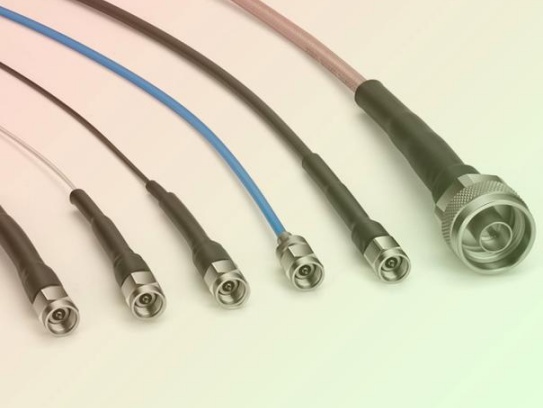
H1: Precision Instrument Micro-Coax – Engineered for Critical Signal Integrity Meta Description: Discover Precision Instrument Micro-Coax: Miniature coaxial cable solution optimized for high-frequency signal transmissio.
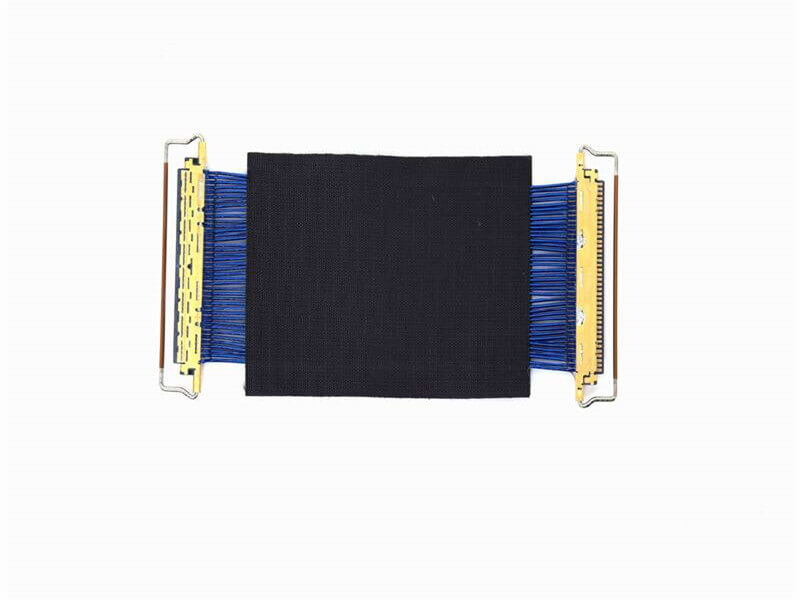
Micro Coaxial Cable: High-Quality Solutions for Precision Applications Micro coaxial cables are essential components in high-performance electronic applications, providing reliable signal transmission in compact and flexible designs. A.
Feel free to reach out to us for any inquiries or orders