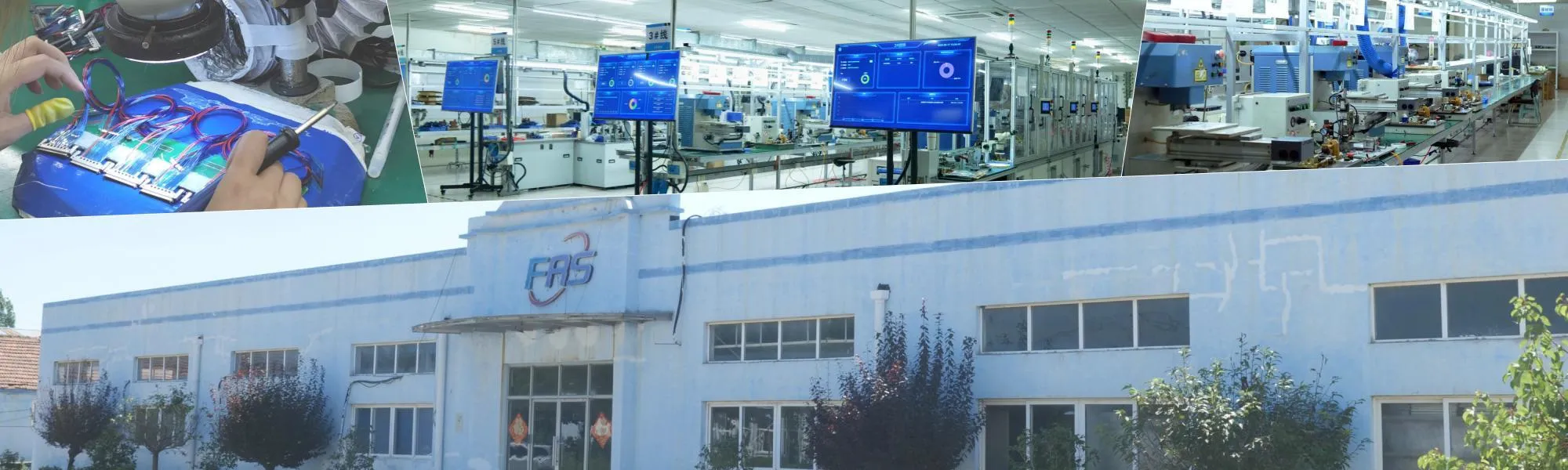
Micro Coaxial Cable-Micro Coaxial Cable factory-(FRS)-FRS
In an era where environmental sustainability has become a global priority, every industry is re-evaluating its products and processes to minimize ecological impact. The telecommunications and electronics sectors, in particular, are under increasing pressure to adopt greener solutions. Coaxial cable assemblies, a critical component in signal transmission systems, offer a range of environmental benefits that are often overlooked. From material efficiency to energy conservation and extended lifespan, these assemblies play a significant role in reducing the carbon footprint of communication networks.
Coaxial cable assemblies are engineered for material efficiency, which directly contributes to lower environmental strain. Unlike some alternative transmission technologies that require complex and resource-intensive materials, coaxial cables typically consist of a central conductor (often copper or aluminum), a dielectric insulator, a shielding layer, and an outer jacket. The precise design of these components ensures that materials are used optimally, minimizing waste during production.
Copper, a key material in many coaxial cables, is highly recyclable. Recycled copper retains nearly all of its original properties, reducing the need for mining virgin copper ore—a process that is energy-intensive and causes significant environmental disruption, including deforestation, soil erosion, and water pollution. By utilizing recycled copper in their conductors, manufacturers of coaxial cable assemblies can lower the environmental impact of raw material extraction. Additionally, the dielectric materials used, such as polyethylene or fluoropolymers, are often lightweight and require less energy to produce compared to bulkier alternatives, further reducing resource consumption.
One of the most notable environmental benefits of coaxial cable assemblies is their energy efficiency in signal transmission. Coaxial cables are designed to minimize signal loss, also known as attenuation, over long distances. This means that less energy is required to boost or amplify signals to maintain quality, resulting in lower overall energy consumption for communication networks.
In contrast, some wireless communication technologies or lower-quality cable alternatives may experience higher signal loss, necessitating more frequent signal amplification. These amplifiers consume additional electricity, often derived from fossil fuels, leading to increased greenhouse gas emissions. By reducing the need for excessive signal boosting, coaxial cable assemblies help cut down on energy use and the associated environmental impact. This energy efficiency is particularly crucial in large-scale networks, such as cable TV systems, internet backbones, and industrial communication setups, where the cumulative energy savings can be substantial.
Coaxial cable assemblies are known for their durability and long lifespan, which is a key factor in reducing electronic waste (e-waste). E-waste is a growing global problem, with millions of tons of electronic components ending up in landfills each year, releasing toxic substances like lead, mercury, and cadmium into the environment.
Coaxial cables are resistant to environmental factors such as moisture, temperature fluctuations, electromagnetic interference (EMI), and physical wear and tear. Their robust construction allows them to withstand harsh conditions, whether installed indoors, outdoors, or in industrial settings. A typical coaxial cable assembly can last for decades with proper maintenance, far longer than some wireless components or lower-quality cables that may need frequent replacement. This extended lifespan means fewer cables are discarded, reducing the volume of e-waste generated and the environmental burden of recycling or disposing of old components.
The installation process of coaxial cable assemblies also offers environmental advantages compared to other transmission infrastructure. Coaxial cables can be installed using existing infrastructure, such as underground conduits, utility poles, or building wiring, minimizing the need for new excavation or construction. This reduces habitat destruction, soil disturbance, and the carbon emissions associated with heavy construction equipment.
Furthermore, coaxial cables are lightweight and flexible, making them easier to transport and install. This reduces the fuel consumption of transportation vehicles and the labor required for installation, further lowering the environmental impact of network deployment. In remote or ecologically sensitive areas, the ability to install coaxial cables with minimal disruption is particularly valuable, as it helps preserve natural habitats and biodiversity.
As the world shifts towards renewable energy sources such as solar and wind power, coaxial cable assemblies play a vital role in supporting these systems. Renewable energy installations, such as solar farms and wind turbines, require reliable communication networks to monitor and control equipment. Coaxial cables are ideal for this purpose due to their ability to transmit high-quality signals over long distances in harsh outdoor environments.
By enabling efficient communication in renewable energy systems, coaxial cable assemblies contribute to the integration and expansion of clean energy. This, in turn, helps reduce reliance on fossil fuels and mitigate climate change, aligning with global environmental goals.
The environmental benefits of coaxial cable assemblies—from material efficiency and energy conservation to extended lifespan and minimal installation disruption—make them a sustainable choice for modern communication networks. At FRS Brand Factory, we are committed to leveraging these advantages to produce high-quality, eco-friendly coaxial cable assemblies. Our manufacturing processes prioritize the use of recycled materials, optimize energy efficiency, and ensure durability to minimize e-waste. With a focus on innovation and sustainability, FRS delivers coaxial solutions that not only meet the demanding performance requirements of today’s networks but also contribute to a greener future. Choose FRS Brand Factory for your coaxial cable assembly needs, and join us in building a more sustainable world through reliable and environmentally responsible communication infrastructure.
Our factory offers high-quality products at competitive prices
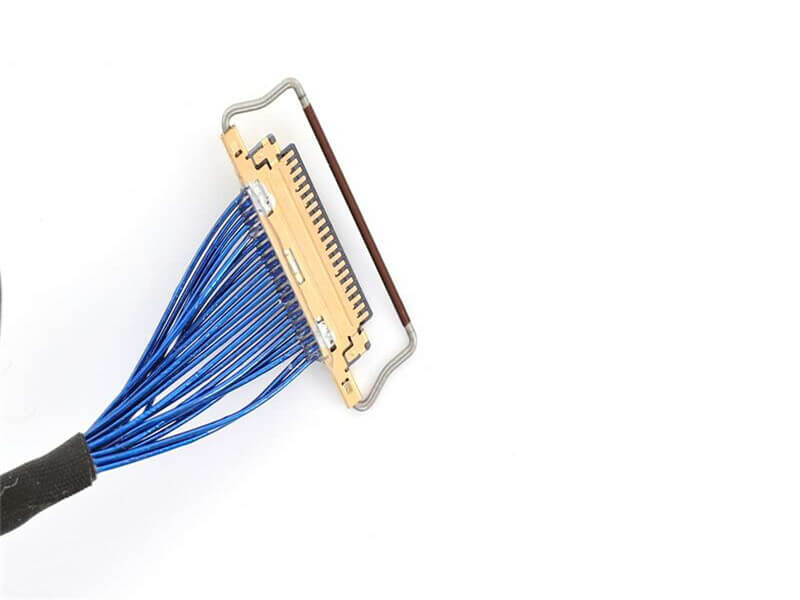
Overview of I-PEX Micro Coaxial Cable Connectors I-PEX is a global leader in micro coaxial cable solutions, specializing in high-performance IPEX micro coax connectors and micro coaxial cable assemblies. These products are designed for.
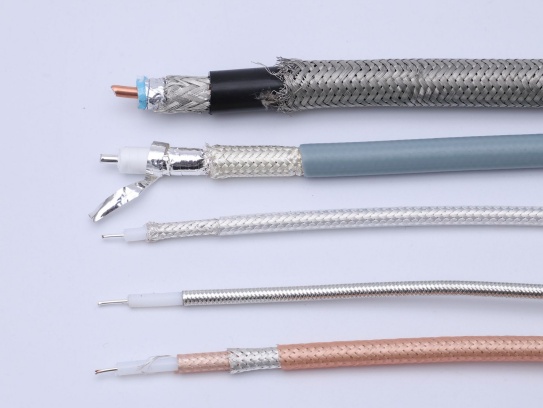
Meta Description: Discover premium RF micro coaxial cables engineered for high-frequency signal transmission in compact devices. Explore specs, applications, and benefits for telecom, medical, and aerospace industries. .
Feel free to reach out to us for any inquiries or orders