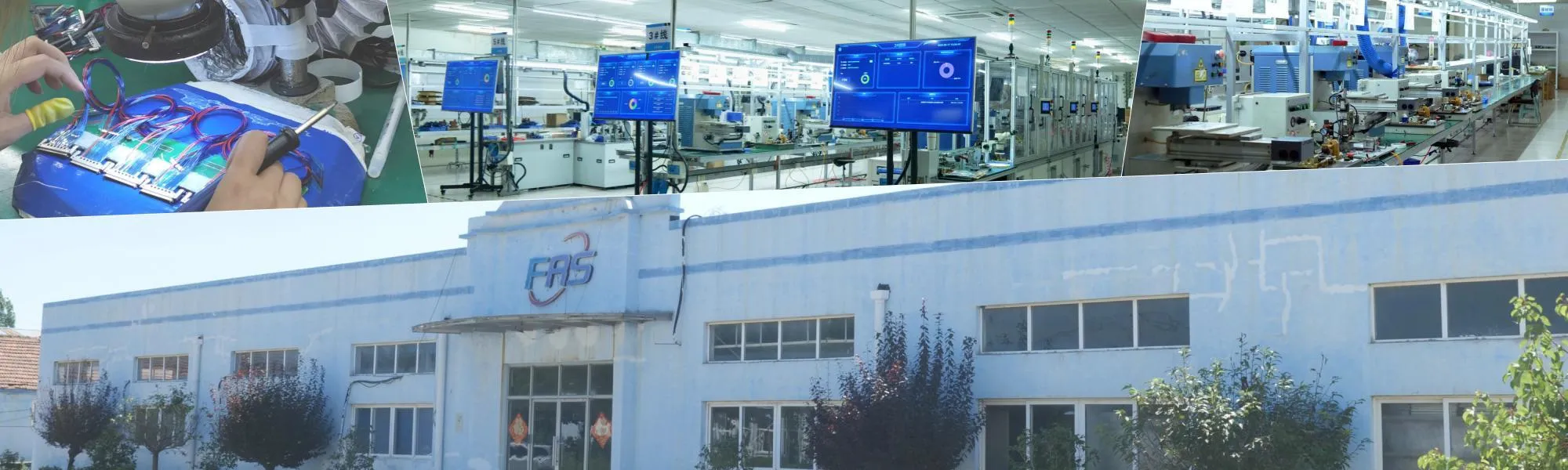
Micro Coaxial Cable factory-(FRS)
In the realm of high-speed signal transmission, two cable types stand out for their widespread use in modern electronics: micro coaxial cable and LVDS (Low-Voltage Differential Signaling) cable. From smartphones and laptops to industrial cameras and medical devices, these cables play pivotal roles in ensuring seamless data transfer. However, their design, functionality, and performance characteristics differ significantly, making each better suited for specific applications. This article delves into the core differences between micro coaxial and LVDS cables, focusing on signal transmission, performance metrics, application scenarios, and practical considerations to help you understand which option aligns with your needs.
Before comparing their performance, it’s essential to establish a clear understanding of each cable type’s basic structure and purpose.
Micro coaxial cable, often referred to as micro coax, is a miniaturized version of traditional coaxial cable. It retains the core coaxial structure—consisting of a central conductor (typically copper), an insulating layer (dielectric), a metallic shield (braided or foil), and an outer jacket (polymer). The key distinction is its ultra-small diameter, which ranges from 0.3mm to 1.0mm, making it ideal for space-constrained electronic devices. The shield layer is critical for its performance, as it minimizes electromagnetic interference (EMI) and radio frequency interference (RFI), ensuring signal integrity in noisy environments.
LVDS cable is designed specifically for Low-Voltage Differential Signaling, a technology that transmits data using two complementary signals (positive and negative) over a pair of conductors. Unlike micro coaxial cable, LVDS cables are often multi-pair cables (e.g., 2-pair, 4-pair) with each pair dedicated to differential signaling. The conductors are typically twisted pairs to enhance noise rejection, and the cable may include an overall shield for additional EMI protection. LVDS operates at low voltage levels (usually 350mV peak-to-peak), which reduces power consumption and minimizes EMI emission—key advantages for high-speed, low-power applications.
The most significant divergence between micro coaxial and LVDS cables lies in their signal transmission mechanisms, which directly impact their performance in various scenarios.
Micro coaxial cables use single-ended signaling, meaning data is transmitted through the central conductor relative to a ground reference (the shield). The shield acts as both a ground and a barrier against external interference. This design is simple and cost-effective for transmitting high-frequency signals, as the coaxial structure supports wide bandwidths. However, single-ended signaling is more susceptible to ground noise and crosstalk compared to differential signaling, especially over longer distances. The shield’s effectiveness depends on its coverage (e.g., 90%+ braided shield) and grounding quality—poor shielding can lead to signal degradation in high-interference environments.
LVDS cables leverage differential signaling, where two signals of equal amplitude but opposite polarity are transmitted simultaneously. The receiver detects the difference between these two signals, rather than their absolute voltage relative to ground. This approach provides exceptional noise immunity: any external interference (EMI/RFI) affects both signals equally, and the receiver cancels out the common-mode noise. Differential signaling also allows LVDS to transmit data at much higher speeds over longer distances compared to single-ended micro coaxial cables. Additionally, LVDS’s low voltage swing reduces power consumption and EMI emission, making it a preferred choice for battery-powered devices and applications with strict EMI regulations.
When evaluating micro coaxial and LVDS cables, performance metrics such as bandwidth, data rate, transmission distance, and noise resistance are critical. Below is a detailed comparison of these key parameters.
Bandwidth refers to a cable’s ability to transmit a range of frequencies, directly influencing its maximum data rate. Micro coaxial cables offer excellent bandwidth due to their coaxial structure—typical micro coax cables support bandwidths from 1GHz to 10GHz, with high-performance variants reaching up to 20GHz. This makes them suitable for high-frequency applications such as HDMI, USB 3.0, and RF signal transmission in small devices. However, their data rate is limited by single-ended signaling: at longer distances (over 1m), the data rate drops significantly (e.g., from 10Gbps at 0.5m to 2Gbps at 2m).
LVDS cables, on the other hand, are optimized for high-speed data transmission over differential pairs. Standard LVDS supports data rates up to 1.5Gbps per pair, but advanced variants (such as LVDS-600) can reach 6Gbps per pair. When using multi-pair LVDS cables, the total data rate can be multiplied (e.g., 4 pairs = 24Gbps total). Importantly, LVDS maintains these high data rates over longer distances—up to 10m for standard LVDS and 30m for enhanced versions—far exceeding micro coaxial cables’ distance capabilities. This makes LVDS ideal for applications requiring long-distance, high-speed data transfer, such as industrial automation and video surveillance.
Transmission distance is a critical factor for many applications, and the two cable types differ drastically in this regard. Micro coaxial cables are designed for short-range transmission, typically up to 1-2m. Beyond this distance, signal loss (attenuation) and noise interference increase exponentially, leading to signal degradation. This limitation is due to single-ended signaling, which is more vulnerable to environmental noise over long distances. Micro coax’s strength lies in short-range, high-frequency applications where space is limited, such as internal connections in smartphones, tablets, and compact cameras.
LVDS cables excel in long-range transmission. Thanks to differential signaling and noise cancellation, LVDS can transmit data reliably over 10m (standard) and up to 30m (with signal boosters). This makes it suitable for applications where devices are spaced apart, such as between a computer and a monitor, industrial sensors and control systems, or medical equipment and data loggers. The ability to maintain signal integrity over long distances without significant power consumption is a key advantage of LVDS over micro coaxial cable.
In today’s electronic environments, EMI and RFI are ubiquitous, making noise resistance a critical performance metric. Micro coaxial cables rely on their metallic shield to block external interference. A well-shielded micro coax (e.g., with 95% braided shield) can provide good EMI protection in moderate-noise environments. However, in high-noise settings (e.g., near power lines, industrial machinery, or RF transmitters), the single-ended signaling design leaves micro coax vulnerable to interference. Additionally, the shield can pick up noise if not properly grounded, further degrading signal quality.
LVDS cables offer superior noise resistance due to differential signaling. Since the receiver detects the difference between the two complementary signals, any common-mode noise (interference affecting both signals equally) is canceled out. This design makes LVDS highly immune to EMI and RFI, even in harsh industrial environments. Furthermore, LVDS’s low voltage swing (350mV) reduces its own EMI emission, making it compliant with strict electromagnetic compatibility (EMC) standards such as CE and FCC. For applications requiring operation in noisy environments—such as automotive electronics, industrial automation, and aerospace systems—LVDS is the clear choice.
The performance differences between micro coaxial and LVDS cables make each better suited for specific applications. Below are the most common use cases for each type.
Micro coaxial cables are ideal for space-constrained, short-range, high-frequency applications. Key use cases include:
LVDS cables are preferred for long-range, high-speed, low-power applications requiring superior noise immunity. Key use cases include:
Beyond performance and applications, cost, size, and installation complexity are important factors for many users. Here’s how micro coaxial and LVDS cables compare in these areas.
Micro coaxial cables are generally more cost-effective for short-range, single-signal applications. The manufacturing process for micro coax is well-established, and the materials (copper conductor, dielectric, shield, jacket) are relatively affordable. However, high-performance micro coax with advanced shielding (e.g., double braided) can be more expensive.
LVDS cables tend to be more costly, especially multi-pair variants. The differential signaling design requires precise pairing of conductors, and the inclusion of twisted pairs and overall shielding adds to the manufacturing cost. Additionally, LVDS transceivers (required to convert signals to/from LVDS) contribute to the total system cost. However, the cost is often justified for applications requiring long-distance, high-speed data transfer and noise immunity.
Micro coaxial cables are significantly smaller in diameter (0.3mm-1.0mm) compared to LVDS cables (typically 2mm-5mm per pair, plus jacket). This makes micro coax ideal for applications with limited space, such as internal connections in smartphones and wearable devices. Micro coax is also flexible, allowing it to be routed through tight spaces in electronic enclosures.
LVDS cables are larger and stiffer, especially multi-pair versions. The twisted pairs and overall shield increase the cable’s diameter, making it less suitable for ultra-compact devices. However, LVDS cables are still flexible enough for most industrial and consumer applications, and their size is manageable in environments where space is not a critical constraint.
Micro coaxial cables require careful installation due to their small size and delicate shield. Improper handling (e.g., bending beyond the minimum bend radius) can damage the conductor or shield, leading to signal loss. Grounding the shield correctly is also critical for EMI protection—poor grounding can render the shield ineffective. Maintenance of micro coax is challenging due to its small size, as damage is often difficult to detect.
LVDS cables are easier to install and maintain. The larger size makes them more durable, and the twisted pairs and shield are less prone to damage during installation. Additionally, LVDS’s differential signaling is more forgiving of minor installation errors (e.g., slight misalignment of connectors) compared to micro coax’s single-ended signaling. Maintenance is simpler, as damage to the cable (e.g., cuts or frays) is easier to identify and repair.
Micro coaxial and LVDS cables serve distinct purposes in the world of signal transmission, and the choice between them depends on your specific application requirements. Micro coaxial cable is the best option for space-constrained, short-range, high-frequency applications (e.g., smartphones, medical devices) where cost is a consideration and EMI levels are moderate. Its small size and high bandwidth make it ideal for internal connections in compact electronics.
LVDS cable, on the other hand, is superior for long-range, high-speed, low-power applications (e.g., display technology, industrial automation) requiring exceptional noise immunity. Its differential signaling design ensures reliable data transfer in noisy environments, and its ability to maintain high data rates over long distances makes it indispensable for applications where devices are spaced apart.
By understanding the key differences in signal transmission, performance, and applications, you can make an informed decision that optimizes your system’s performance, cost, and reliability. Whether you need a tiny cable for a smartphone or a robust cable for industrial use, micro coaxial and LVDS cables each offer unique advantages that cater to specific use cases.
Our factory offers high-quality products at competitive prices
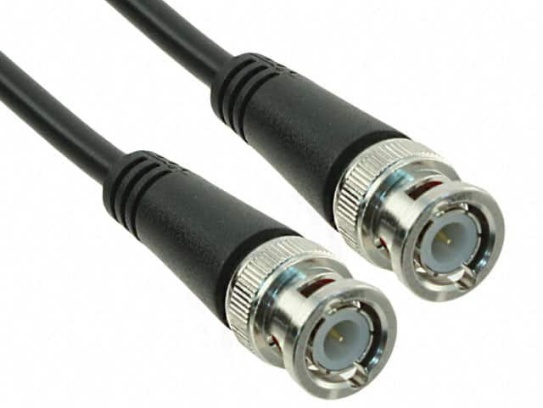
IntroductionIn today’s fast-paced digital world, reliable and high-speed data transmission is critical for industries ranging from telecommunications to aerospace. Enter High-Speed Data Micro-Coax—a cutting-edge miniature coaxial cable e.
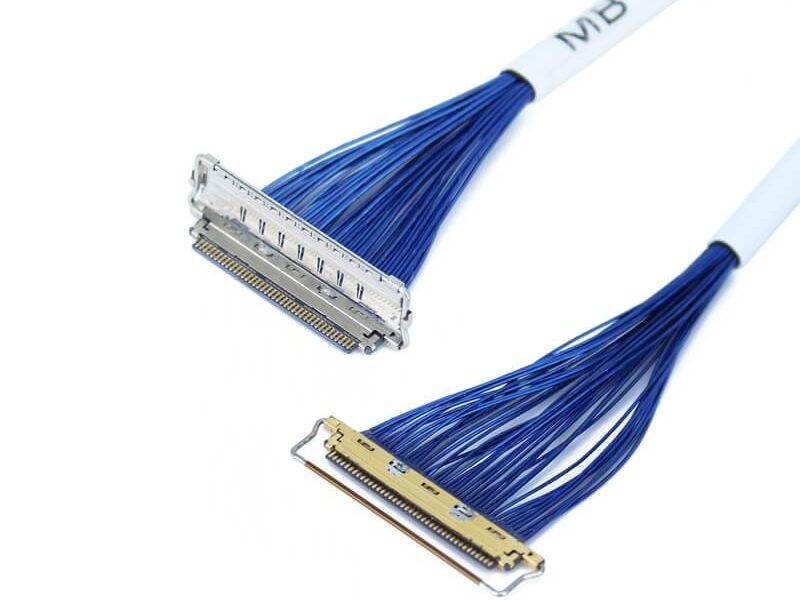
In LVDS (Low Voltage Differential Signaling) display systems, Micro-coaxial Cable (also referred to as Micro Coax Cable) stands out as an optimal solution for high-resolution, high-reliability signal transmission. Designed to meet the str.
Feel free to reach out to us for any inquiries or orders