When designing thin, high-performance electronics, the micro coaxial cable with I-PEX 20373 connectoris a critical solution for routing high-speed differential signals like LVDS, eDP, and MIPI in ultra-compact spaces. This guide explains what it is, its key specifications, how to choose the right one, and where it’s used.
What is a Micro Coaxial Cable with I-PEX 20373 Connector?
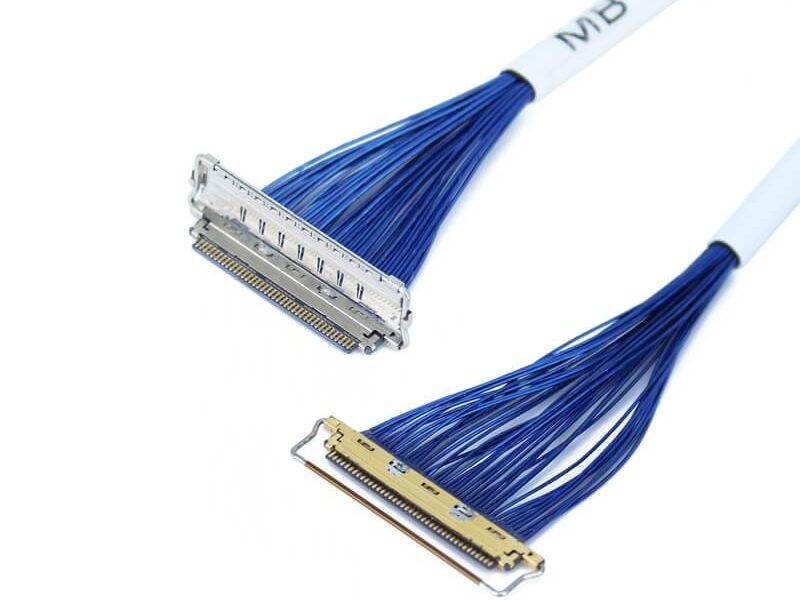
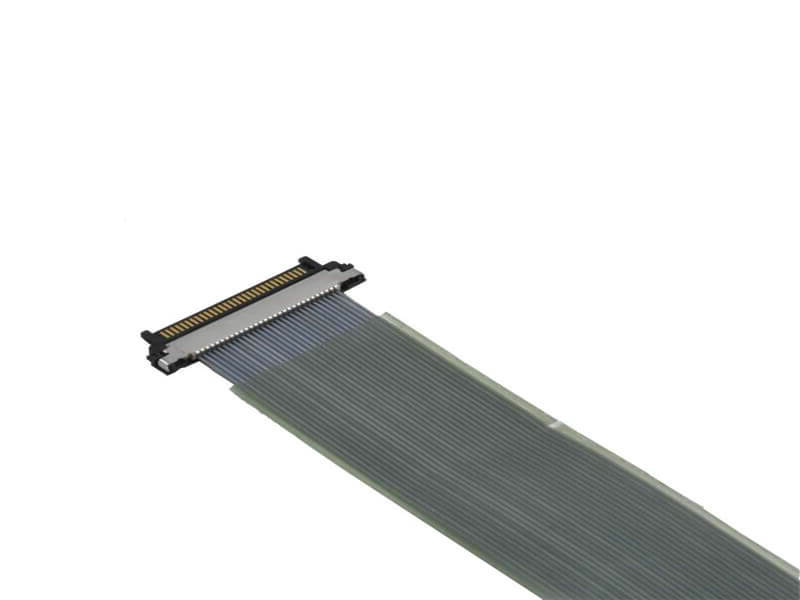
This assembly combines a fine coaxial cable with an I-PEX CABLINE®-SS/20373 series connector. It’s designed to carry high-speed, low-voltage differential signals (e.g., video, camera, sensor data) in devices where space is extremely limited.
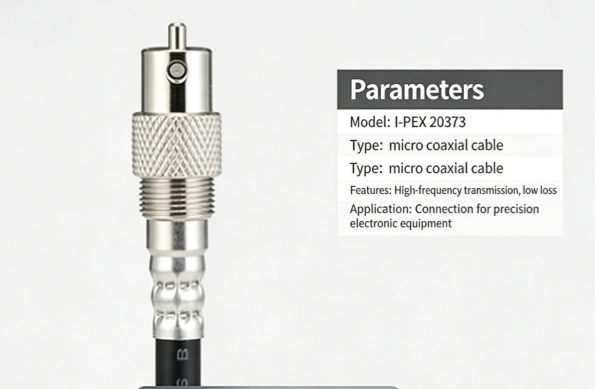
- Micro Coaxial Cable:Comprises a center conductor, dielectric, shield, and jacket. It’s chosen for its excellent high-frequency performance, controlled impedance, and low loss, outperforming standard wires in dense designs.
- I-PEX 20373 Connector:A 0.4 mm pitch, ultra-slim vertical plug with a W-point contact design for high reliability. It’s a standard in the industry for internal high-speed links in laptops, tablets, and medical devices.
I-PEX 20373 Series: Key Specifications
The 20373 series is defined by its compact, robust design and high-density capabilities.
Connector Specifications
- Series:I-PEX CABLINE®-SS / 20373 series
- Pitch:0.4 mm
- Mating Height:~1.85 mm max (1.65 mm nominal)
- Width/Depth:~3.0 mm wide, ~3.0 mm deep
- Pin Count:10, 14, 20, 30, 32, 35, 40, 50
- Current Rating:~1.0 A per pin (varies with wire gauge)
- Design:Vertical plug, horizontal cable exit. Features a W-point dual contact for strong retention and vibration resistance.
Compatible Cable Types
- Micro-Coaxial Cable:AWG 38, 40, 42, 44, 46
- Discrete Wire:AWG 34, 36, 38, 39, 40, 42, 44, 46
- Impedance:Typically 50 Ω, ideal for high-speed differential pairs.
Common Series Part Numbers
- Plug Housings:
20373-R10T-06(10-pin) to 20373-R50T-06(50-pin).
- Cable Plugs:
20380-R10T-06to 20380-R50T-06.
- Receptacles (PCB Mount):
20374-R10E-31to 20374-R50E-31.
- Metal Covers:
2182-010-03to 2182-050-04.
Performance: Speed and Signal Integrity
This cable assembly is built for high-bandwidth applications, supporting data rates of several Gbps per lane.
- Supported Interfaces:
- eDP:HBR2 / HBR3 (up to 8.1 Gbps per lane)
- LVDS / Mini-LVDS:For LCD panels and camera links
- MIPI CSI-2 / DSI:Camera and display serial interfaces
- USB 3.1 Gen1:5 Gbps
- HDMI 2.0:Up to 6 Gbps per differential pair
- V-by-One HS:High-resolution display links
- Signal Integrity Factors:
- Controlled Impedance:Maintains 50 Ω impedance to minimize reflections.
- Shielding:Multi-layer shielding (foil + braid) provides excellent EMI protection.
- Insertion Loss:Increases with frequency and cable length; balance is key.
- Return Loss & Crosstalk:Proper shielding and cable management are vital for multi-lane signals.
Ideal Applications
Its defining characteristics—ultra-low profile, high density, and high-speed capability—make it perfect for devices where space is at a premium.
- Laptops & Tablets:Internal display (eDP/LVDS) and camera (MIPI) connections.
- Automotive:Infotainment displays, instrument clusters, and camera systems.
- Medical Devices:Monitors, ultrasound machines, and endoscopy systems where EMI immunity is critical.
- Industrial & Test Equipment:High-resolution imaging systems and machine vision cameras.
- Consumer Electronics:VR/AR headsets, high-end monitors, and projectors.
How to Choose the Right Assembly
Selecting the correct assembly involves a systematic approach:
- Define Electrical Requirements:Determine the interface standard (eDP, LVDS, etc.), required data rate, and number of lanes to establish impedance and performance needs.
- Match the Connector:Based on your PCB layout, choose the appropriate I-PEX 20373 part number (e.g.,
20373-R20T-06for 20 pins) and receptacle.
- Select the Cable:Choose the AWG size. AWG 42/44/46are common for tight spaces, while AWG 38/40are used for longer runs or higher current. Ensure the cable’s impedance is 50 Ω.
- Determine Length & Routing:Keep cable lengths as short as possible. Plan the routing to avoid tight bends (>90°), which can degrade signal quality.
- Plan the Assembly Process:Micro-coax assembly is complex. Decide between manual, semi-automated, or fully automated manufacturing, considering your production volume.
Sourcing and Customization
For prototyping or large-scale production, you have several options:
- Component Distributors:Purchase connectors and cables separately.
- Cable Assembly Manufacturers:Provide your schematic or sample to get a custom quote. Many offer services from quick-turn prototypes to full-scale production with testing and compliance documentation.
When selecting a partner, prioritize suppliers with:
- Proven experience in micro-coax and I-PEX assemblies.
- Access to quality-controlled raw materials.
- In-house testing capabilities (e.g., continuity, hipot, impedance).
- Flexibility for low-volume prototyping and high-volume manufacturing.