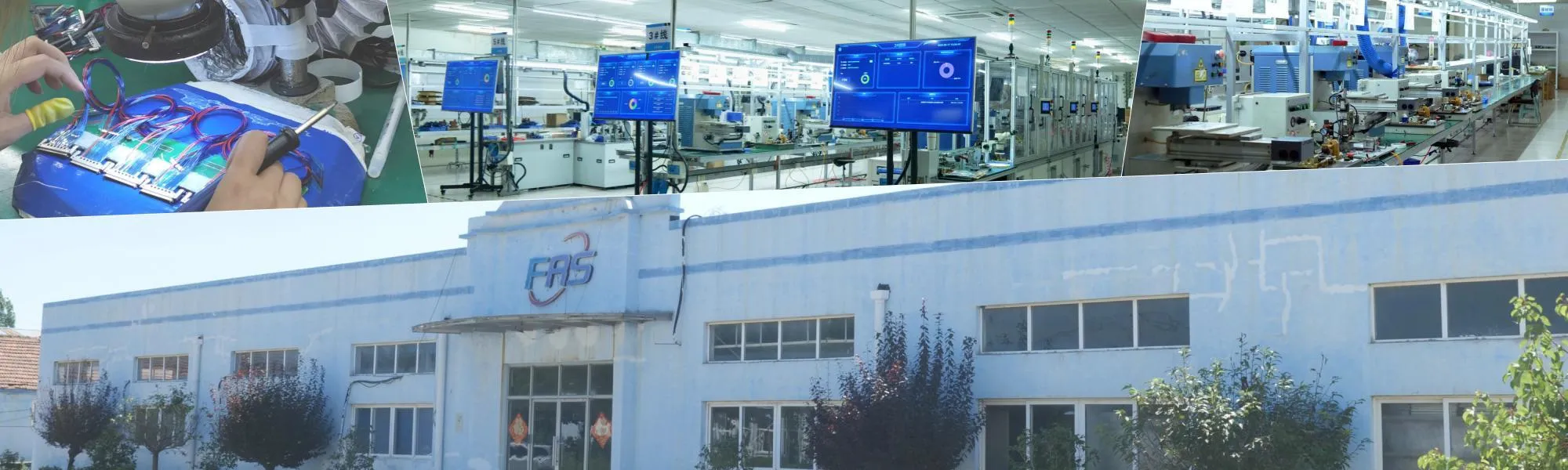
Micro Coaxial Cable-Micro Coaxial Cable factory-(FRS)-FRS
Inner Conductor: Made of high-purity copper or silver-plated copper for optimal conductivity.
Dielectric Layer: A solid polytetrafluoroethylene (PTFE) or extruded foam dielectric ensures minimal signal loss and stable impedance.
Outer Conductor: A seamless tubular shield of solid copper (or aluminum) provides exceptional shielding effectiveness (typically >100 dB). Unlike braided shields, this solid-metal outer layer eliminates gaps, ensuring near-perfect EMI/RFI protection.
Outer Jacket: Often omitted due to the rigidity of the outer conductor. When included, it may feature a protective coating (e.g., gold or nickel plating) for corrosion resistance.
2. Key Electrical and Mechanical Properties
Impedance: Standard 50Ω (common in RF/microwave systems) or 75Ω (for specialized video applications).
Frequency Range: Operates effectively from DC to 40 GHz or higher, depending on cable diameter and dielectric.
Low Signal Loss: Attenuation as low as 0.1 dB/ft at 10 GHz (varies with cable size and materials).
Phase Stability: Minimal phase shift under temperature fluctuations, critical for phased-array systems.
Shielding Effectiveness: Exceeds 120 dB due to the solid outer conductor, virtually eliminating interference.
Bend Radius: Once shaped, the cable retains its form permanently. Pre-bent configurations are common for complex installations.
3. Advantages of Semi-Rigid Coaxial Cable
Superior Electrical Performance: Ideal for high-frequency applications requiring minimal loss and reflection.
EMI Immunity: Solid outer conductor blocks external noise and prevents signal leakage.
Durability: Resists vibration, mechanical stress, and extreme temperatures (-55°C to +200°C for PTFE dielectric).
Repeatability: Stable electrical characteristics ensure consistent performance in mass-produced systems.
Long Lifespan: No degradation from flexing or environmental exposure when installed correctly.
4. Common Applications
Aerospace and Defense: Radar systems, satellite communications, avionics, and missile guidance.
Telecommunications: High-frequency microwave links, base stations, and 5G infrastructure.
Medical Equipment: MRI machines, RF ablation devices, and diagnostic instruments.
Test and Measurement: Precision RF testing, vector network analyzers (VNAs), and calibration standards.
Quantum Computing: Low-loss interconnects for superconducting circuits.
5. Comparison with Other Coaxial Cable Types
Feature Semi-Rigid Cable Flexible Cable Semi-Flexible Cable
Shielding Solid metal tube (100% coverage) Braided + foil (90-95% coverage) Braided + foil (95-98% coverage)
Bendability Fixed shape after installation Reusable bends Limited flexibility, holds shape temporarily
Frequency Range DC to 40+ GHz DC to 18 GHz DC to 26 GHz
Attenuation Lowest Moderate Low
Cost High Low to moderate Moderate to high
6. Limitations and Considerations
Installation Complexity: Requires precise shaping during assembly; cannot be adjusted post-installation.
Cost: Higher material and manufacturing expenses compared to flexible alternatives.
Weight: Heavier than flexible cables due to the solid-metal outer conductor.
Thermal Management: Limited flexibility to accommodate thermal expansion in some environments.
7. Selection Guidelines
Frequency Needs: Choose smaller diameters (e.g., 0.047″ or 0.086″) for higher frequencies.
Material Compatibility: Opt for silver-plated conductors and PTFE dielectric for extreme temperatures.
Connector Compatibility: Use connectors rated for semi-rigid interfaces (e.g., SMA, 2.92 mm, or K connectors).
Custom Fabrication: Work with manufacturers to pre-form cables to specific geometries.
8. Leading Manufacturers
Times Microwave Systems: Renowned for high-performance RF solutions.
Huber+Suhner: Offers custom semi-rigid designs for aerospace and telecom.
Pasternack: Provides off-the-shelf and tailored semi-rigid cables.
Gore: Specializes in high-frequency, low-loss variants.
Our factory offers high-quality products at competitive prices
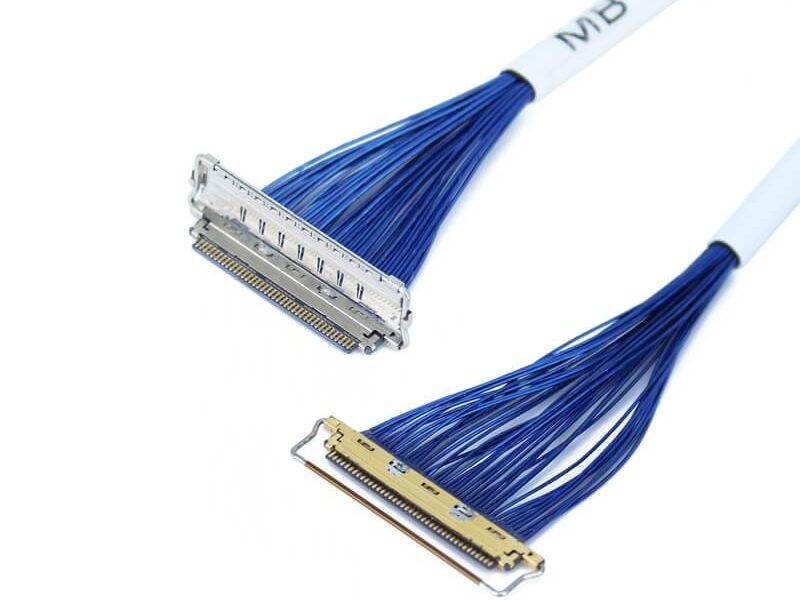
In LVDS (Low Voltage Differential Signaling) display systems, Micro-coaxial Cable (also referred to as Micro Coax Cable) stands out as an optimal solution for high-resolution, high-reliability signal transmission. Designed to meet the str.
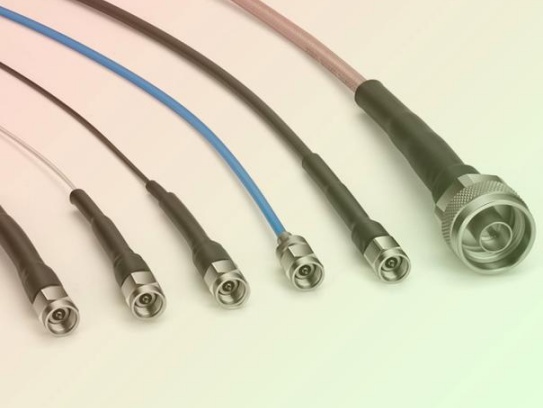
H1: Precision Instrument Micro-Coax – Engineered for Critical Signal Integrity Meta Description: Discover Precision Instrument Micro-Coax: Miniature coaxial cable solution optimized for high-frequency signal transmissio.
Feel free to reach out to us for any inquiries or orders