
Micro Coaxial Cable-Micro Coaxial Cable factory-(FRS)-FRS
Overview and definition
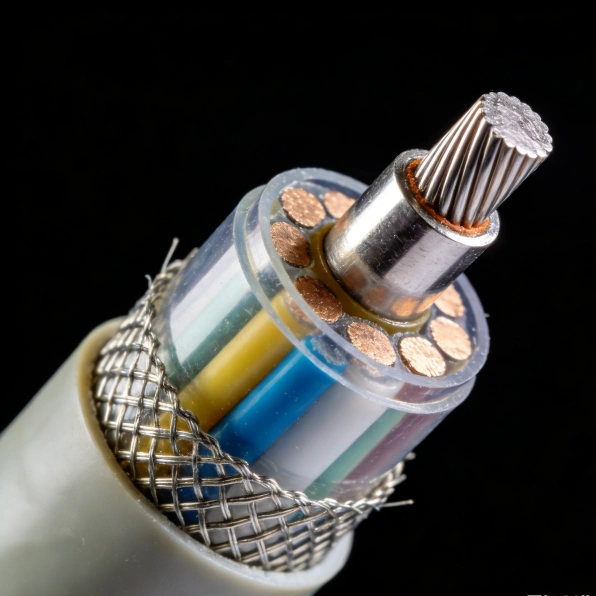
Medical grade micro coaxial cable for ultrasound probes is a highly miniaturized, high‑density interconnect that carries high‑frequency ultrasound signals between the probe’s piezoelectric array and the imaging system. It is built as a bundle of dozens to hundreds of individually shielded micro‑coaxes, each preserving a controlled characteristic impedance to minimize signal loss and crosstalk in a very small cross‑section. Typical configurations range from about 130 to 266 micro coaxes, with common conductor sizes of 42–44 AWGand even down to 46 AWGfor ultra‑fine endoscopic probes. These cables are engineered for the demanding mechanical and electrical environment of handheld and cart‑based ultrasound, often with stringent biocompatibilityand flexibilityrequirements and, in many designs, silver‑plated copper alloyconductors for lower resistance and stable transmission. The industry also offers integrated subassemblies and connectors purpose‑built for imaging systems, reflecting the maturity and specialization of this segment
Why it matters in ultrasound imaging
In an ultrasound probe, each element in the array must be driven and its echo received with high fidelity. The micro coax bundle acts as a parallel set of ultra‑low‑loss transmission lines: preserving impedance, reducing attenuation, and maintaining consistent phase and amplitude across channels is essential for image clarity, resolution, and signal‑to‑noise ratio. Because these cables are repeatedly flexed and twisted during exams, materials and construction must balance flex life, EMI shielding, and mechanical robustnesswhile keeping the probe ergonomic. For high‑frequency imaging, where cable attenuation and phase distortion become more pronounced, the choice of micro‑coax parameters (such as AWG, dielectric, and shielding) is tightly coupled to the probe’s operating band and image quality targets
How it differs from standard coax
Compared with general‑purpose coax used in RF, test, or broadcast, medical probe micro coax is optimized for miniature size, ultra‑high channel count, and dynamic flexing in close proximity to the patient. Typical differences include: much smaller AWG(e.g., 42–46 AWGvs. 30–24 AWG), a much higher core countin a single bundle (tens to hundreds), construction that often keeps individual micro coaxes from being stranded in the bundle to preserve impedance and reduce microphonics, tight impedance controlfor high‑frequency integrity, enhanced shieldingfor EMI immunity in clinical environments, and medical‑gradematerial and process controls (e.g., biocompatible jacketing, stringent lot‑to‑lot consistency). Standard coax, by contrast, is typically larger in diameter, lower in core count, and not optimized for millions of small‑radius flex cycles or the ergonomic constraints of handheld probes
Core design parameters and how to choose
Real‑world configurations and examples
Below are representative constructions to illustrate the variety and trade‑offs in probe micro coax design. These examples are from production catalogs and are not exhaustive; they show how core count, AWG, capacitance, and OD interrelate in practice.
| Specification | Capacitance | OD | Notes |
|---|---|---|---|
| 200C × 42AWG + 4C × 30AWG | 50 pF/m | 9.60 ± 0.40 mm | High‑density imaging probe bundle |
| 198C × 42AWG | 60 pF/m | 8.3 ± 0.30 mm | Common in high‑frequency probe designs |
| 138C × 42AWG + 8C × 30AWG | 110 pF/m | 6.6 ± 0.30 mm | Compact designs with mixed AWG |
| 130C × 42AWG | 60 pF/m | 7.0 ± 0.30 mm | Balance of size and flexibility |
| 198C × 44AWG | 60 pF/m | 8.3 ± 0.30 mm | Finer conductor for tighter packing |
| 70C × 38AWG | 110 pF/m | — | Larger conductor for lower resistance paths |
These illustrate typical capacitance targets (~50–60 pF/m, with some ~110 pF/mdesigns), a range of AWG 38–44, and finished ODs from ~6.6 to ~9.6 mmdepending on core count and application. Compatibility lists from manufacturers often include GEand Mindrayconfigurations, reflecting common industry platforms
Connector and system integration trends
As ultrasound systems evolve, so does the interconnect. High‑density, low‑profile connectors such as ZIFand board‑to‑wire interposers (e.g., TC‑ZIFwith up to 260 pinsand 20,000 mating cycles, MP456Pimaging I/O) enable smaller, more reliable probe heads and faster time‑to‑market. New digital ultrasoundarchitectures move some of the signal conditioning into the probe or system, allowing hybrid high‑bandwidth links and advanced thermal management; this can relax some constraints on the cable while emphasizing overall system signal integrity and ergonomics. Leading suppliers also offer fine‑wire and fine‑pitch terminationexpertise and complete probe assemblies, reflecting the industry’s shift toward integrated, application‑engineered solutions
Engineering insights and best practices
Our factory offers high-quality products at competitive prices
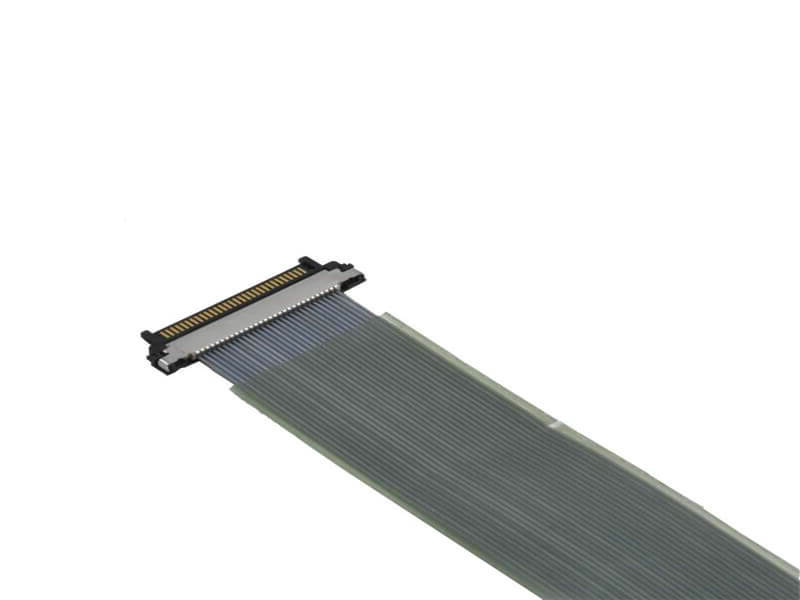
KEL’s Micro Coaxial Cable solutions are at the forefront of modern electronic connectivity, offering exceptional performance in high-speed data transmission, miniaturization, and reliability. These connectors are integral to various.
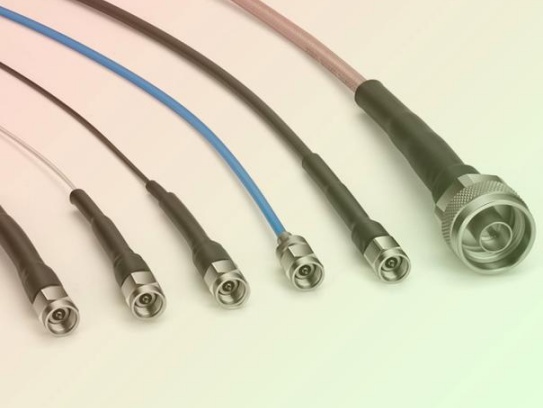
H1: Precision Instrument Micro-Coax – Engineered for Critical Signal Integrity Meta Description: Discover Precision Instrument Micro-Coax: Miniature coaxial cable solution optimized for high-frequency signal transmissio.
Feel free to reach out to us for any inquiries or orders